
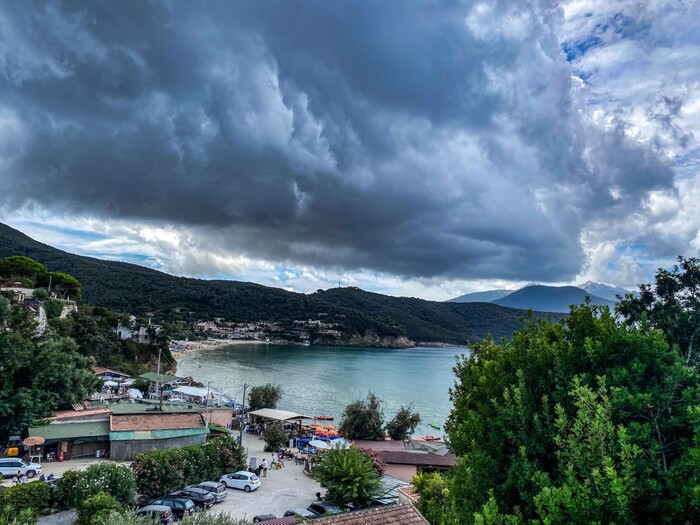
The Blue Economy is a rapidly growing sector that encompasses all economic activities related to the sea. As a strategic pillar for Italy, it represents a significant contributor to the country’s economy, worth approximately €70 billion and employing over 400,000 people.
What is the Blue Economy?
In simple terms, the Blue Economy is an economic system that utilizes the ocean’s resources in a sustainable way. It encompasses various industries such as traditional activities like fishing, aquaculture, maritime transport, and coastal tourism, as well as emerging sectors like marine renewable energies and blue biotechnology.
Italy’s Position in the Blue Economy
With over 7,500 kilometers of coastline, Italy has tremendous potential to become a global leader in the Blue Economy. The country can leverage its marine resources while maintaining environmental sustainability. Italy is already making significant strides in this field, with regions like Liguria and Sicily standing out for their success.
Traditional Activities and Emerging Sectors
The Blue Economy sector includes traditional activities such as:
- Fishing: A crucial industry that provides a source of income for many communities.
- Aquaculture: The cultivation of fish and other aquatic species, which can be an efficient way to produce food.
- Maritime Transport: An essential component of the global economy, with Italy’s ports playing a significant role in international trade.
Emerging sectors include:
- Marine Renewable Energies: Harnessing energy from ocean currents, waves, and tides to power coastal communities.
- Blue Biotechnology: Developing innovative products and technologies from marine resources, such as seaweed and other aquatic organisms.
Regional Success Stories
Liguria and Sicily are two regions that have achieved notable success in the Blue Economy. Liguria’s coastal towns generate €5 billion annually, while Sicily’s tourism industry contributes €4.5 billion to the national economy. These figures demonstrate the potential for growth and development within this sector.
Comparison with Other European Countries
Italy, along with Spain and Greece, is among the top European countries in terms of employment in the tourism and fishing industries. This highlights the importance of these sectors for Italy’s economy.
The Future of the Blue Economy
As the global population continues to grow, there will be an increasing demand for sustainable food sources, renewable energy, and innovative technologies. The Blue Economy offers a promising solution by leveraging the ocean’s resources while maintaining environmental sustainability.
In conclusion, the Blue Economy is a vital sector that holds significant potential for Italy’s economic growth. By embracing traditional activities and emerging sectors, regions like Liguria and Sicily are already reaping benefits from this trend. As the world moves towards more sustainable development, the Blue Economy will play an increasingly important role in powering coastal communities while protecting the marine environment.
Frequently Asked Questions
- What is the main purpose of the Blue Economy?
- The Blue Economy aims to utilize ocean resources sustainably for economic growth and environmental protection.
- Which regions in Italy are leading in the Blue Economy?
- Liguria and Sicily have achieved notable success, with annual contributions of €5 billion and €4.5 billion respectively.
- What traditional activities are included in the Blue Economy?
- Fishing, aquaculture, maritime transport, and coastal tourism are among the traditional activities within this sector.
- Which emerging sectors are part of the Blue Economy?
- Marine renewable energies and blue biotechnology are examples of innovative technologies developed from marine resources.
- How does Italy compare to other European countries in terms of employment in the Blue Economy?
- Italy, along with Spain and Greece, is among the top European countries in terms of employment in tourism and fishing industries.
- What role will the Blue Economy play in the future of sustainable development?
- The Blue Economy will become increasingly important as a source of sustainable food, renewable energy, and innovative technologies for coastal communities.
- Can the Blue Economy be used to address environmental concerns?
- Yes, by adopting sustainable practices and developing eco-friendly products, the Blue Economy can help mitigate environmental impacts while generating economic benefits.
- How can individuals contribute to the growth of the Blue Economy?
- By promoting sustainable tourism practices, supporting local businesses that use marine resources responsibly, and advocating for environmental protection policies.
Conclusion
The Blue Economy is a vital sector that holds significant potential for Italy’s economic growth. By embracing traditional activities and emerging sectors, regions like Liguria and Sicily are already reaping benefits from this trend. As the world moves towards more sustainable development, the Blue Economy will play an increasingly important role in powering coastal communities while protecting the marine environment.
Regional Opportunities for Growth
Liguria and Sicily offer a wealth of opportunities for growth within the Blue Economy sector. These regions have a strong tradition of fishing, aquaculture, and maritime transport, making them well-positioned to benefit from emerging sectors like marine renewable energies and blue biotechnology.
Investing in the Blue Economy
Investing in the Blue Economy can provide significant returns on investment while contributing to sustainable development. This includes supporting local businesses that use marine resources responsibly, promoting sustainable tourism practices, and advocating for environmental protection policies.
Challenges Ahead
Despite its potential, the Blue Economy sector faces several challenges, including overfishing, pollution, and climate change. Addressing these concerns will require a concerted effort from policymakers, business leaders, and individuals to ensure the long-term sustainability of this sector.
By working together to address these challenges and leverage the opportunities presented by the Blue Economy, Italy can position itself for success in the years ahead.


