
A clogged drain is always a big problem: it generates bad odors, prevents water from flowing, and creates poor hygiene conditions. Whether you’re dealing with a slow drain or a complete blockage, it can be frustrating and time-consuming to resolve the issue.
However, before calling a plumber, consider trying one of six effective systems for clearing clogged drains. In this article, we’ll explore each method in detail, including tips, tricks, and recommendations for tools and products.
Understanding the Problem of a Clogged Drain
Clogs can occur due to various reasons such as:
- Hair accumulation
- Soap scum buildup
- Grease and oil spills
- Food particles
- Mineral deposits
The severity of the clog depends on the material that has accumulated in the pipe, which may be organic or inorganic. In some cases, it’s possible to remove a minor blockage without professional help.
Why Don’t We Always Need to Call an Plumber?
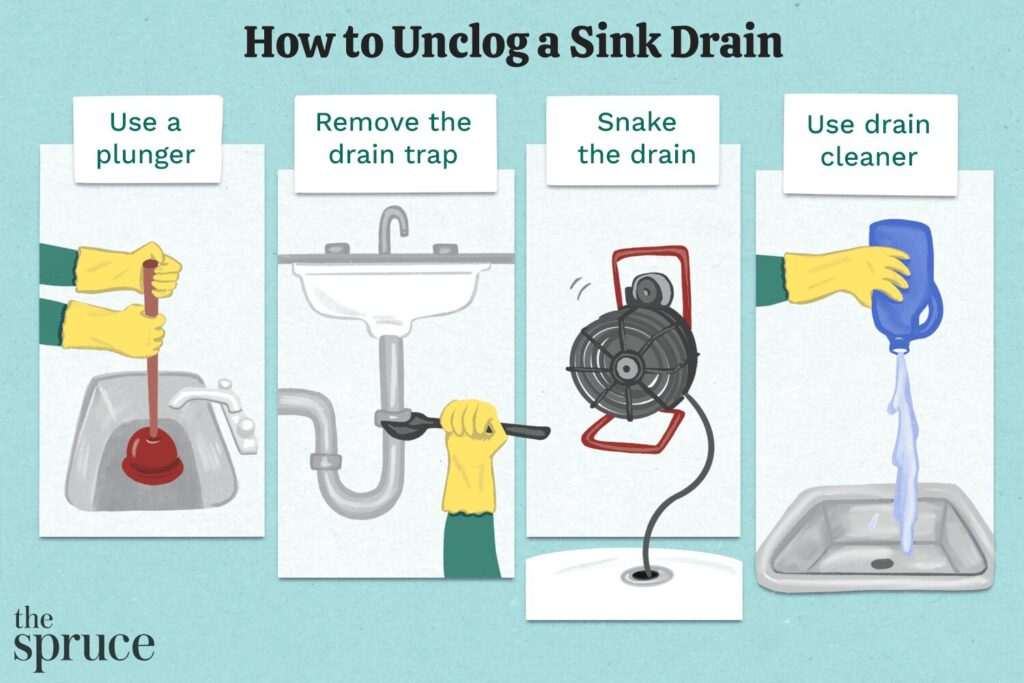
It’s not always necessary to call a plumber to fix your drained pipes. You can try fixing the issue yourself using one of six effective systems:
- Liquid disgorgants
- Using a plunger
- Working with sinks
- Using a suction pipe
- Employing chemical products for unclogging drains
- Utilizing drain snakes
However, when dealing with stubborn clogs or complex plumbing issues, it’s best to consult a professional plumber.
Contents
1. Understanding Liquid Disgorgants
Liquid disgorgants are special products based on soda caustic that dissolve the material accumulated in the pipe, causing the blockage. These products are highly corrosive and harmful to human health and the environment, so we strongly advise against using them.
However, there is a “softer” approach: making your own mixture of disgorgants. For more information on recipes, please visit our article on How to Unclog a Sink.
Recipe for DIY Disgorgant:
- 1/2 cup baking soda
- 1 cup white vinegar
Mix the ingredients together in a bowl and pour them down the clogged drain. Let it sit for a few hours before rinsing with hot water.
2. Using a Plunger
The classic plunger with vacuum is much more effective than you might think. Today’s plungers have become easier to use, with ergonomic handles and comfortable grips.
Before using a plunger, make sure the vent hose is securely attached to the pipe. This ensures that water flows freely into the drain while you’re plugging it.
Tips for Effective Plungering:
- Use plenty of force to create suction
- Make sure the plunger is seated properly on the drain cover
- Check for any airlocks in the pipes before plunging
Plungers are accessories that we recommend keeping in your home, so they can be used as soon as you notice signs of a clogged drain.
Link: Plunger on Amazon ($15.39 with free shipping)
3. Working with Sinks
Generally, blockages accumulate near the sink trap (trappo), just below the sink. If the obstruction is severe, you can open the trap by unscrewing its lower part.
If the trap is very tightly clogged, you may need a wrench. During this operation, keep the exposed pipes firm to prevent movement.
Additional Reading: How to Unclog Your Shower with Baking Soda and Vinegar
4. Using a Suction Pipe
If the blockage is located in a less accessible area, you can use a suction pipe. The suction pipe is made of a flexible wire or thin metal thread. This type of pipe is useful for removing difficult-to-reach blockages.
How to Use a Suction Pipe:
Insert the suction pipe into the clogged drain. If the obstruction is far away from the sink trap, you’ll need to use a lot of hose length.
Flexible pipes with spiral are more effective as they can move using an attached handle.
Flexible pipes for cleaning tubes and drains are available at hardware stores or plumbing suppliers. Choose a product that’s sturdy and high-quality to avoid breaking during use.
Recommended Product: 10-meter Drain Cleaning Pipe with Handle ($17.91 with free shipping)
5. Chemical Products
Chemical products can be effective in clearing clogs, but they often come with risks of damage to pipes or harm to the environment.
Before using chemical products, make sure you have a clear understanding of their ingredients and potential effects on your plumbing system.
Link: Drain Cleaning Chemicals on Amazon ($14.95 with free shipping)
6. Drain Snakes
Drain snakes are long, flexible rods that can be inserted into clogged drains to remove blockages. They come in different sizes and materials, so choose the right one for your specific needs.
Tips for Using a Drain Snake:
- Insert the snake slowly and carefully
- Use the handle attached to the end of the snake to guide it through tight spaces
Drain snakes are essential tools for unclogging pipes, but they may not work for all types of clogs.
7. Preventing Future Clogs
Preventing future clogs in your plumbing system requires regular maintenance and monitoring.
Tips for Preventing Clogs:
- Regularly check your water flow
- Clean up any debris that may be accumulating in your pipes
- Use a drain screen or filter to catch hair and other particles
By following these tips, you can reduce the risk of future clogs and keep your plumbing system running smoothly.
Frequently Asked Questions (FAQs)
- How often should I use liquid disgorgants?
We strongly advise against using them due to their potential harm to human health and the environment.
- Can a plunger be used on all types of drains?
The effectiveness of a plunger depends on the type of drain and the blockage. For example, plungers may not work well with older pipes or those with complex layouts.
- How do I know if my sink trap is clogged?
If your water is slow or there’s a foul odor, it may indicate that your sink trap needs to be cleared.
- What are the best tools for cleaning drains?
A plunger, suction pipe, and drain snake are essential tools for unclogging pipes. For specific product recommendations, please visit our website.
- How do I prevent future clogs in my plumbing system?
Regularly check your water flow, clean up debris, and use a drain screen or filter to catch hair and other particles.
- Can you share some DIY recipes for making your own mixture of disgorgants?
Please visit our article on How to Unclog a Sink for more information on DIY remedies.
- How often should I clean my drain trap?
Regularly cleaning your sink trap will help prevent clogs and keep your plumbing system running smoothly.
- Can you recommend some products for unclogging drains?
We recommend using a plunger, suction pipe, or a drain snake to clear blockages in your pipes. For specific product recommendations, please visit our website.
By following these steps and tips, you can effectively clear clogged drains and maintain a healthy plumbing system. Remember to stay safe while working with potentially hazardous materials and tools, and don’t hesitate to seek professional help if the issue persists or becomes complex.


