
As we go about our daily lives, our actions can have a significant impact on the environment. One often-overlooked aspect is our laundry habits. It’s not about hand-washing clothes, but rather using washing machines in a way that minimizes harm to the planet.
We’re not asking you to wash every article of clothing by hand; we just want to encourage you to use your washing machine wisely and sustainably. By making small changes to your daily laundry routine, you can significantly reduce your ecological footprint.
The Power of Small Changes
Our daily actions can be made with minimal environmental impact. The first step is to understand what adjustments can be made to reduce our ecological footprint, even in the most mundane tasks like doing laundry.
For instance, using eco-friendly detergent and adding natural additives can make a significant difference. In this article, we’ll explore some simple yet effective ways to make your laundry more sustainable.
Using Eco-Friendly Detergent: The Marsiglia Soap
Instead of using traditional detergent, consider using Marsiglia soap. This biodegradable soap has several benefits, including being gentle on clothes and the environment. Avoid using grated or creamy soap, as it can stick to your clothes or the washing machine. Opt for Marsiglia soap in patty form instead – two patties are sufficient for five kilograms of laundry.
Marsiglia soap is a popular choice among environmentally conscious consumers due to its unique properties:
- Biodegradable: Marsiglia soap breaks down quickly and naturally, reducing the risk of pollution.
- Gentle on clothes: It’s designed to clean without damaging or discoloring fabrics.
- Effective cleaning power: Two patties are enough for five kilograms of laundry.
Savvy Soap Use
To ensure optimal performance, place the soap patties inside a mesh screen or old nylon stockings. This prevents them from clinging to your clothes. You can also add two tennis balls to increase friction and boost cleaning power.
The science behind this hack is simple: tennis balls create friction between the detergent patty and fabric, allowing for better cleaning.
Adding a Touch of Alchemy: Bicarbonate and Salt
In addition to the Marsiglia soap, include two tablespoons of baking soda (sodium bicarbonate) to soften the water and create an alkaline environment for the soap to work effectively. Two tablespoons of kosher salt can also be added to prevent excessive foam formation.
The chemistry behind this combination is fascinating:
- Baking soda: Softens water and creates a natural buffer, allowing the soap to work more efficiently.
- Salt: Prevents foam buildup by reducing the amount of suds produced during the wash cycle.
Whiter Whites
For whitening clothes, especially those that are not colored, you can add two tablespoons of oxygen-based carbon (sodium carbonate peroxide) or 40-volume oxygenated water. Both options can be found in most supermarkets or specialty stores. Remember to include a pinch of salt to control foam buildup.
The science behind this hack is straightforward:
- Oxygen-based carbon: Releases oxygen ions that help break down dirt and stains.
- Oxygenated water: Boosts the effectiveness of the washing machine’s cleaning cycle.
The Acidity Solution
Instead of using fabric softeners, consider using white wine vinegar or apple cider vinegar as an alternative. Not only do these help soften fabrics but also neutralize odors and residue left behind by detergent.
The chemistry behind this hack is interesting:
- Vinegar: A natural acid that helps balance the pH level of the wash water.
- Odor neutralization: The acidity in vinegar effectively eliminates unpleasant smells.
Don’t Overload the Detergent
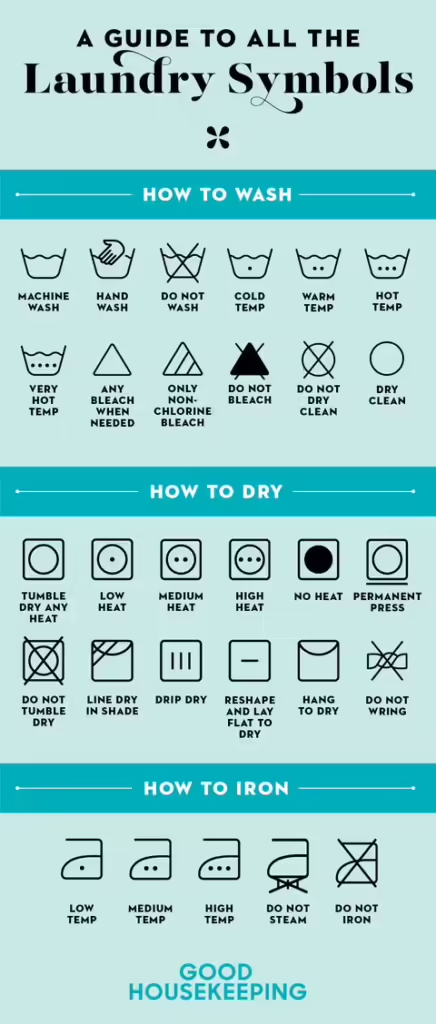
A crucial rule: don’t overuse detergent! Too much detergent can’t dissolve and won’t effectively clean your clothes, leading to a less-than-stellar result. Also, be mindful of high temperatures for colored clothing – it can cause damage and save you money on your electricity bill.
Frequently Asked Questions
- What’s the best way to wash clothes while being eco-friendly?
Start by using the Marsiglia soap in patty form, adding two tablespoons of baking soda and kosher salt to optimize cleaning power. - Why is it recommended not to use too much detergent?
Using excessive detergent can’t dissolve properly, resulting in subpar cleaning performance. - Can I use oxygen-based carbon for all types of laundry?
While oxygen-based carbon works well for some colors, always check the specific instructions before using it on colored or delicate items. - Is using vinegar instead of fabric softeners a viable alternative?
Yes, white wine vinegar and apple cider vinegar can be used as an eco-friendly substitute for fabric softeners, offering benefits like softened fabrics and odor neutralization. - How often should I use the Marsiglia soap?
Two patties per five kilograms of laundry is sufficient – don’t overdo it to avoid wastage and environmental impact. - Can I add extra tennis balls to enhance cleaning power?
Adding two or more tennis balls can increase friction, boosting cleaning performance for your clothes. - Are there any specific temperatures that should be avoided when washing colored clothing?
Yes, temperatures above 30°C (86°F) can cause damage to colored fabrics; reduce temperature to prevent unnecessary wear and tear. - What are the best alternatives to fabric softeners?
Consider using white wine vinegar or apple cider vinegar as a natural alternative to fabric softeners for softer, fresher-smelling clothes.
By incorporating these simple tips into your daily laundry routine, you can significantly reduce your ecological footprint. Remember, every small change counts, and making sustainable choices will have a lasting impact on our planet’s well-being.


