
Introduction
If you’re a gardening enthusiast or a foodie looking for new ingredients to add to your recipes, you’ve probably heard of the star grass (Erba Stella). This annual herb is native to Italy and has been used for centuries in traditional medicine and cooking. In this article, we’ll delve into the world of star grass, exploring its history, cultivation, uses, and benefits.
What is Star Grass?
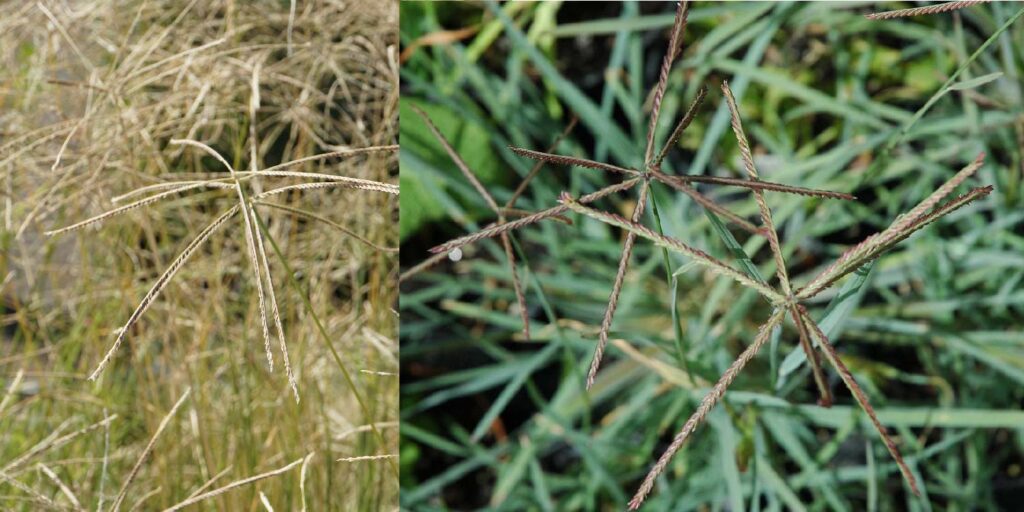
Star grass (Erba Stella) is a member of the Plantaginaceae family and is characterized by its narrow, divided, and fringed leaves that form a rosette at the base of the plant. It’s a low-maintenance herb that can thrive in various conditions and is often found growing wild in Italy’s prairies, fields, and coastal areas.
Growing Star Grass
While star grass can be found growing wild, you can also cultivate it in your garden or indoor space. To grow star grass, follow these steps:
- Sowing: Sow seeds in the spring, about 1-2 cm deep, in well-draining soil with a slightly acidic pH.
- Watering: Water the soil gently but thoroughly after sowing. Keep the soil consistently moist during the first few weeks after germination.
- Pruning: Prune the plant regularly to encourage bushy growth and prevent it from flowering.
Irrigating Star Grass
Star grass is a drought-tolerant herb, but it still requires regular watering, especially during hot summer months. To irrigate your star grass, follow these tips:
- Watering frequency: Water every 7-10 days during the growing season (spring and summer).
- Soil moisture: Check the soil moisture by inserting a finger into the soil up to the knuckle. If the soil feels dry, it’s time to water.
- Avoid overwatering: Avoid watering the leaves, as this can lead to fungal diseases.
Using Star Grass in Cooking
Star grass is a versatile herb that can be used in various dishes, from salads to soups and sauces. Here are some ways to use star grass:
- Salads: Add fresh star grass leaves to salads for a burst of flavor and freshness.
- Infusions: Make an infusion by steeping the leaves in hot water to create a soothing tea.
- Condiments: Use dried star grass as a condiment to add flavor to soups, stews, and sauces.
The Health Benefits of Star Grass
Star grass is not only delicious but also packed with nutrients. The herb contains vitamins A, C, and K, as well as minerals like calcium and iron. It’s also rich in tannins, pectin, and mucilages, making it a great addition to a healthy diet.
Common Questions About Star Grass
Here are some frequently asked questions about star grass:
Q: What is the difference between star grass and lemon balm?
A: Star grass has a more delicate flavor than lemon balm and is less commonly used in herbal teas.
Q: Can I grow star grass indoors?
A: Yes, you can grow star grass indoors in a container with good drainage. Make sure to provide enough light and maintain a consistent temperature between 15-25°C (59-77°F).
Q: Is star grass edible for humans?
A: While star grass is not toxic, it’s recommended to avoid eating large quantities due to its potential allergic properties.
Q: Can I use star grass as a natural remedy?
A: Yes, star grass has been used in traditional medicine for centuries to treat various ailments, including digestive issues and respiratory problems. However, consult with a healthcare professional before using it as a treatment.
Q: How do I dry star grass for later use?
A: To dry star grass, tie the stems together in small bunches and hang them upside down in a warm, dry place.
Q: Can I grow star grass in my garden?
A: Yes, you can grow star grass in your garden. Choose a location with full sun to partial shade and well-draining soil.
Growing Star Grass for Medicinal Purposes
Star grass has been used in traditional medicine for centuries, particularly in Italy and other parts of Europe. The herb contains various bioactive compounds that have been shown to exhibit antimicrobial, anti-inflammatory, and antioxidant properties.
To grow star grass for medicinal purposes, follow these tips:
- Cultivation: Cultivate star grass in a well-draining soil with full sun to partial shade.
- Harvesting: Harvest the leaves at the peak of freshness, usually during the spring and summer months.
- Drying: Dry the leaves thoroughly before using them for medicinal purposes.
Using Star Grass as a Natural Remedy
Star grass has been used in traditional medicine for various ailments, including digestive issues, respiratory problems, and skin conditions. Here are some ways to use star grass as a natural remedy:
- Digestive issues: Make an infusion by steeping the leaves in hot water and drink it before meals.
- Respiratory problems: Use dried star grass as a tea or make a poultice by mixing it with olive oil and applying it to the affected area.
- Skin conditions: Make a topical cream by blending star grass leaves with coconut oil and apply it to the affected area.
Conclusion
Star grass is a versatile herb that offers numerous benefits for cooking, health, and beauty. By following these simple steps and tips, you can cultivate and enjoy this amazing plant in your own home. Whether you’re a seasoned gardener or a curious foodie, star grass is definitely worth exploring further.


