
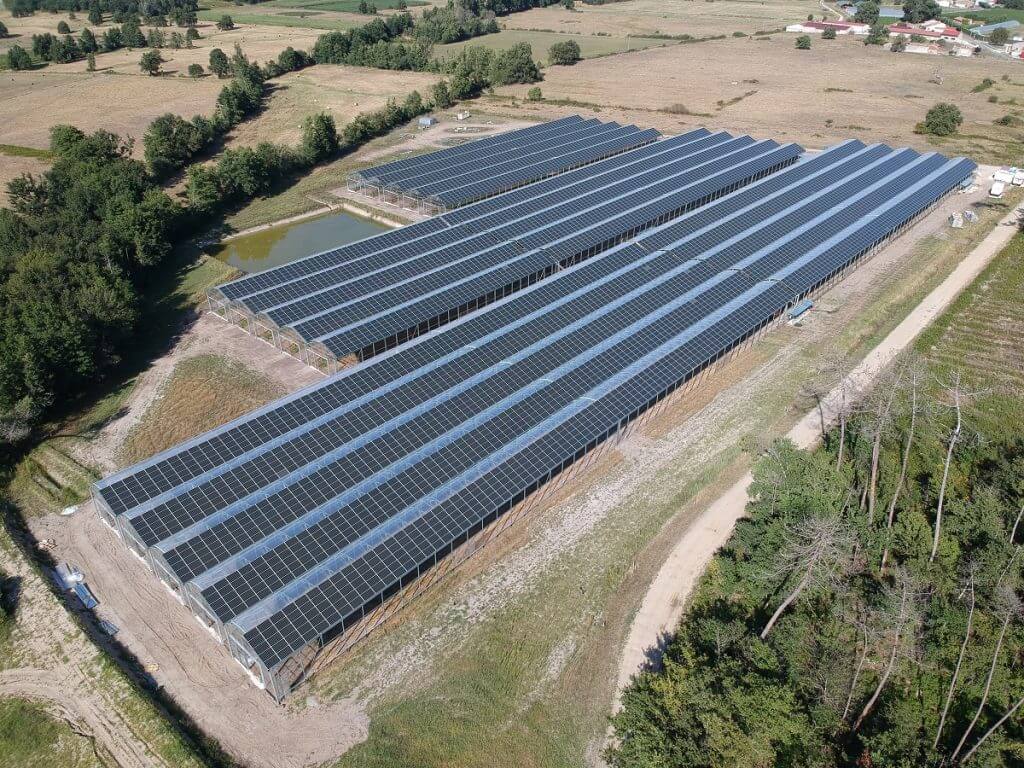
As the world shifts towards a more sustainable energy future, the photovoltaic industry is playing a significant role in reducing greenhouse gas emissions and mitigating climate change. Italy, with its rich history of innovation and industrial production, has been at the forefront of this transition. However, as we delve into the world of renewable energy, it’s essential to examine the implications of this growth on the Italian workforce.
The Rise of the Green Economy
The Green Economy is transforming the way we live and work, creating new opportunities for employment and economic growth. The Italian government has invested heavily in promoting sustainable industries, including photovoltaics. This shift has led to an increase in job creation, both domestically and internationally.
According to a report by the International Renewable Energy Agency (IRENA), the renewable energy sector is expected to create millions of jobs globally by 2050. In Italy, this growth has been particularly evident in the photovoltaic industry, with companies like Enertronica Spa of Frosinone and Gefran Spa of Provaglio d’Iseo (BS) leading the way.
A New Chapter for Enertronica and Gefran
Enertronica Spa of Frosinone and Gefran Spa of Provaglio d’Iseo (BS) have formed a partnership to establish a state-of-the-art manufacturing facility in Cape Town, South Africa. This collaboration will be spearheaded by the new company, Gefran-Enertronica S.A. Pty Ltd, which will benefit from the South African government’s incentive program for renewable energy production until 2030.
The partnership aims to produce high-quality inverters with a range of power capacities between 20 kW and 330 kW. They will also assemble modular containers up to 1.6 MWp, design and build structures for fixing and tracking photovoltaic systems, and provide engineering and maintenance services.
A Symphony of Innovation and Industry
The partnership between Enertronica and Gefran is a testament to the power of collaboration in driving innovation and growth in the photovoltaic industry. By working together, they aim to create jobs and stimulate economic activity in South Africa while promoting the use of renewable energy globally.
“This partnership is a significant step forward for our company,” said Stefano Ferrari, CEO of Enertronica Spa. “We are committed to creating high-quality products that meet the needs of our customers, and we believe that this collaboration with Gefran will help us achieve that goal.”
A New Era for MX Group
Meanwhile, in Serbia, the Italian company MX Group, with its headquarters in Brianza, Villasanta (MB), is set to embark on a new chapter. The company has been selected to build the largest photovoltaic park in the world, valued at 1.755 billion euros. However, this project comes with a price: the closure of the production facility in Villasanta, leading to the loss of approximately 200 jobs.
The decision has left many stunned, as the company had recently announced its partnership with Serbian authorities for this massive project. It appears that only a few employees will remain in Brianza, leaving behind the majority of staff who will be affected by the closure.
A Bittersweet Victory
The news of MX Group’s decision has highlighted the complexities and challenges that come with growth in the photovoltaic industry. While the company’s partnership with Serbian authorities is a significant milestone for renewable energy development, the loss of jobs at its Italian facility serves as a reminder of the human cost of this transition.
As we navigate the complexities of the energy transition, it is crucial to consider the human impact on our decisions. While the Italian photovoltaic industry is creating jobs and driving innovation, it’s essential to acknowledge the challenges that come with growth.
Conclusion
As we look to the future of renewable energy development, it is clear that the Italian photovoltaic industry will play a significant role in shaping this landscape. From Enertronica and Gefran’s partnership to MX Group’s decision, these developments highlight the complexities and opportunities presented by this transition.
By understanding the intricacies of this shift, we can work towards a more sustainable future for all. The creation of jobs, stimulation of economic growth, and reduction of greenhouse gas emissions are just a few of the benefits that come with the development of renewable energy. As we move forward, it is essential to prioritize sustainability while also acknowledging the human impact on our decisions.
Frequently Asked Questions (FAQs)
- What is the Italian government’s role in promoting renewable energy?
The Italian government has invested heavily in incentivizing the production of renewable energy, creating jobs and driving growth in the industry.
- How will Enertronica and Gefran’s partnership impact the job market?
The partnership aims to create new employment opportunities in South Africa, while also contributing to the growth of the photovoltaic industry.
- What are the benefits of the incentive program for renewable energy production in South Africa?
The program provides a framework for companies like Enertronica and Gefran to invest in renewable energy projects, creating jobs and stimulating economic growth.
- How will MX Group’s decision affect the Italian workforce?
The closure of the production facility in Villasanta will lead to the loss of approximately 200 jobs, highlighting the challenges faced by the industry during this transition.
- What is the significance of the largest photovoltaic park being built in Serbia?
This project marks a major milestone for the global energy transition, demonstrating the potential for renewable energy to drive economic growth and create jobs.
- How can we balance economic growth with environmental sustainability?
By prioritizing sustainable industries like photovoltaics, we can create jobs while reducing our carbon footprint and mitigating climate change.
- What are the implications of the energy transition on local communities?
The shift towards renewable energy can have significant impacts on local economies, highlighting the need for careful planning and community engagement.
- How can individuals contribute to a more sustainable energy future?
By supporting companies that prioritize renewable energy, investing in solar panels or wind turbines, and advocating for policies that promote sustainability, we can all play a role in shaping a better future.
Sources:
- International Renewable Energy Agency (IRENA)
- Italian National Institute of Statistics (ISTAT)
- South African Department of Environmental Affairs
- MX Group
- Enertronica Spa
- Gefran Spa


