
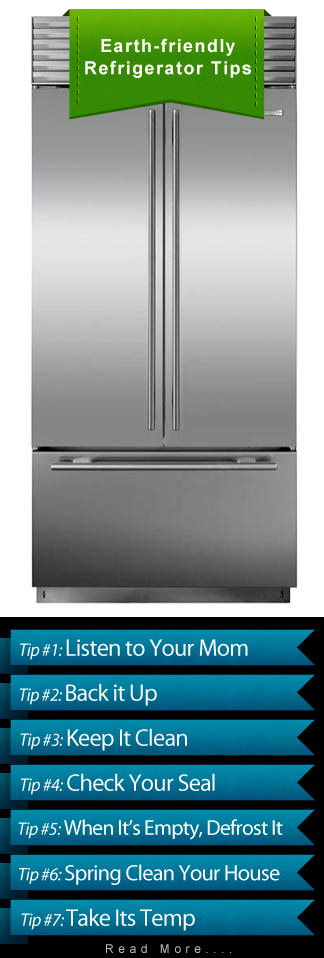
Energy efficiency is an increasingly important aspect of sustainable living. By conserving energy, we can reduce our carbon footprint and contribute to a more environmentally friendly future. However, making conscious efforts to reduce energy consumption doesn’t have to mean sacrificing comfort or convenience. In fact, adopting energy-efficient habits is relatively simple and cost-effective.
The Role of Household Devices in Energy Consumption
Household devices, such as refrigerators and freezers, account for a significant portion of our daily energy usage. These appliances are not only substantial contributors to greenhouse gas emissions but also have a direct impact on our household budgets. The good news is that by optimizing the use of these devices, we can significantly reduce energy waste.
The Refrigerator: A Significant Energy Consumer
Refrigerators, particularly when compared to other household appliances, consume an alarming amount of energy. In fact, studies suggest that refrigerators account for up to 20% of a home’s total energy consumption. This is largely due to the continuous operation required by these devices, which can lead to excessive energy expenditure.
Understanding Energy Efficiency in Refrigeration
To optimize refrigerator performance and reduce energy waste, it’s essential to understand the principles of energy efficiency in refrigeration. Here are some key concepts:
- Temperature control: Refrigerators operate most efficiently when maintained within a specific temperature range (typically between 3°C – 6°C).
- Heat dissipation: Regular cleaning of condenser coils is crucial for ensuring efficient heat dissipation and preventing motor strain.
- Cooling cycles: Minimizing unnecessary cooling cycles by removing expired food and storing perishable items properly can help reduce energy consumption.
Optimizing Refrigerator Performance
By implementing these strategies, you can significantly reduce your energy consumption and lower your environmental impact. Here are some specific tips for optimizing refrigerator performance:
- Maintain a consistent temperature: Set your refrigerator to an optimal temperature range of 3°C – 6°C for optimal performance and minimal energy waste.
- Clean the condenser coils: Regularly clean the condenser coils at the back or bottom of the fridge to ensure efficient heat dissipation and prevent motor strain.
- Remove expired food: Ensure that perishable items are consumed before they expire, as this can reduce unnecessary cooling cycles.
Additional Energy-Efficient Tips
In addition to optimizing refrigerator performance, there are several other ways to boost energy efficiency in your home:
- Keep appliances away from heat sources: Place refrigerators and freezers in well-ventilated areas, away from direct sunlight and heat-emitting devices.
- Seal gaps around doors and vents: Regularly inspect and seal any gaps or openings around door seals and vents to prevent cold air from escaping.
Maximizing Energy Savings
By implementing these strategies, you can significantly reduce your energy consumption and lower your carbon footprint. However, the key to maximum energy savings lies in adopting a long-term approach to household management.
Best Practices for Energy-Efficient Refrigeration
To achieve optimal results, follow these best practices:
- Regularly check and maintain appliances: Schedule regular maintenance sessions to ensure that refrigerators and freezers are functioning efficiently.
- Monitor energy consumption: Keep an eye on your energy bills to identify areas where energy efficiency can be improved.
Conclusion
In conclusion, optimizing energy savings in your home requires a combination of simple habits and intentional actions. By understanding the role of household devices in energy consumption and implementing strategies like refrigerator optimization, you can significantly reduce your environmental footprint while maintaining a comfortable living space.
Frequently Asked Questions (FAQs)
- What is the optimal temperature range for my refrigerator?
- The ideal temperature range for refrigerators is between 3°C – 6°C.
- How often should I clean the condenser coils?
- Clean the condenser coils at least twice a year to maintain efficient heat dissipation.
-
What can I do to reduce energy consumption when using my refrigerator?
- Remove expired food, ensure proper door sealing, and optimize temperature settings for reduced energy waste.
-
Can I use my refrigerator while it’s still cooling down?
- No, it’s recommended to wait until the refrigerator has reached its optimal operating temperature before storing perishable items.
-
How can I improve the insulation around my refrigerator?
- Ensure that the appliance is positioned in a well-ventilated area and seal any gaps or openings around doors and vents.
-
Are there any energy-efficient features available for refrigerators?
- Some newer models come with advanced energy-saving features like automatic defrosting, reduced noise levels, and improved insulation.
-
Can I upgrade to a more energy-efficient refrigerator if my current one is old?
- Yes, upgrading to an energy-efficient model can significantly reduce your energy consumption and lower your environmental impact.
-
What are some common mistakes people make when it comes to refrigeration efficiency?
- Common errors include failing to maintain the refrigerator at optimal temperatures, not cleaning condenser coils regularly, or storing perishable items without proper cooling.


