
Introduction
When we think of propellants, our minds often wander to rockets and explosives. But did you know that these materials are used in many other industries, such as balistica, pirotechnics, aeronautics, and even astronautics? In this article, we’ll delve into the world of propellants, exploring their different types, uses, and applications.
What is a Propellant?
A propellant is a substance that produces thrust or propulsion when it burns or reacts with an oxidizer. It can be in solid, liquid, or gaseous form, and its properties determine its effectiveness as a propellant. In various fields, different types of propellants are used to achieve specific goals.
Propellents: A Brief History
The use of propellants dates back to the 13th century when gunpowder was first developed. Over time, new materials were discovered, and their applications expanded. Today, we have a wide range of propellants, each with its unique characteristics and uses.
Propellents in Balistica and Pirotechnics
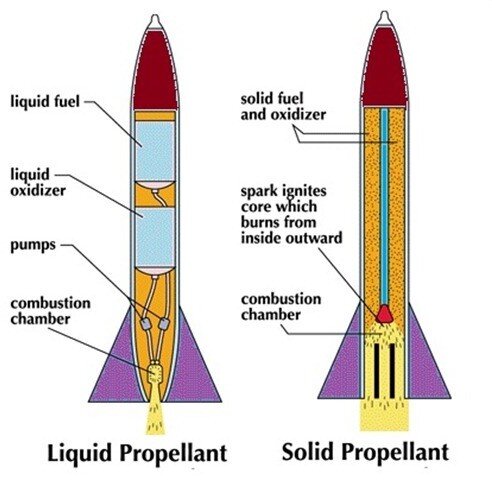
In balistica and pirotechnics, solid propellants are commonly used. Examples include gunpowder, cordite, and nitrocellulose. These materials are used to propel projectiles or produce explosive effects. In contrast, liquid propellants are used in aeronautics and astronautics.
Gunpowder, for instance, was initially used in fireworks and cannons before its application in rockets. The addition of black powder to other materials has led to the development of more efficient and powerful solid propellants.
Cordite, a type of smokeless cord, is another example of a solid propellant used in firearms. Nitrocellulose, on the other hand, is commonly used as a component of explosives and propellants due to its high energy density and stability.
Propellents in Aeronautics and Astronautics
In the aerospace industry, liquid propellants are widely used. Monopropellants, such as hydrazine, and bipropellants, consisting of a combustible material paired with an oxidizer, are commonly employed. These propellants are used to power rockets, aircraft engines, and spacecraft propulsion systems.
Hydrazine is a popular monopropellant due to its high specific impulse (a measure of efficiency) and stability when stored as a liquid. Bipropellants, such as hydrogen peroxide and nitrogen tetroxide, offer a combination of performance characteristics that make them suitable for various applications.
Liquid propellants have significant advantages over solid propellants in terms of controllability, efficiency, and safety. However, they also pose challenges related to storage, handling, and leakage risks.
Propellents: Types and Characteristics
Propellants can be classified into several types based on their composition, form, and performance characteristics. Some common types of propellants include:
- Solid propellants (e.g., gunpowder, cordite)
- Liquid propellants (e.g., hydrazine, ethanol-oxidizer mixtures)
- Gaseous propellants (e.g., hydrogen peroxide)
- Hybrid propellants (a combination of solid and liquid or liquid and gaseous materials)
Each type of propellant has its strengths and weaknesses. Solid propellants are often used in firearms and fireworks due to their high energy density and stability, but they can be difficult to control.
Liquid propellants offer greater efficiency and controllability than solid propellants, making them suitable for applications where precision is crucial. Gaseous propellants have unique characteristics that make them useful in specific contexts, such as gas generators used in rocket propulsion systems.
Propellents in Everyday Life
While propellants are often associated with explosives and rockets, they also have practical applications in everyday life. For example:
- Aerosol propellants (e.g., hairspray, deodorant) contain compressed gases that help dispense the product.
- Fire extinguishers use propellants like carbon dioxide or nitrogen to disperse the agent.
Aerosol propellants are widely used in personal care products due to their ability to disperse a large volume of material with minimal effort. Fire extinguishers, on the other hand, rely on propellants to provide an effective response to fires.
Conclusion
Propellants are versatile materials with a wide range of applications. From explosives and rockets to everyday products, their uses reflect their unique properties and characteristics. As we continue to explore new frontiers in space travel and technology, understanding the power of propellants is essential for advancing our knowledge and innovation.
Case Studies: Applications of Propellants
- Rocket Propulsion: Rocket engines rely on liquid or solid propellants to generate thrust. The Saturn V rocket, for example, used a combination of liquid oxygen and kerosene as its main propellant.
- Firearms: Gunpowder, cordite, and nitrocellulose are commonly used in firearms due to their high energy density and stability. Modern firearms often incorporate more advanced propellants like smokeless powders and composite propellants.
- Space Exploration: Liquid hydrogen and liquid oxygen are widely used as propellants for spacecraft propulsion systems. The Apollo missions, for instance, relied on a combination of liquid fuel and oxidizer to power their lunar modules.
- Fire Extinguishers: Fire extinguishers use compressed gases like carbon dioxide or nitrogen to disperse the agent. These propellants are designed to provide an effective response to fires while minimizing damage to property.
Frequently Asked Questions (FAQs)
- What is a propellant?
A propellant is a substance that produces thrust or propulsion when it burns or reacts with an oxidizer.
2. How are propellants used in rockets?
Propellants, typically liquid or solid, are used to power rocket engines, providing the necessary thrust for launch and flight.
3. What is the difference between monopropellants and bipropellants?
Monopropellants consist of a single combustible material, while bipropellants combine two materials: a combustible substance with an oxidizer.
4. How are propellents classified?
Propellents can be classified into solid, liquid, gaseous, or hybrid types based on their composition, form, and performance characteristics.
5. Are all propellents explosive?
No, not all propellants are explosive. While some are used in explosives and rockets, others have benign applications, such as aerosol propellants.
6. Can I make my own propellant?
It is generally not recommended to attempt making your own propellant without proper training and expertise, as it can be hazardous and unpredictable.
7. How long do fire extinguishers typically last?
The lifespan of a fire extinguisher depends on various factors, including usage, storage conditions, and manufacturer specifications.
8. What is the future of propellants in space exploration?
Researchers are exploring new propellant technologies to improve efficiency, sustainability, and safety in space travel.
Conclusion
In conclusion, propellants play a vital role in many industries, from explosives and rockets to everyday products. Understanding their properties, characteristics, and applications is essential for advancing our knowledge and innovation. As we continue to explore new frontiers in space travel and technology, the power of propellants will remain a crucial factor in shaping the future of our world.


