
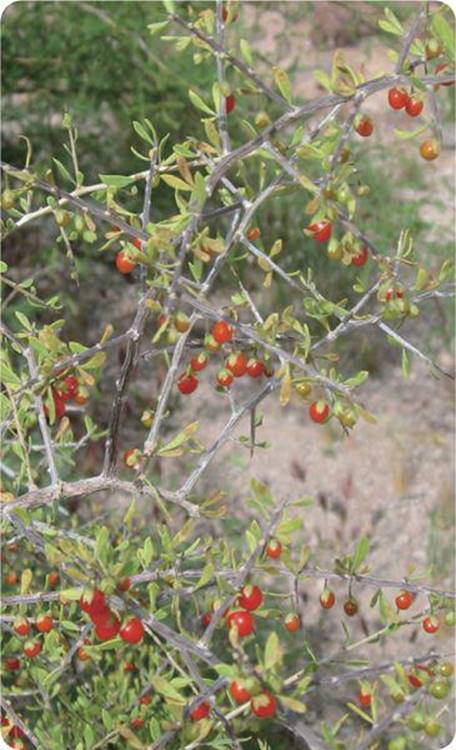
Introduction
In the world of natural health and wellness, there’s a plant that has been hailed as the “plant of youth” – the goji berry. Native to Asia, this solanaceous perennial has been prized for its high antioxidant content, particularly carotenoids and vitamin C. In this article, we’ll delve into the fascinating history, cultivation, and benefits of the goji berry, and explore why it’s becoming increasingly popular worldwide.
What is Goji?
The goji berry (Lycium barbarum) is a type of shrub that has been cultivated for centuries in Asia, particularly in Tibet, China, and other countries. Its name comes from the Tibetan word “gau chi,” which means “wolf’s whistling.” The plant is also known as “goji” or “wolfberry,” and its fruit has been a staple in traditional Chinese medicine for over 2,000 years.
History of Goji
The goji berry has been a prized medicinal herb in China for centuries. In fact, it was mentioned in the famous Chinese medical text, “Shennong Bencaojing,” which dates back to around 200 BCE. The plant was also revered by Tibetan monks, who believed it had spiritual powers. Today, China is still the world’s largest producer of goji berries, with over 82,000 hectares dedicated to cultivation.
Goji: A Fruit Rich in Antioxidants
The goji berry is an excellent source of antioxidants, containing high levels of carotenoids and vitamin C. These compounds have been shown to have anti-inflammatory properties, which may help protect against chronic diseases such as cancer, heart disease, and Alzheimer’s. The antioxidant content of the goji berry is so impressive that it’s been dubbed “the plant of youth.”
Cultivating Goji
Goji can be grown in a variety of climates, including temperate regions with cold winters. In fact, it’s hardy enough to survive temperatures as low as -15°C (5°F). To cultivate goji, simply plant the seeds or seedlings in well-draining soil in early spring. Prune the shrub annually to promote healthy growth and encourage fruiting. Be sure to provide adequate water and fertilization during the growing season.
Benefits of Goji
The goji berry has been shown to have numerous health benefits, including:
- Anti-inflammatory properties: The carotenoids and other compounds in goji berries may help reduce inflammation and alleviate symptoms associated with conditions like arthritis.
- Antioxidant effects: The high antioxidant content of goji berries can help protect against cell damage and oxidative stress, which are linked to a range of chronic diseases.
- Immune system support: Goji berries contain immunomodulatory compounds that may help boost the immune system and prevent illnesses.
- Cardiovascular health: The fiber, potassium, and antioxidants in goji berries may help lower cholesterol levels, blood pressure, and risk of heart disease.
In addition to its medicinal properties, the goji berry is also a delicious and nutritious snack. Rich in vitamins A and C, potassium, and fiber, it’s an excellent choice for those looking to boost their overall health.
Traditional Uses of Goji
For centuries, the goji berry has been used in traditional Chinese medicine to treat a range of ailments, including:
- Respiratory issues: The berries are believed to help alleviate symptoms associated with asthma, bronchitis, and other respiratory conditions.
- Digestive problems: The fiber content in goji berries may help regulate bowel movements and alleviate symptoms associated with irritable bowel syndrome (IBS).
- Skin issues: The antioxidants and carotenoids in goji berries are thought to have anti-aging properties, which may help reduce the appearance of fine lines and wrinkles.
Modern Research on Goji
In recent years, researchers have conducted studies to further understand the potential health benefits of the goji berry. Some key findings include:
- Anti-cancer effects: Studies have shown that extracts from goji berries have anti-tumor activity and may help prevent cancer cell growth.
- Neuroprotective effects: The antioxidants in goji berries are thought to have neuroprotective properties, which may help alleviate symptoms associated with Parkinson’s disease, Alzheimer’s disease, and other neurological disorders.
- Cardiovascular benefits: Research has shown that the fiber, potassium, and antioxidants in goji berries may help lower cholesterol levels, blood pressure, and risk of heart disease.
Conclusion
The goji berry is a miraculous plant that has been prized for centuries in Asia. With its high antioxidant content and numerous health benefits, it’s no wonder why it’s becoming increasingly popular worldwide. Whether you choose to consume the berries or cultivate your own goji shrub, this incredible plant is sure to bring you closer to optimal health.
Frequently Asked Questions
- What is the best way to eat goji berries?
Goji berries can be enjoyed raw or cooked. Try adding them to salads, oatmeal, or yogurt for a nutritious breakfast boost. - Can I grow goji at home?
Yes! With proper care and attention, you can successfully cultivate your own goji shrub at home. - What are the benefits of goji supplements?
Goji supplements contain concentrated extracts of the fruit’s antioxidant-rich compounds. They may help support immune function and overall well-being. - Can I use goji berries for cooking?
Yes! Goji berries add a sweet, slightly tart flavor to a variety of dishes, from savory sauces to sweet baked goods. - Are goji berries safe to eat?
In moderation, goji berries are considered safe to consume. However, individuals with certain health conditions or allergies should consult their healthcare provider before consuming them.
Incorporating Goji into Your Lifestyle
Whether you’re looking to boost your overall health or simply add a nutritious and delicious snack to your diet, the goji berry is an excellent choice. Here are some ways to incorporate goji into your lifestyle:
- Add to salads: Toss goji berries with mixed greens, nuts, and seeds for a healthy and flavorful salad.
- Make a smoothie: Blend goji berries with yogurt, milk, or other fruits for a delicious and nutritious smoothie.
- Use in cooking: Add goji berries to savory sauces, stews, or soups for added flavor and nutrition.
- Consume as a snack: Enjoy goji berries on their own or mix them with other snacks, such as nuts or seeds.
Conclusion
The goji berry is an incredible plant that has been prized for centuries in Asia. With its high antioxidant content and numerous health benefits, it’s no wonder why it’s becoming increasingly popular worldwide. Whether you choose to consume the berries or cultivate your own goji shrub, this miraculous plant is sure to bring you closer to optimal health.
Final Thoughts
The goji berry is a true marvel of nature, offering a wealth of benefits for our overall health and well-being. From its rich antioxidant content to its potential anti-inflammatory properties, there’s no denying the importance of incorporating goji into our diets. By doing so, we can unlock the full potential of this incredible plant and reap the rewards of improved health and vitality.
In conclusion, the goji berry is a remarkable plant that deserves recognition for its numerous benefits. Whether you’re looking to improve your overall health or simply add a delicious and nutritious snack to your diet, the goji berry is an excellent choice.


