
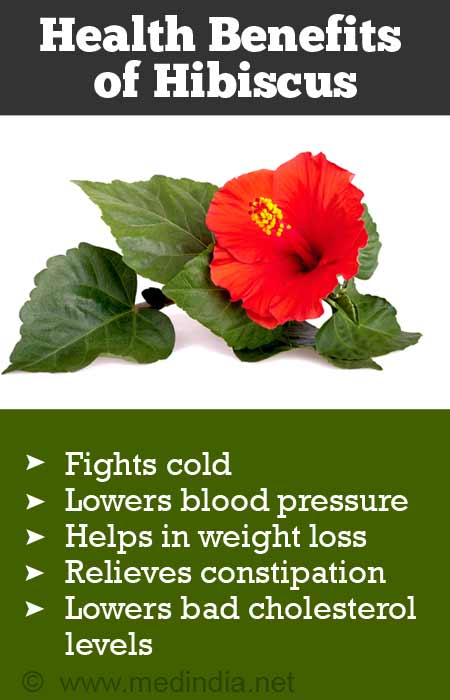
What is Hibiscus?
Hibiscus, also known as Ibisco, is a flowering plant that belongs to the Malvaceae family. It’s not just one species, but rather over 300 varieties of plants, ranging from small shrubs to large trees and herbs. The name “Hibiscus” originates from the Greek word “hibiskos,” which was first mentioned by the ancient Greek physician Dioscoride in the 1st century AD.
The Origins of Hibiscus
Despite its widespread cultivation in Europe and other parts of the world, Hibiscus is originally from Asia Minor. It’s believed that Ghislain de Busbeck, a Flemish ambassador who served under Sultan Suleiman the Magnificent, introduced the plant to Europe in the 16th century. De Busbeck was not only an ambassador but also a botanist who traveled extensively throughout the Middle East and collected various plant species.
Hibiscus: A Versatile Flower
Today, Hibiscus is grown not only in Europe but also in North America and tropical regions, where it has adapted to different environments. Some varieties have even evolved into new species with impressive sizes and colors. For example, the Hibiscus militaris from North America produces large, campanulate flowers that are pink-cream in color.
Hibiscus in Italy
In Italy, Hibiscus is often associated with the Hibiscus syriacus, a type of ornamental shrub with drooping leaves and white, pink, purple, or violet flowers that bloom from July to October. The plant is commonly used in gardens and pots to add color and vibrancy.
Hibiscus Rosso
In Italy, you can also find the Hibiscus rosso, a beautiful variety of the plant with red-colored flowers. There are three species of Hibiscus that are native to Italy, including the Hibiscus roseus, which is often found near riverbanks and is recognized by its stunning pink or reddish-pink flowers.
The Medicinal Properties of Hibiscus
Hibiscus has been used for centuries in traditional medicine due to its numerous health benefits. The plant’s leaves, flowers, seeds, and roots have been used to treat various ailments, including:
- Digestive issues
- Diarrhea
- Dehydration
- High blood pressure
- Skin problems
The extracts of Hibiscus can also be used as a natural remedy for hair care, particularly in the prevention of hair loss and the maintenance of healthy hair.
Hibiscus: A Symbol of Beauty
In many cultures, Hibiscus is considered a symbol of beauty, love, and fertility. In Polynesia, for example, young girls often wear Hibiscus flowers in their hair, while men who are engaged or married show off the flower on their left earlobe.
Growing Hibiscus: Tips and Tricks
If you’re interested in growing Hibiscus, here are some tips to keep in mind:
- Choose a location with plenty of sunlight and warmth.
- Use well-draining soil that’s rich in nutrients.
- Water regularly, but avoid overwatering.
- Fertilize your Hibiscus plant regularly to promote healthy growth.
Common Varieties of Hibiscus
There are several common varieties of Hibiscus, including:
- Hibiscus rosa-sinensis: This is one of the most widely cultivated species of Hibiscus, known for its large, showy flowers.
- Hibiscus syriacus: This variety is often used in ornamental gardens and produces white, pink, purple, or violet flowers that bloom from July to October.
- Hibiscus sabdariffa: This species is native to Africa and Asia and produces red-colored flowers with a cranberry-like flavor.
Hibiscus in Folk Medicine
In many cultures, Hibiscus has been used in folk medicine for centuries. For example:
- Hibiscus tea: In the United States, Hibiscus tea is often consumed as a natural remedy for digestive issues and dehydration.
- Hibiscus syrup: In Mexico, Hibiscus syrup is often used to treat high blood pressure and other cardiovascular problems.
Conclusion
In conclusion, Hibiscus is an ancient flower with numerous health benefits and cultural significance. Whether you’re looking for a natural remedy or just want to add some color to your garden, Hibiscus is definitely worth exploring further.
Frequently Asked Questions (FAQs)
- What are the different types of Hibiscus?
- There are over 300 varieties of Hibiscus, ranging from small shrubs to large trees and herbs.
- Where is Hibiscus originally from?
- Hibiscus is originally from Asia Minor.
- What are the medicinal properties of Hibiscus?
- Hibiscus has been used for centuries in traditional medicine due to its numerous health benefits, including digestive issues, dehydration, high blood pressure, and skin problems.
- Can I grow Hibiscus at home?
- Yes, you can grow Hibiscus at home by choosing a location with plenty of sunlight and warmth, using well-draining soil that’s rich in nutrients, and watering regularly.
- Is Hibiscus safe to use for hair care?
- Yes, the extracts of Hibiscus can be used as a natural remedy for hair care, particularly in the prevention of hair loss and the maintenance of healthy hair.
- What is the cultural significance of Hibiscus?
- In many cultures, Hibiscus is considered a symbol of beauty, love, and fertility.
Future Research Directions
There are several areas where further research on Hibiscus could lead to new discoveries and applications:
- Hibiscus-based cosmetics: Further research on the cosmetic properties of Hibiscus extracts could lead to the development of new products.
- Hibiscus-based pharmaceuticals: Hibiscus extracts have been shown to have various medicinal properties, and further research could lead to the development of new pharmaceuticals.
- Hibiscus-based food products: Hibiscus tea and syrup are already popular in some cultures, and further research could lead to the development of new food products.
Conclusion
In conclusion, Hibiscus is an ancient flower with numerous health benefits and cultural significance. Whether you’re looking for a natural remedy or just want to add some color to your garden, Hibiscus is definitely worth exploring further.


