
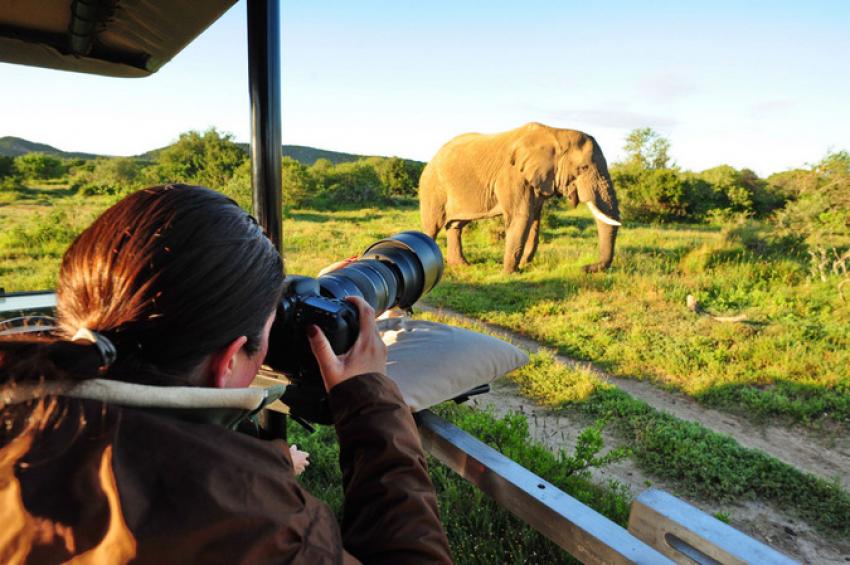
The World of Wildlife Photography Safaris: A Journey to Capture Nature’s Beauty
Are you ready to embark on a journey to capture the beauty of wildlife in their natural habitat? Look no further than a photography safari. In this article, we’ll explore what a wildlife photography safari is, what equipment you’ll need, where to go, and how to make the most of your experience.
What is a Wildlife Photography Safari?
A wildlife photography safari is a guided tour designed to capture stunning photos and videos of animals in their natural habitat. It’s not about hunting or caging animals; it’s about observing and respecting them in their environment. A well-planned safari ensures that you get the best shots, without disturbing the animals or disrupting their natural behavior.
Planning Your Safari
Before embarking on your safari adventure, research the location, time of year, and weather conditions. You’ll need to plan your trip carefully to make the most of your time. Consider factors like climate, vegetation, and animal behavior to ensure that you capture the best images possible.
Equipment for a Wildlife Photography Safari
To take stunning photos and videos, you’ll need the right equipment. Here are some essentials:
- Two or more cameras with various lenses, including a telephoto lens (at least 200mm) for capturing distant subjects.
- A binocular for observing wildlife without disturbing them.
- A camera tripod to stabilize your camera during long exposures.
- Batteries and memory cards for storing your images.
- A notebook and pencil for note-taking and planning.
Choosing Your Destination
Wildlife photography safaris take place in various national parks and reserves around the world. Some popular destinations include:
- Kenya: Home to the Maasai Mara National Reserve, known for its abundant wildlife and annual wildebeest migration.
- Tanzania: Features the Serengeti National Park and Ngorongoro Conservation Area, both renowned for their diverse wildlife and landscapes.
- South Africa: Boasts a range of national parks and reserves, including Kruger National Park and Hluhluwe-Imfolozi Park.
Drone Photography: A New Perspective
Drones have revolutionized the world of photography, offering a new perspective on our natural surroundings. With a drone, you can capture stunning aerial footage and photos that reveal unique insights into landscapes and wildlife habitats.
Before flying your drone, ensure that it is allowed in the location you plan to visit. Check local regulations regarding drone usage to avoid any issues during your safari adventure.
Post-Production: Bringing Your Images to Life
After capturing stunning images on your safari adventure, it’s time to enhance them with post-production techniques. This involves editing and manipulating your photos to bring out their full potential.
- Software: Utilize photo editing software like Adobe Photoshop or Lightroom to refine your images.
- Color grading: Apply color tones and saturation to create a cohesive look across your collection of images.
- Composition: Adjust the composition of each image to balance elements, leading the viewer’s eye through the scene.
A well-planned photography safari can be an unforgettable experience. By choosing the right equipment, destinations, and techniques, you’ll capture breathtaking images that showcase the beauty of wildlife in their natural habitats.
Frequently Asked Questions
- What is the best time to go on a photography safari?
- The best time for a photography safari depends on the location and the type of wildlife you want to capture. Generally, the dry season (June to October) is ideal for capturing landscapes and plains game, while the wet season (November to May) offers opportunities to photograph waterbirds and other aquatic species.
- What are the essential items I need for a photography safari?
- Essential items include two or more cameras with various lenses, a binocular for observing wildlife without disturbing them, a camera tripod to stabilize your camera during long exposures, batteries and memory cards for storing your images, and a notebook and pencil for note-taking and planning.
- Can I use a drone on my photography safari?
- Yes, you can use a drone on your photography safari, but be sure to check local regulations regarding drone usage beforehand. Always follow safety guidelines and respect the wildlife and their habitats when flying your drone.
- How do I enhance my images after taking them during the safari?
- Utilize photo editing software like Adobe Photoshop or Lightroom to refine your images, apply color grading techniques to create a cohesive look across your collection of images, and adjust the composition of each image to balance elements leading the viewer’s eye through the scene.
- What are some popular destinations for photography safaris?
- Popular destinations include Kenya (Maasai Mara National Reserve), Tanzania (Serengeti National Park and Ngorongoro Conservation Area), and South Africa (Kruger National Park and Hluhluwe-Imfolozi Park).
With these tips, tricks, and recommendations, you’ll be well on your way to capturing the ultimate wildlife photography safari. Don’t forget to share your adventures with fellow photographers and the world at large, inspiring others to embark on their own unforgettable journeys in pursuit of nature’s beauty.


