
As a responsible cat owner, it’s essential to understand the reproductive cycle of your feline friend. While cats are known for their independence and unpredictability, knowing when they’re pregnant can help you provide better care and attention during this critical period.
Feline Reproduction: An Overview
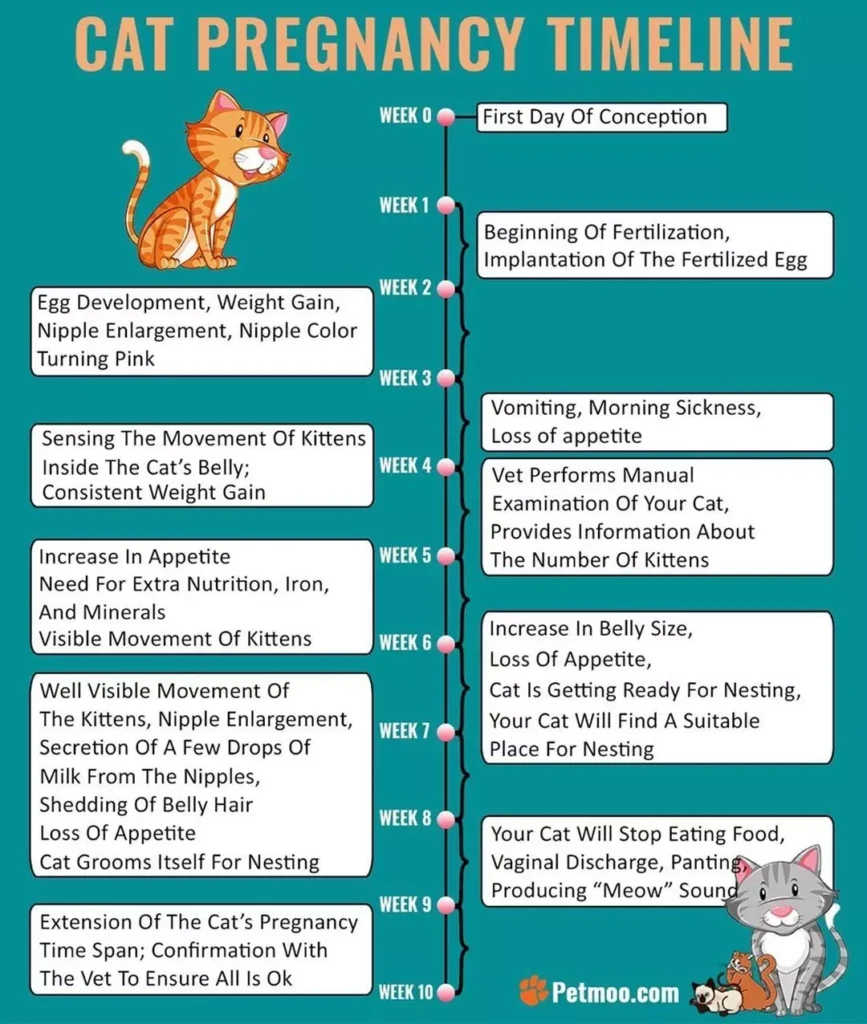
The gestation period of cats is approximately 57-63 days, with most litters born around the 59th day. However, it’s not uncommon for premature births or multiple pregnancies to occur.
To understand cat pregnancy, let’s break down the five stages:
Fertilization
Around 5 months into a female cat’s breeding cycle, they become fertile. This is indicated by increased vocalization, restlessness, and changes in behavior as she prepares for mating.
Nausea and Vomiting
The second stage of pregnancy begins around 2-3 weeks after fertilization, characterized by nausea, vomiting, and loss of appetite.
Weight Gain and Expansion
As the pregnancy advances, the cat’s abdomen will start to expand, with the weight gain becoming more noticeable. This process typically occurs over a period of several weeks, during which time the mother may exhibit increased food intake and water consumption.
Preterm Labor
This final stage occurs about a week before birth and is marked by increased nervousness, restlessness, and changes in behavior. If your cat experiences preterm labor, it’s crucial to seek veterinary attention immediately.
Birth
The birthing process typically takes 6 hours, during which time each kitten may take 15-20 minutes to emerge. The mother will usually deliver the kittens one at a time. In some cases, if multiple litters are present, they can be born within a short period of time, allowing you to monitor their progress.
Recognizing Pregnancy Signs
It’s challenging to determine if a cat is pregnant immediately after mating, as symptoms can be subtle or absent until later stages of pregnancy. Common signs include:
- Abdominal swelling: As the kittens grow and develop inside the uterus, the mother’s abdomen will start to expand.
- Enlarged nipples: The nipples may become swollen and sensitive due to the increased blood flow associated with pregnancy.
- Increased appetite: Pregnant cats often experience an increase in hunger, which can lead to weight gain and further swelling of the abdomen.
- Changes in behavior and mood: Cats in early pregnancy may exhibit changes in their behavior and mood, such as increased vocalization or restlessness.
Ultrasound Detection
Around 18 days into pregnancy, an ultrasound scan can confirm the presence of kittens. However, this doesn’t provide information on the number of fetuses. In some cases, a veterinarian may use ultrasound to monitor fetal development and detect any potential complications during pregnancy.
Detecting Multiple Pregnancies
Around 45 days into pregnancy, the embryos’ bones have formed, allowing for a more accurate count. This is usually achieved through an ultrasound scan or X-ray examination. If multiple pregnancies are present, it’s essential to monitor their progress closely to ensure proper development and delivery.
Cat Pregnancy: Q\&A
Q1: How can I determine if my cat is pregnant?
A1: While symptoms may be subtle or absent until later stages, look for abdominal swelling, enlarged nipples, and changes in behavior and appetite. Ultrasound scans can confirm pregnancy around 18 days into gestation.
Q2: What are the risks associated with premature births in cats?
A2: Premature birth increases mortality rates in kittens and may result in developmental issues such as vision or hearing problems.
Q3: How long does cat pregnancy last?
A3: The average gestation period is approximately 57-63 days, but this can vary depending on factors like temperature and breed. Factors that may affect the length of time include:
- Temperature: A warm environment can help promote fetal development.
- Breed: Some breeds, such as Siamese cats, are more prone to premature births due to their smaller size.
Q4: What are some tips for caring for a pregnant cat?
A4: Provide a warm, comfortable environment with plenty of rest and nutrition. Ensure access to fresh water and a balanced diet. Avoid stressing the mother too much during pregnancy, as this can negatively impact fetal development.
Q5: How often should I check on my pregnant cat?
A5: Monitor your cat’s behavior, appetite, and overall health daily. If you notice any changes or signs of distress, contact your veterinarian immediately.
By understanding the complex process of cat pregnancy, you can better support your feline friend during this critical period and provide the best possible care for their health and well-being.
Additional Resources:
- “Cat Pregnancy: A Comprehensive Guide” by the American Society for the Prevention of Cruelty to Animals (ASPCA)
- “Feline Reproduction” by the International Cat Care website
- “Pregnant Cats and Kittens” by the PetMD website


