
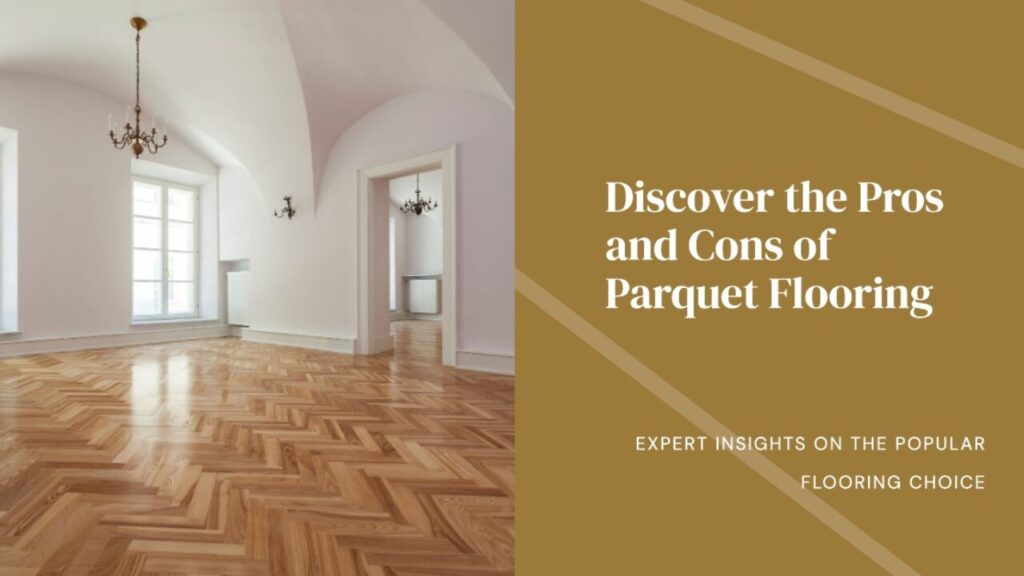
When it comes to making our homes more beautiful and welcoming, there are many materials that contribute to this goal. One such material is industrial parquet, a type of flooring made from small wood strips that can vary in size and origin.
Like other types of flooring, parquet has its own set of characteristics, advantages, and disadvantages. In this article, we’ll delve into the world of industrial parquet, exploring its history, features, benefits, and drawbacks.
What is Industrial Parquet?
The term “industrial” in industrial parquet gives us a hint about its origins. This type of parquet was born to be installed in areas subject to intense foot traffic, such as industrial or commercial spaces. However, over time, its scope has expanded, making it a popular choice for residential spaces as well.
Characteristics of Industrial Parquet
Industrial parquet is made up of thin strips of wood that are assembled and compacted into small blocks, held together by a support. These blocks typically have thicknesses ranging from 8 to 23 mm, with lengths between 160 to 400 mm and widths between 8 to 25 mm. The unique feature of this flooring is that the strips are laid vertically, providing excellent mechanical resistance and making it a popular choice for high-traffic areas.
Types of Industrial Parquet
There are two main types of industrial parquet available in the market:
- Industrial Parquet in Solid Wood: This type of parquet is sold at a lower price point but requires more installation costs.
- Prefinished Industrial Parquet: This type of parquet comes with a higher price tag but has lower installation costs.
Pros and Cons of Industrial Parquet
Like other flooring materials, industrial parquet has its pros and cons. Some of the advantages include:
- Affordability: Industrial parquet is generally more affordable than traditional parquet.
- Durability: It’s robust and resistant to wear and tear.
- Long-lasting: It’s resistant to scratches and can withstand heavy foot traffic.
However, there are also some drawbacks to consider:
- Made from waste materials: This type of parquet is often made from reclaimed or recycled wood.
- Limited aesthetic appeal: Industrial parquet may not have the same level of beauty as other types of flooring.
Despite these limitations, industrial parquet has become a popular choice for many homeowners due to its unique combination of durability and affordability.
Where to Use Industrial Parquet
Industrial parquet can be used in various settings, including:
- Residential spaces
- Commercial areas
- Sports facilities
- Schools
- Restaurants
- Exhibition halls
- Lofts
- Monolocals
- Open office spaces
Maintenance and Repair
To maintain industrial parquet, regular cleaning is essential. Simply use a vacuum cleaner and a damp cloth to remove dirt and dust.
However, more extensive repairs may be necessary over time. This can include:
- Levelling: Every 8-10 years after installation
- Staining: Periodically to maintain the wood’s natural appearance
Cost of Industrial Parquet
The cost of industrial parquet varies depending on the material used and location. On average, it costs between €15 and €30 per square meter.
Alternative Options
For those looking for alternative flooring options, there are several synthetic materials available that mimic the look and feel of industrial parquet. These include:
- PVC Flooring: A popular choice due to its durability and ease of maintenance.
- Bamboo Flooring: A sustainable option that offers a natural, rustic look.
Design Considerations
When it comes to designing with industrial parquet, there are several factors to consider:
- Color scheme: Industrial parquet can be paired with a variety of color schemes, from neutral tones to bold colors.
- Pattern layout: The vertical strips can create interesting patterns and textures when arranged in different ways.
- Lighting: Proper lighting can help bring out the beauty of industrial parquet.
Benefits for Homes
Industrial parquet offers several benefits for homes, including:
- Durability: It’s resistant to scratches and wear and tear, making it a great choice for high-traffic areas.
- Low maintenance: Regular cleaning is all that’s needed to keep industrial parquet looking its best.
Benefits for Businesses
Industrial parquet also offers several benefits for businesses, including:
- Cost-effective: It’s generally more affordable than traditional flooring options.
- Durable: Industrial parquet can withstand heavy foot traffic and is resistant to wear and tear.
By considering these factors and exploring different options, homeowners and business owners can find the perfect flooring solution for their needs and budget.


