
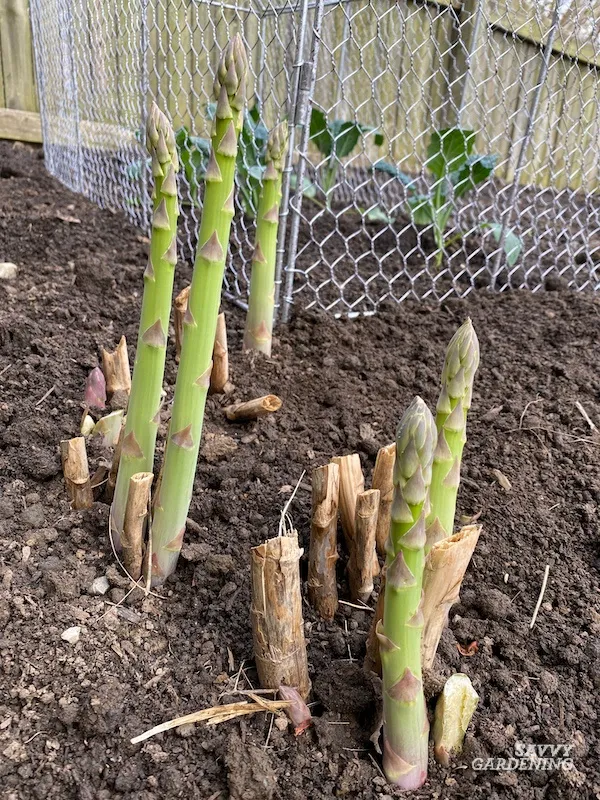
Asparagus, also known as “spears of gold,” is a beloved spring vegetable prized for its delicate flavor and numerous health benefits. However, many people are unaware of the differences between wild asparagus and cultivated varieties, as well as the best times to harvest them.
Wild Asparagus vs. Cultivated Varieties
Before we dive into the details, it’s essential to understand the distinction between wild asparagus (Asparagus acutifolius) and cultivated varieties like Asparagus officinalis. While both are part of the same plant family (Liliaceae), they belong to different species and have distinct characteristics.
Wild asparagus is a perennial herb that grows in a variety of habitats, including forests, fields, and coastal areas. It has a more bitter taste than cultivated varieties and a thinner, less succulent texture. On the other hand, Asparagus officinalis is a popular cultivated variety widely grown for its tender shoots and flavorful stalks.
The Best Time to Harvest Wild Asparagus
Wild asparagus can be harvested in early spring, typically between March and June, depending on weather conditions. The best time to collect wild asparagus depends on the specific location and climate. In areas with mild winters and cool springs, the first spears may appear as early as February or March.
How to Identify Wild Asparagus
To spot wild asparagus, look for:
- Thin, green stems growing in clusters
- A sharp, pointed tip (notched at the end)
- A white or cream-colored base
- Leaves with a long, slender petiole (stem attached to the leaf)
Wild asparagus can be found in many parts of Europe, including Italy, where it grows spontaneously in dry areas, along roadsides, and in coastal regions.
Other Varieties of Wild Asparagus
While Asparagus acutifolius is the most common species, there are two other varieties worth mentioning:
- Asparagus stipularis: Found only in Sicily, Sardegna, and Lampedusa, this variety has a darker coloration and grows at higher elevations (up to 700 meters).
- Asparagus albus: Native to Calabria and Basilicata, this species features white stalks and can be found in valleys or along slopes up to 1000 meters.
Cultivating Wild Asparagus
While it’s possible to cultivate wild asparagus, it requires careful planning and attention. Planting cespi (clumps) or seeds is recommended for optimal results. However, cultivating wild asparagus can be challenging due to its natural spread and tendency to form dense clumps. It’s essential to maintain a balance between harvesting and allowing the plants to grow undisturbed.
When to Harvest Cultivated Asparagus
Cultivated asparagus can be harvested in early spring, typically between March and June, depending on the variety and climate. The best time to harvest depends on factors like weather conditions, soil quality, and temperature fluctuations.
Some farmers use techniques like pacciamatura (using black tarps) to anticipate the harvest period as early as January or February. Others employ strategies to delay harvesting until summer, when the stalks are at their peak flavor and texture.
Where to Buy Cultivated Asparagus
When shopping for cultivated asparagus, look for labels indicating the origin of the product. In Europe, top producers include Germany, Italy, and Spain. In other parts of the world, countries like China dominate the export market. When purchasing cultivated asparagus, consider the following factors:
- Seasonality: Freshness is crucial when it comes to cultivated asparagus. Opt for products that are harvested within the past few days or weeks.
- Origin: Choose asparagus from reputable sources with controlled growing conditions to ensure quality and consistency.
- Handling: Look for products that have been handled gently and stored properly to prevent damage.
Conclusion
Asparagus is a versatile and delicious vegetable with a rich history and diverse varieties. Understanding the differences between wild asparagus and cultivated varieties can help you make informed decisions about harvesting and cultivation. Whether you’re foraging in the wild or growing in your own garden, the optimal times to harvest asparagus are crucial for achieving its full flavor potential.
Frequently Asked Questions
- Q: How often should I water my wild asparagus plants?
A: Wild asparagus plants require minimal watering. Aim for about 2-3 inches of rainfall per week or supplement with irrigation if necessary. - Q: Can I grow asparagus in containers?
A: Yes, you can grow asparagus in containers using a well-draining potting mix and sufficient sunlight. However, keep in mind that container-grown asparagus may require more frequent watering and fertilization. - Q: How long does it take for wild asparagus to mature?
A: Wild asparagus typically takes 5-7 years to mature after planting. - Q: Can I use wild asparagus for cooking?
A: Yes, but be aware that wild asparagus tends to have a more bitter taste than cultivated varieties. Cooking can help reduce bitterness and enhance flavor. - Q: How do I protect my wild asparagus plants from pests and diseases?
A: Regularly inspect your plants for signs of damage or disease, and apply organic pest control methods when necessary. Use natural mulches to retain moisture, suppress weeds, and regulate soil temperature. - Q: Can I grow multiple varieties of asparagus together?
A: Yes, but ensure that the varieties are compatible in terms of climate, soil, and growth habits. Intercropping can help reduce pests and diseases by creating a diverse canopy. - Q: How do I store wild asparagus after harvesting?
A: Store wild asparagus in a cool, dry place or refrigerate immediately to maintain freshness. Avoid washing before storing, as excess moisture can lead to spoilage. - Q: Can I grow asparagus in areas with poor soil quality?
A: Yes, but choose a variety that is tolerant of poor soils and follow specific growing instructions. Add organic matter like compost or manure to improve soil fertility and drainage.
Additional Tips for Growing Asparagus
- Plant asparagus crowns in the fall or early spring, when temperatures are cooler.
- Use a mix of green manure and crop rotation to maintain soil health and control pests and diseases.
- Prune asparagus spears after harvesting to promote new growth and prevent overgrowth.
- Harvest spears regularly to encourage bushy growth and prevent flowering.
Common Asparagus Problems
- Blossom end rot: A condition characterized by brown or black spots on the base of the stem. This can be caused by calcium deficiency, temperature fluctuations, or waterlogging.
- Fungal diseases: Fungal infections like crown rot, leaf spot, or spears rot can affect asparagus plants. Use fungicides and maintain good sanitation to control fungal growth.
- Pests: Common pests affecting asparagus include aphids, spider mites, and caterpillars. Apply organic pest control methods when necessary to minimize damage.
By following these guidelines and tips, you’ll be well on your way to enjoying this nutritious and delicious vegetable all season long. Whether you’re a seasoned gardener or just starting out, understanding the intricacies of asparagus cultivation and harvesting will help you unlock its full potential.


