
As women, it’s essential to understand the importance of self-examination in detecting breast abnormalities. While it may seem daunting, self-examination can be a powerful tool in identifying potential issues before they become serious problems. In this article, we’ll delve into the world of breast palpation, exploring what it is, how to perform a self-examination, and why it’s an essential part of maintaining breast health.
Understanding the Importance of Self-Examination
Self-examination is not just about detecting abnormalities; it’s also an opportunity to get familiar with your body and stay on top of your health. By regularly examining your breasts, you can improve your knowledge of breast anatomy, identify potential issues early on, and reduce the risk of undiagnosed conditions.
Research has shown that women who perform regular self-examinations are more likely to detect breast cancer at an earlier stage, when it’s more treatable. In fact, a study published in the Journal of the National Cancer Institute found that women who performed regular self-examinations were 30% more likely to detect breast cancer at an early stage.
What is Breast Palpation?
Breast palpation is the process of manually examining your breasts to detect any abnormalities, such as lumps, nodules, or changes in texture. It’s a simple yet effective way to get to know your body better and stay on top of your health.
When you perform breast palpation, you’re essentially feeling for any changes in your breast tissue. This can include checking for:
- Rigidity or hardening of the breast
- Redness or inflammation
- Nodules or lumps
- Changes in nipple shape or size
How to Perform a Self-Examination
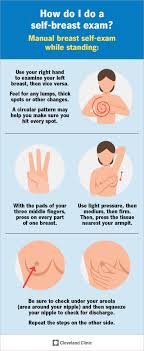
To perform a self-examination, follow these steps:
- Stand in front of a mirror and place your hands on your hips.
- Gradually move your hands down towards your breasts, feeling for any changes in texture or sensation.
- Use three fingers to palpate your breast, starting from the bottom and working your way up.
- Move your fingers in a circular motion, covering the entire area.
Tips for performing a self-examination:
- Make sure you’re relaxed and comfortable.
- Take your time and don’t rush through the examination.
- Check both breasts at the same time to ensure consistency.
- Use a mirror that allows you to see your breasts from multiple angles.
- Consider asking a friend or family member to help you if you need support.
When to Perform a Self-Examination
It’s recommended to perform a self-examination at least once a month. The best time is when your breasts are soft, usually 2-3 days after your period. Consistency is key, so make it a habit to do this every month.
Some women may prefer to perform their self-examinations during different times of the menstrual cycle. For example, some women may find that their breasts are softer and more tender during the follicular phase (days 1-14), making it easier to detect abnormalities.
What Can You Expect?
During the examination, you may notice some changes in your breast tissue, such as:
- Rigidity or hardening of the breast
- Redness or inflammation
- Nodules or lumps
- Changes in nipple shape or size
Don’t panic! Most of these changes are benign and can be addressed with a doctor’s visit. However, if you notice any unusual or persistent changes, it’s essential to seek medical attention.
Why Self-Examination Matters
Self-examination is not just about detecting abnormalities; it’s also an opportunity to get familiar with your body and stay on top of your health. By regularly examining your breasts, you can:
- Improve your knowledge of breast anatomy
- Identify potential issues early on
- Reduce the risk of undiagnosed conditions
- Detect breast cancer at an earlier stage
The Role of Mammography
While self-examination is essential, it’s not a substitute for regular mammograms. The American Cancer Society recommends annual mammograms starting at age 40. Mammograms can detect breast cancer in its earliest stages, when it’s most treatable.
In fact, studies have shown that women who undergo regular mammograms are more likely to survive from breast cancer than those who don’t. A study published in the Journal of the National Cancer Institute found that women who underwent annual mammograms had a 31% lower risk of death from breast cancer compared to those who didn’t.
Common Misconceptions About Self-Examination
There are several common misconceptions about self-examination that you should be aware of:
- Myth: I don’t have to worry about breast cancer because I’m under 40.
- Reality: Breast cancer can occur in women of any age, including those under 40. In fact, the majority of breast cancers are diagnosed in women over 50.
- Myth: Self-examination is only for women who have a family history of breast cancer.
- Reality: While having a family history of breast cancer may increase your risk, self-examination can be beneficial for anyone who wants to stay on top of their health.
Frequently Asked Questions
- How often should I perform a self-examination?
At least once a month, ideally 2-3 days after your period. - What are the signs of breast cancer?
Changes in breast size or shape, nipple discharge, redness or inflammation, and lumps or nodules. - Can I detect breast cancer through self-examination alone?
No, while self-examination can identify potential issues, it’s not a substitute for regular medical check-ups and mammograms. - How do I know if I have a benign vs. malignant lump?
Only a doctor can determine the nature of a lump. If you notice any unusual changes, schedule an appointment with your healthcare provider. - Can I perform self-examination during my menstrual cycle?
It’s best to avoid self-examination during your period, as breast tenderness may make it more difficult to detect abnormalities.
Remember, self-examination is just one aspect of maintaining breast health. Stay informed, stay proactive, and take control of your health today!
Tips for Maintaining Breast Health
In addition to performing regular self-examinations, there are several other ways to maintain breast health:
- Get regular mammograms: The American Cancer Society recommends annual mammograms starting at age 40.
- Maintain a healthy weight: Being overweight or obese can increase your risk of developing breast cancer.
- Exercise regularly: Regular exercise can help reduce your risk of developing breast cancer.
- Avoid radiation exposure: Limit your exposure to radiation, such as CT scans and X-rays, whenever possible.
By following these tips and performing regular self-examinations, you can take control of your breast health and reduce your risk of developing breast cancer. Stay informed, stay proactive, and take care of yourself!


