
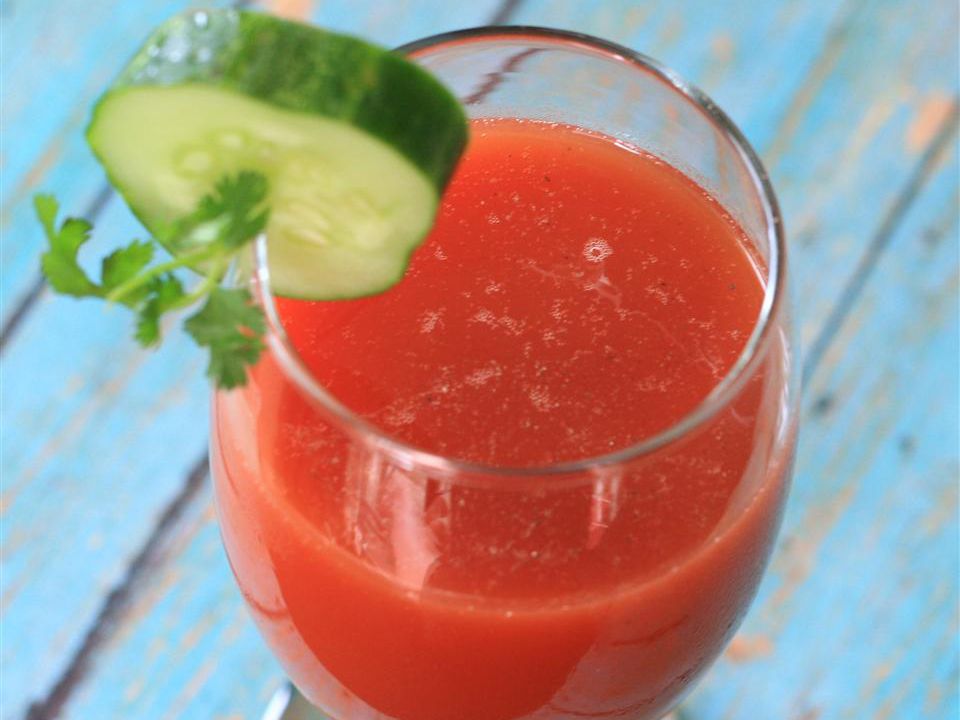
Understanding the History of Tomato Juice
Tomato juice has a unique history that dates back to 1917 when a bartender in French Lick Springs, Indiana, created a drink by mixing tomato puree with sugar. This innovative concoction quickly gained popularity, and soon, tomato juice was being enjoyed not only as a refreshing beverage but also as an ingredient in various cocktails.
The story goes that the bartender, who wanted to create a drink that would help ease a hangover, experimented with different ingredients until he stumbled upon the perfect combination. The resulting drink, known as “Tomato Juice,” quickly became a favorite among locals and eventually spread throughout the United States.
Nutritional Properties of Tomato Juice
Tomato juice is often aromatized with salt, spices, or other flavorings, making it challenging to discuss its nutritional properties. However, the USDA Nutrient Database provides us with the standard values for tomato juice:
• Calories: 17 kcal
• Carbohydrates: 4.24 g
• Sugar: 3.56 g
• Fiber: 0.4 g
• Fat: 0.05 g
• Protein: 0.76 g
• Vitamin C: 18.3 mg
• Water: 93.9 g
These nutritional values make tomato juice an excellent choice for those following a hypocaloric diet or managing blood sugar levels. The high water content also makes it a refreshing beverage perfect for hot summer days.
Benefits of Tomato Juice for Health
Due to its low calorie count, tomato juice is an excellent choice for those looking to manage their weight or reduce their risk of chronic diseases such as heart disease and diabetes. The high content of vitamin C makes it perfect for hot summer days, providing sun protection and reducing the appearance of fine lines and wrinkles.
Tomatoes are also rich in lycopene, a carotenoid pigment that gives them their characteristic red color and offers antioxidant properties. Lycopene has been shown to have anti-inflammatory properties, which can help reduce the risk of certain cancers, such as prostate cancer.
Recent studies suggest that tomato juice may also help combat osteoporosis by increasing bone density and reducing inflammation in the body. The antioxidants present in tomatoes counteract oxidative stress and free radicals, leading to overall health benefits.
Preparing Tomato Juice at Home
If you’re looking for a recipe to create your own tomato juice, we’ve got you covered! Here’s a simple guide:
Ingredients:
- 200 grams of fresh, ripe tomatoes
- 2 tablespoons of lemon juice
- 1 tablespoon of sugar
- A pinch of salt and pepper
- A few dashes of tabasco (optional)
Choose fresh, juicy tomatoes and wash them thoroughly. Blend the tomatoes until smooth, then strain the mixture through a fine-mesh sieve to extract the juice. Refrigerate the juice for at least an hour before serving.
You can also use a juicer or blender to extract the juice from your tomatoes. Simply add the juice to your desired recipe, including any additional flavorings you prefer.
Tomato Juice and Beer: A Unique Pairing
In Canada and Mexico, tomato juice is commonly mixed with beer, creating a refreshing and savory drink known as “Calgary Red-Eye” or “Cerveza preparada.”
This unique pairing may seem unusual to some, but it’s actually a traditional practice that dates back decades. The acidity in the tomato juice helps cut through the richness of the beer, while the sweetness of the tomatoes balances out the bitterness.
If you’re feeling adventurous, try experimenting with different types of beer and tomato juice combinations to find your perfect match.
Tomato Juice and Nutrition
In addition to its health benefits, tomato juice is also an excellent source of essential nutrients that can help support overall well-being. Some of these nutrients include:
- Vitamin A: important for healthy vision, immune function, and skin health
- Vitamin K: necessary for blood clotting and bone health
- Potassium: helps regulate blood pressure and supports healthy heart function
- Folate: essential for fetal development during pregnancy
Tips for Drinking Tomato Juice
If you’re considering adding tomato juice to your diet, here are some tips to keep in mind:
- Start with small amounts: if you’re new to drinking tomato juice, start with a small amount (about 4 ounces) and gradually increase your consumption as needed.
- Choose organic options: opt for organic tomatoes whenever possible to avoid exposure to pesticides and other chemicals.
- Experiment with different flavorings: try adding herbs like basil or oregano, or spices like cumin or chili powder to create unique flavor combinations.
- Consider your individual needs: if you have specific dietary restrictions or concerns (such as acid reflux), consult with a healthcare professional before incorporating tomato juice into your diet.
Frequently Asked Questions
- What are the health benefits of drinking tomato juice?
Tomato juice is rich in vitamins, antioxidants, and lycopene, which can help combat osteoporosis, prevent cancer, and protect against sun damage. - Can I make my own tomato juice at home?
Yes, you can make your own tomato juice by blending fresh tomatoes with lemon juice, sugar, salt, pepper, and optional tabasco. - Is tomato juice suitable for people with diabetes?
Tomato juice is low in calories and rich in fiber, making it a relatively healthy choice for those following a hypocaloric diet or managing blood sugar levels. - Can I use canned tomatoes to make tomato juice?
While canned tomatoes can be used as a substitute, fresh tomatoes provide more nutritional benefits and flavor. - How do I store tomato juice in the refrigerator?
Store tomato juice in an airtight container in the refrigerator for up to 24 hours. - Can I freeze tomato juice?
Yes, you can freeze tomato juice for later use, but be sure to strain it before freezing to remove any sediment. - What are some popular cocktail recipes that use tomato juice?
Some popular cocktails that use tomato juice include the Bloody Mary, Michelada, and Bloody Caesar. - Is tomato juice suitable for people with acid reflux?
While tomato juice can be acidic, many brands offer low-acid or organic options that may be more suitable for those with acid reflux concerns.
Conclusion
Tomato juice is more than just a tasty beverage; it’s also packed with nutritional benefits. With its low calorie count, high vitamin C content, and antioxidant properties, tomato juice is an excellent addition to any healthy diet. Whether you enjoy it on its own or use it as an ingredient in cocktails, tomato juice is sure to become a staple in your kitchen.
So go ahead and give tomato juice a try – your body (and taste buds) will thank you!


