
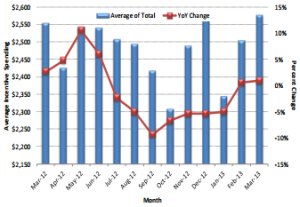
As we enter January, the highly anticipated incentives for new cars in 2013 have been delayed to be announced. Without the decree to implement the Law 134 of August 7, 2012, the distribution of funds has been put on hold.
The deadline for the decree was supposed to be mid-October, but the timeline has been extended due to the approval of the budget law, passed by the Senate on December 20 and pending approval in the Chamber.
According to some sources, the regulation will be finalized towards the end of January, with incentives 2013 concluding at the end of February. Meanwhile, a website needs to be created where incentives can be reserved, which must then be converted into purchases within 90 days following that.
What’s Changed?
-
Reduced Incentives: The available resources would have been €140 million over three years (2013-2015). Instead, the amount will be reduced to just €110 million, allocated as follows:
- €40 million for 2013
- €35 million for the next year
- €35 million in 2015
-
Targeted Incentives: The ecoincentives will only be available for buying new cars, whether electric, hybrid, or bi-fuel, with a CO2 emissions parameter of less than 120g/km.
- First Year Reduction: The cut will only affect cars with emissions between 51 and 95 g/km and 96 and 120 g/km. For cars with CO2 emissions below 50 g/km, a 20% contribution to the purchase price up to €5,000 (15% up to €3,500 in 2015) is available.
- Second Year Reduction: A contribution of €4,000 (€3,000 in 2015) will be available for cars with total emissions below 95 g/km and €2,000 (€1,800 in 2015) for cars with CO2 emissions below 120 g/km.
Impact on Sales
This unexpected change will have a significant impact on sales, especially for those who had postponed their purchase in 2012 relying on the incentives 2013. Many car buyers were hoping to take advantage of these incentives and may now need to reconsider their plans.
The reduced incentive period and amount will likely lead to fewer purchases of new cars in 2013, which could have a negative impact on the automotive industry. However, it’s worth noting that the incentives are intended to encourage the purchase of environmentally friendly vehicles, so this change may still contribute to a shift towards more eco-friendly transportation options.
What’s Next?
The new incentives will be available for cars registered between January 1 and December 31, 2022. The registration process can be done online through the designated website.
- New Registration Process: A new online platform will be created where car buyers can reserve their incentive.
- Conversion Period: Buyers have 90 days to convert their reserved incentive into a purchase.
- Additional Requirements: Some requirements, such as proof of residency and insurance, may need to be met in order to finalize the registration process.
Key Takeaways:
- Incentives for new cars in 2013 have been delayed to be announced due to changes in the law.
- The reduced amount of €110 million will be allocated over three years (2013-2015).
- Ecoincentives are only available for buying new cars with CO2 emissions below 120g/km.
- A 20% contribution to the purchase price up to €5,000 (15% up to €3,500 in 2015) is available for cars with CO2 emissions below 50 g/km.
Frequently Asked Questions:
- What is the new incentive period?
- Incentives will be available from January 1, 2022, and ending on December 31, 2023.
- Can I still register my car under the previous incentives?
- No, due to the changes in the law, only cars registered between January 1, 2022, and December 31, 2023 will be eligible for the new incentives.
- How do I reserve an incentive online?
- A designated website will be created where you can reserve your incentive.
- Can I still get the full amount of €5,000 (€3,500 in 2015)?
- No, due to the changes in the law, the maximum contribution to the purchase price is now €2,000 (€1,800 in 2015) for cars with CO2 emissions below 120g/km.
Stay Up-to-Date
For the latest information on incentives and registration processes, stay tuned to our website or follow us on social media. We will provide regular updates and guidance throughout the process.
In conclusion, the delayed announcement of incentives for new cars in 2013 has resulted in a reduced incentive period and amount. While this change may have an impact on sales, it’s also important to note that these incentives are intended to encourage environmentally friendly transportation options. As we move forward, it’s essential to stay informed about any changes or updates related to the incentives and registration process.
Benefits of Incentives
Incentives for new cars can provide several benefits, including:
- Environmental Benefits: By encouraging the purchase of environmentally friendly vehicles, incentives can help reduce greenhouse gas emissions and promote sustainable transportation options.
- Economic Benefits: Incentives can also have a positive impact on the economy by stimulating car sales and creating jobs in the automotive industry.
- Consumer Benefits: Incentives can provide consumers with more affordable options for purchasing new cars, making it easier for them to upgrade or purchase their first vehicle.
Challenges Ahead
While incentives are intended to promote environmentally friendly transportation options, there are several challenges that need to be addressed. Some of the key challenges include:
- Regulatory Changes: The regulatory changes may affect the eligibility criteria for incentives and the types of vehicles that qualify.
- Public Awareness: It’s essential to educate the public about the benefits and requirements of the new incentives, as well as any updates or changes to the program.
- Administrative Costs: Implementing and administering a new incentive program can be costly, so it’s crucial to ensure that the program is managed efficiently and effectively.
Conclusion
In conclusion, the delayed announcement of incentives for new cars in 2013 has resulted in a reduced incentive period and amount. While this change may have an impact on sales, it’s also important to note that these incentives are intended to encourage environmentally friendly transportation options. As we move forward, it’s essential to stay informed about any changes or updates related to the incentives and registration process.
By understanding the benefits and challenges of incentives for new cars, we can better navigate this complex issue and work towards creating a more sustainable transportation system.


