
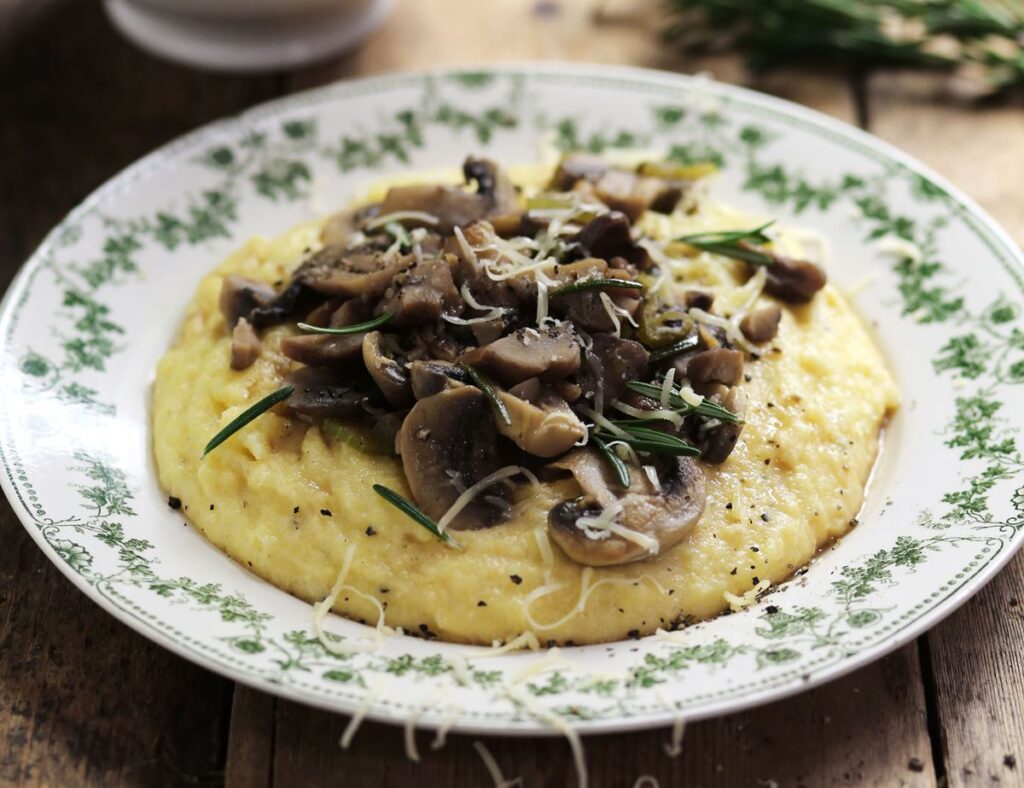
Introduction
In the heart of Italy, there lies a culinary treasure that has been passed down through generations – the sweet and comforting polenta di castagne. This traditional dish, also known as chestnut polenta, is a staple in many regions of central and northern Italy. In this article, we’ll delve into the history, origins, and preparation of this beloved dish, as well as provide a simple recipe to make it at home.
The Origins of Polenta di Castagne
Polenta di castagne has its roots in ancient Italy, where chestnuts were a fundamental resource for the population. The Apennine region, particularly Tuscany and Emilia-Romagna, was one of the first areas to adopt this dish as a staple food. Chestnuts were abundant, easy to store, and provided a reliable source of energy during the harsh winter months.
The Difference Between Castagnaccio and Polenta di Castagne
While both castagnaccio and polenta di castagne are made from chestnut flour, there’s a subtle difference between the two. Castagnaccio is typically thinner, up to 1 cm thick, and includes additional ingredients like olive oil and water. In contrast, polenta di castagne is cooked similarly to traditional corn polenta but with a significantly shorter cooking time.
A Brief History of Polenta di Castagne
Polenta di castagne has been enjoyed for centuries in various regions of Italy. In Trentino, people traditionally made polenta from potatoes due to the scarcity of chestnuts. However, as trade and cultivation improved, chestnut polenta became a popular alternative. Today, this dish is still celebrated in Lunigiana, where it’s known as patona or pattona.
The Traditional Preparation of Polenta di Castagne
Traditionally, polenta di castagne was served without any condiments, accompanied by hot milk or ricotta. Wealthier farmers would share it with salsiccia in umido (sausages cooked in liquid) and onions. The simplicity of this dish belies its rich flavor profile, making it a staple at family gatherings and special occasions.
Serving Suggestions for Polenta di Castagne
Polenta di castagne is an incredibly versatile dish that can be served with a variety of ingredients. Try pairing it with cured meats like coppa, speck, or fresh cheese, such as pecorino and gorgonzola. For a more modern twist, add some roasted vegetables or herbs to the polenta.
Recipe: Polenta di Castagne
Making polenta di castagne at home is easier than you think! Here’s a simple recipe for 4 people:
- 400g chestnut flour
- 1 liter water
- Salt, as needed
Step-by-Step Instructions
- Heat the water in a metal pot or casserole with thick sides.
- Add the chestnut flour without mixing and add salt.
- Cover the pot and simmer at low heat without stirring the flour for about 40 minutes.
- Remove the lid and continue cooking until the polenta is done.
- Turn off the heat, drain some water from the pot, and mix well to incorporate the water into the chestnut flour.
- Add reserved water if necessary to achieve the desired consistency.
- Serve the polenta on a wooden cutting board and let it cool down for a few minutes before serving.
Tips and Variations
To add an extra layer of flavor to your polenta di castagne, try adding some grated Parmesan cheese or chopped fresh herbs like parsley or rosemary. For a more savory twist, mix in some cooked vegetables or herbs into the final stages of cooking.
Conclusion
Polenta di castagne is more than just a delicious dish – it’s a taste of Italy’s rich history and culture. With its simple yet flavorful ingredients, this ancient delight is sure to become a staple in your kitchen. So go ahead, give polenta di castagne a try, and experience the warmth and hospitality that Italy has to offer.
Frequently Asked Questions
Q: What’s the difference between castagnaccio and polenta di castagne?
A: Castagnaccio is thinner and includes additional ingredients like olive oil and water, while polenta di castagne is cooked similarly to traditional corn polenta but with a shorter cooking time.
Q: Can I make polenta di castagne without chestnut flour?
A: No, traditional polenta di castagne is made from chestnut flour. You can try using other types of flour as a substitute, but the result may not be authentic.
Q: How do I collect chestnuts for making polenta di castagne?
A: Chestnuts are typically harvested in autumn. Look for mature nuts with a hard, brown shell and avoid those that are damaged or soft.
Q: Can I serve polenta di castagne with any type of cheese?
A: While traditional pairings include pecorino and gorgonzola, you can experiment with other types of cheese to find your favorite combination.
Q: Is polenta di castagne a good option for vegetarians?
A: Yes, polenta di castagne is typically made without meat or animal products. However, be mindful of any additional ingredients or condiments used in preparation.
Q: Can I make polenta di castagne ahead of time?
A: While it’s best to serve polenta di castagne freshly prepared, you can cook the mixture up to a day in advance and refrigerate it overnight. Simply reheat before serving.
Q: Is polenta di castagne a healthy option?
A: Polenta di castagne is relatively high in carbohydrates and calories due to the chestnut flour used in its preparation. However, when paired with lean protein sources or vegetables, it can be a nutritious and satisfying meal option.
Q: Can I make polenta di castagne for large groups?
A: Yes, you can easily scale up the recipe to feed larger crowds by increasing the amount of ingredients used. Simply adjust cooking time accordingly to ensure the polenta is cooked to perfection.
Regional Variations
Polenta di castagne has been adapted and modified throughout Italy, reflecting local tastes and traditions. In Trentino, for example, polenta is often served with a side of salsiccia in umido (sausages cooked in liquid) and onions. In Emilia-Romagna, the dish is paired with prosciutto di Parma and Parmesan cheese.
Food Culture and Traditions
Polenta di castagne has played an important role in Italian food culture and traditions. During festivals and celebrations, polenta is often served as a symbol of hospitality and generosity. In many regions, traditional cooking techniques are passed down from generation to generation, preserving the unique flavors and textures associated with this beloved dish.
Conclusion
Polenta di castagne is more than just a delicious dish – it’s a taste of Italy’s rich history and culture. With its simple yet flavorful ingredients, this ancient delight is sure to become a staple in your kitchen. So go ahead, give polenta di castagne a try, and experience the warmth and hospitality that Italy has to offer.
Final Thoughts
As you savor the creamy texture and nutty flavor of polenta di castagne, remember the rich cultural heritage behind this beloved dish. By sharing its story and traditions, we can appreciate the beauty of Italian cuisine and the people who have shaped it over centuries. Buon appetito!


