
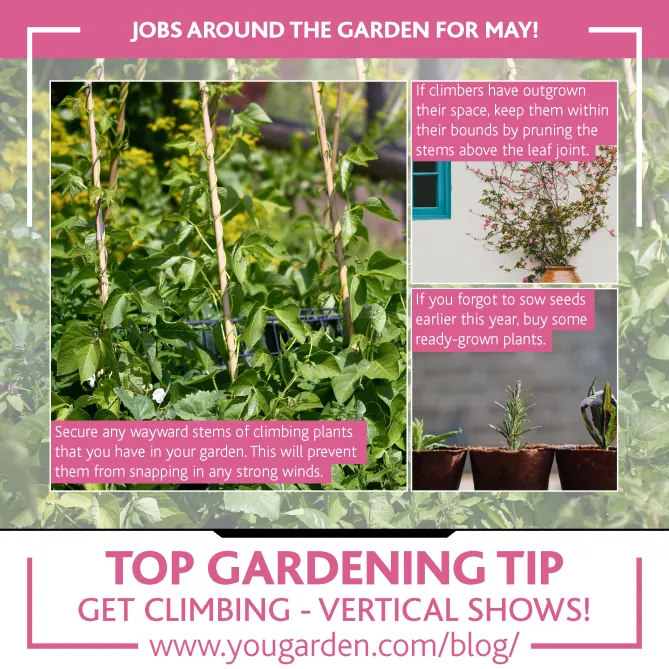
As a gardener, May is one of the busiest months of the year. The soil is warm, and plants are thriving, making it an ideal time for cultivation and growth. In this article, we’ll delve deeper into the various tasks that need to be done in the garden during May to ensure a bountiful harvest throughout the summer.
Understanding the Importance of May in Gardening
May marks the beginning of the growing season, and it’s essential to make the most of this time. With many crops ready for harvesting, there’s plenty of work to be done to maintain a healthy and thriving garden. In this guide, we’ll cover the various tasks that need to be performed in May, from pruning and training plants to controlling pests and diseases.
Semination (Seeding) and Trimming
One of the most critical tasks in May is semination (seeding) and trimming. This is the time when many gardeners plant their seeds, and it’s essential to do so correctly. Make sure to choose a good quality seed for each type of crop, and follow the specific instructions for sowing depth and spacing.
After planting, trim the plants to encourage healthy growth and prevent overcrowding. Keep in mind that some crops require more maintenance than others, so make sure to research specific requirements before pruning your plants.
Factors to Consider When Seminating
When seminating, consider the following factors:
- Soil temperature: Most seeds germinate best when the soil is warm (around 60°F to 70°F). Check the seed packet or consult with a gardening expert to determine the optimal soil temperature for each type of crop.
- Seed depth: Make sure to plant the seeds at the correct depth, usually about 1/4 inch deep. Planting too shallow can lead to poor germination, while planting too deeply can prevent growth.
- Spacing: Space the seeds correctly to ensure they have enough room to grow and receive adequate sunlight.
Transplanting Crops
May is also a great time to transplant potted plants into their permanent positions. This is an excellent opportunity to relocate seedlings that are already established in pots and need more space to grow. Choose a location with good sunlight and adequate watering, and make sure the soil is suitable for the specific plant species.
Some of the most commonly transplanted crops include cucurbits (melons, squash, and zucchini) and solanaceae (tomatoes, peppers, and eggplants).
Pruning and Training
As plants grow, it’s essential to prune them regularly to maintain shape, encourage healthy growth, and promote fruiting. Prune your plants at the right time of day, when they’re most receptive, using sharp, clean tools to prevent spreading diseases.
Make sure to also train your climbing plants, such as peas, beans, and cucumbers, using a trellis or other support system. This will help keep them upright, encourage better fruiting, and save space in the garden.
Tips for Pruning
- Prune at the right time: Prune your plants when they’re most receptive, usually early morning.
- Use sharp tools: Use sharp, clean tools to prevent spreading diseases.
- Make clean cuts: Make clean cuts just above a node (where a leaf meets the stem).
- Prune regularly: Prune your plants regularly to maintain shape and promote healthy growth.
Crop Selection
May is an excellent time to harvest many crops, including:
• Garlic
• Onions
• Leafy greens (such as lettuce, spinach, and kale)
• Root vegetables (such as carrots, beets, and radishes)
• Legumes (such as peas, beans, and lentils)
These crops are not only delicious but also provide essential nutrients and minerals.
Pest Control
While it’s essential to maintain a healthy garden, pests can still cause damage. To prevent infestations, use organic methods whenever possible. Some effective natural pest control techniques include:
• Companion planting (planting specific crops together to repel pests)
• Crop rotation
• Using beneficial insects
• Hand-picking pests
Avoid using chemical pesticides, as they can harm the environment and contaminate your food.
Disease Control
May is also a time when diseases start to spread in the garden. To prevent this, make sure to:
• Inspect plants regularly for signs of disease
• Use organic fungicides or bactericides when necessary
• Practice good sanitation by removing infected plants
• Quarantine new seedlings before introducing them to your main garden
Tips for Disease Control
- Inspect regularly: Inspect your plants regularly for signs of disease, such as yellowing leaves, black spots, or powdery mildew.
- Use organic fungicides: Use organic fungicides or bactericides when necessary to prevent the spread of disease.
- Practice good sanitation: Remove infected plants and practice good sanitation by disinfecting tools and surfaces.
Conclusion
May is a critical month for gardeners, with many tasks to be performed to ensure a successful harvest. By pruning and training plants, transplanting crops, controlling pests and diseases, and selecting the right crops, you’ll set yourself up for success throughout the growing season.
In addition to these tasks, make sure to also:
- Monitor soil moisture: Check the soil regularly to ensure it’s not too dry or waterlogged.
- Provide adequate sunlight: Ensure your plants receive adequate sunlight, usually at least 6 hours of direct sunlight per day.
- Water deeply: Water your plants deeply, but avoid overwatering, which can lead to root rot and other problems.
By following these tips and tasks, you’ll be well on your way to a successful harvest in May. Happy gardening!
FAQs
- What are some of the most commonly transplanted crops?
Cucurbits (melons, squash, and zucchini) and solanaceae (tomatoes, peppers, and eggplants). - How do I prune my plants effectively?
Prune your plants at the right time of day, when they’re most receptive, using sharp, clean tools to prevent spreading diseases. - What are some effective natural pest control methods?
Companion planting, crop rotation, using beneficial insects, and hand-picking pests. - How do I prevent diseases in my garden?
Inspect plants regularly for signs of disease, use organic fungicides or bactericides when necessary, practice good sanitation, and quarantine new seedlings. - What crops are commonly harvested in May?
Garlic, onions, leafy greens (such as lettuce, spinach, and kale), root vegetables (such as carrots, beets, and radishes), and legumes (such as peas, beans, and lentils). - How often should I water my plants?
Check the specific watering needs of each plant species, but generally aim to keep the soil consistently moist during the growing season. - What is companion planting?
Companion planting involves planting specific crops together to repel pests or improve growth.
Note: The above FAQs are meant to provide general guidance and may not be applicable to every situation. Always research specific requirements for each crop and consult with gardening experts if needed.


