
Introduction
Aspidistra, a plant native to China, has gained popularity in recent years due to its low-maintenance requirements and versatility. But where did this plant get its fame? The answer lies in a book by George Orwell, titled “Keep the Aspidistra Flying,” written in 1936. In this article, we’ll delve into the world of Aspidistra, exploring its characteristics, benefits, and care requirements.
What is an Aspidistra?
Aspidistra belongs to the Liliaceae family and is known for its ability to thrive in low-light conditions, making it an ideal choice for indoor spaces. This plant’s success can be attributed to its tolerance of neglect, allowing it to flourish even in areas with limited sunlight.
Appearance
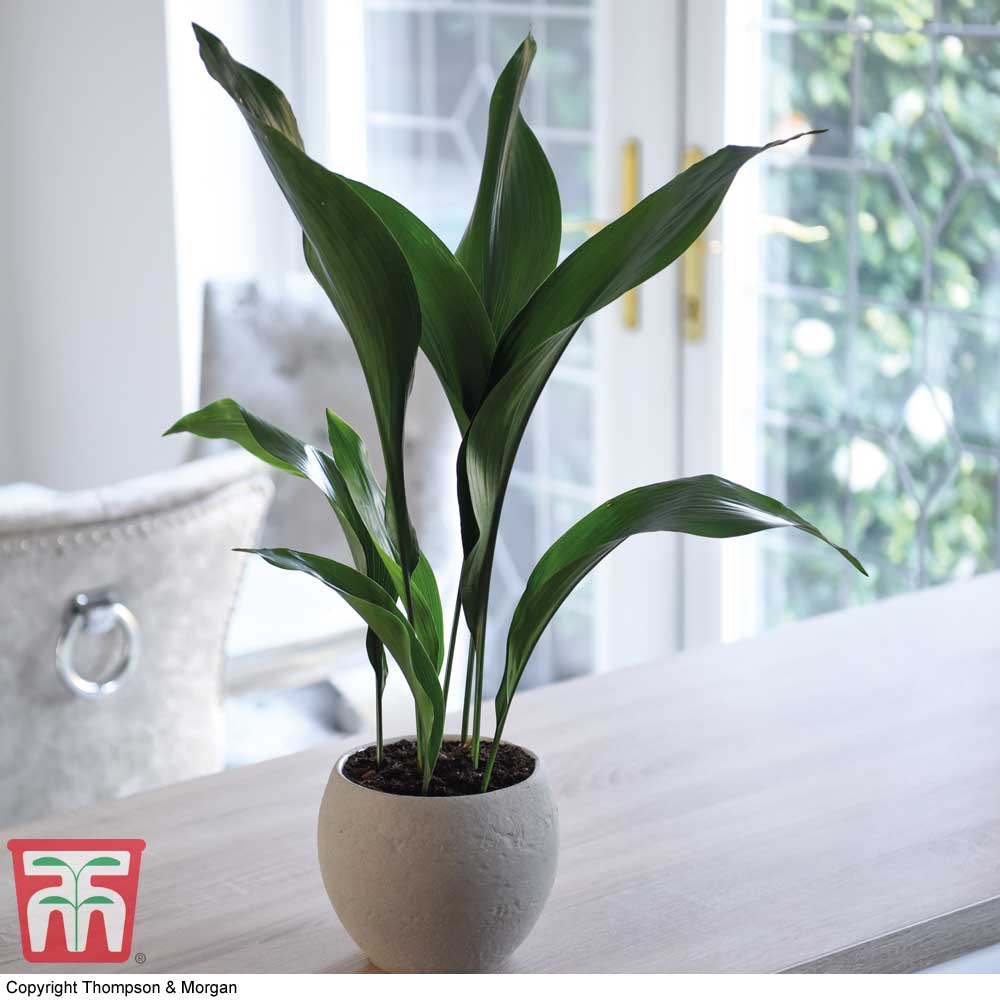
The Aspidistra boasts striking features, including:
- Colorful flowers: In the summer months, these plants produce vibrant red blooms that add a pop of color to any room.
- Green foliage: The leaves are lance-shaped and oval, providing a touch of elegance to indoor spaces.
- White variegation: Some Aspidistra varieties feature white markings on their leaves, adding visual interest.
History
The Aspidistra has been in cultivation for over 150 years. It was first discovered in the early 19th century by English botanist William Smith, who brought it back from China. The plant quickly gained popularity among British gardeners due to its ability to thrive in indoor conditions.
Price
Acquiring an Aspidistra online can be a cost-effective option, with prices ranging from €30-€50. This plant is suitable for various settings, including homes and offices.
Caring for Your Aspidistra
- Lighting: While Aspidistra can tolerate low light, it prefers bright, indirect light.
- Watering: Ensure the soil remains consistently moist but not waterlogged.
- Fertilization: Feed your plant with a balanced fertilizer during the growing season (spring and summer).
- Pruning: Remove dead or damaged leaves to maintain the plant’s appearance.
Common Issues
- Brown spots on leaves
- Yellowing leaves
- Pests
When dealing with these problems, consider the following solutions:
- Remove affected areas
- Adjust watering habits
- Use natural pest control methods
Varieties
There are two main types of Aspidistra: Elatior and Eliator. These differ in their leaf shape and appearance.
Cultivation
Aspidistra prefers temperatures between 10-20°C (50-68°F) during the day, with no direct sunlight exposure. Provide your plant with a spot receiving filtered light, away from drafts and extreme temperatures.
Propagation
Aspidistra can be propagated through division or seed germination. Division involves separating the roots of an mature plant to create new plants, while seed germination requires careful attention to humidity and temperature conditions.
Conclusion
The Aspidistra is an attractive, low-maintenance houseplant that can bring charm to any indoor space. By understanding its needs and requirements, you’ll be able to create a thriving environment for this unique plant.
Frequently Asked Questions
- What is the average lifespan of an Aspidistra?
- 5-10 years
- Can I grow Aspidistra outdoors?
- Yes, but it may not tolerate extreme temperatures or direct sunlight.
- How often should I water my Aspidistra?
- Watering frequency depends on humidity and light exposure. Generally, aim for once a week during spring and summer months.
- What pests affect Aspidistra plants?
- Common pests include spider mites, mealybugs, and aphids.
- Can I propagate Aspidistra through division?
- Yes, during the growing season (spring-fall), you can divide the roots to create new plants.
- How do I prevent Aspidistra from turning yellow?
- Overwatering or underwatering can cause this. Ensure proper watering habits and maintain consistent temperatures.
- Can Aspidistra be used for decorative purposes?
- Yes, its unique foliage adds visual interest to indoor spaces.
By following these guidelines and understanding the specific needs of your Aspidistra, you’ll be able to enjoy the benefits of this charming plant in your home or office.


