
Introduction to Waste Classification: Understanding the Basics
In Italy, the definition of waste is established by Article 183 of the December 3, 2006 Legislative Decree No. 152. This decree also introduced a “test” unique for waste management, which was later modified by Legislative Decree No. 205 on December 3, 2010. The original definition does not distinguish between recyclable and non-recyclable waste or categorize the types of waste.
The official definition of waste is: “Any substance or object that a person holds an intention to dispose of.” In other words, the distinction between a waste item and another non-waste item depends solely on the owner’s intentions. The law has thus introduced a classification system for waste.
Classification of Waste
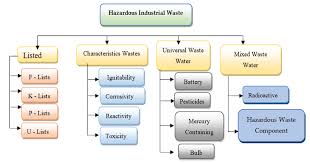
Waste can be classified into three main categories: based on origin, pericolosity, and physical state.
Classification by Origin
- Urban Waste: This type of waste is generated in urban areas and includes items such as food waste, garden waste, and other organic materials.
- Specialized Waste: Also known as hazardous or non-hazardous waste, this category comprises items that are not suitable for normal waste collection. Examples include chemical waste, batteries, and electronic waste.
Classification by Pericolosity
- Hazardous Waste: This type of waste poses a significant risk to human health and the environment.
- Non-Hazardous Waste: These materials do not pose any risks to humans or the environment.
Classification by Physical State
- Solid-Pulverulent Waste: Examples include construction debris, gravel, and sand.
- Solid Non-Pulverulent Waste: This type of waste includes items such as wood, furniture, and other solid materials.
- Fangy Palable Waste: Also known as biodegradable waste, this category comprises organic materials that can break down naturally in the environment. Examples include food waste and garden waste.
Each category of waste has its own set of specific requirements for collection, processing, and disposal.
Urban Waste: A Growing Concern
Urban waste is one of the most common types of waste generated in urban areas. It includes items such as food waste, garden waste, and other organic materials. The disposal of urban waste poses a significant risk to human health and the environment due to the presence of substances like dioxins and polycyclic aromatic hydrocarbons (PAHs).
Urban waste also contributes to pollution and climate change through greenhouse gas emissions during decomposition.
Specialized Waste: A Hazardous Category
Specialized or hazardous waste is generated by various activities such as industrial processes, medical practices, and construction work. These materials pose a significant risk to human health and the environment due to their toxicity and potential for environmental contamination.
Examples of specialized waste include:
- Chemical waste
- Batteries
- Electronic waste
- Medical waste
The proper disposal of specialized waste is crucial to prevent harm to humans and the environment.


