
In recent years, there has been a significant shift towards renewable energy sources due to their sustainability and environmental benefits. One way to harness free energy is by installing home solar or wind systems, which can significantly reduce your reliance on traditional fossil fuels. In this article, we will delve into the world of home solar and wind systems, exploring the different types, installation options, maintenance requirements, and benefits associated with these innovative technologies.
What are Home Solar and Wind Systems?
Home solar and wind systems are designed to capture and convert kinetic energy from sunlight or wind into electrical energy. These systems have become increasingly popular among homeowners and businesses due to their ability to reduce energy bills, lower carbon emissions, and increase energy independence.
Types of Home Solar Systems
There are several types of home solar systems available, including:
- Photovoltaic (PV) systems: These systems use solar panels to convert sunlight into electrical energy. PV systems are ideal for homes with high sunlight exposure.
- Concentrated photovoltaic (CPV) systems: These systems use lenses or mirrors to focus sunlight onto solar cells, increasing their efficiency and energy output.
- Solar water heaters: These systems use solar energy to heat water for domestic use, reducing the need for traditional heating methods.
Types of Home Wind Systems
Home wind systems can be categorized into three main types:
- Micro-wind turbines: These small-scale wind turbines are designed for residential use and can be installed on rooftops or in backyards.
- Mini-wind turbines: These turbines are larger than micro-wind turbines but smaller than traditional wind turbines. They are ideal for homes with a medium-sized roof space.
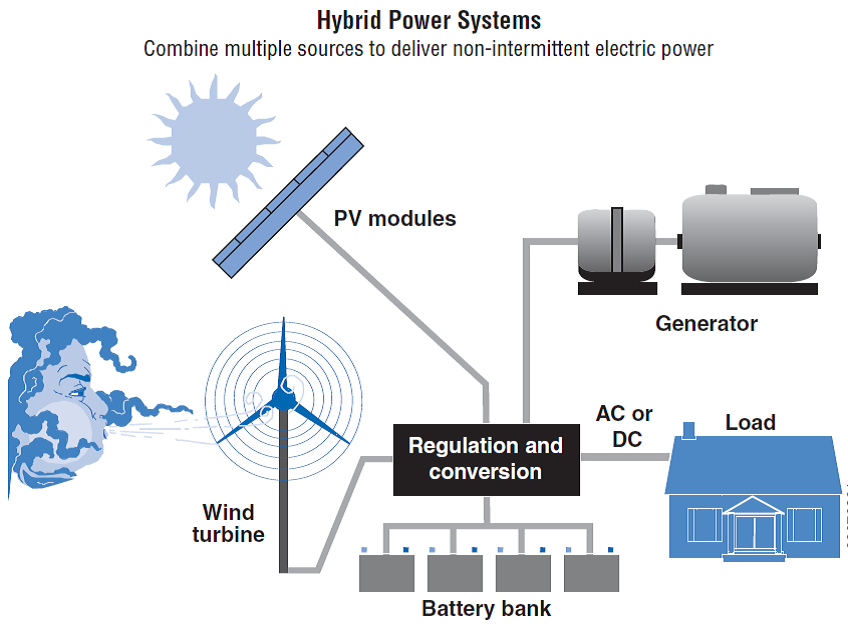
- Wind-solar hybrids: These systems combine both solar and wind energy to provide a reliable source of power.
Benefits of Home Solar and Wind Systems
The benefits of home solar and wind systems are numerous, including:
- Reduced energy bills: By generating your own energy, you can significantly reduce your reliance on traditional energy sources and lower your energy bills.
- Increased energy independence: Home solar and wind systems provide a reliable source of power, reducing your dependence on the grid and increasing your energy independence.
- Lower carbon emissions: By generating renewable energy, you can significantly reduce your carbon footprint and contribute to a cleaner environment.
Installation Options
When it comes to installing home solar or wind systems, there are several options available:
- Grid-tied systems: These systems connect directly to the grid, allowing you to sell excess energy back to the utility company.
- Off-grid systems: These systems operate independently of the grid, providing a reliable source of power for homes and businesses that don’t have access to traditional energy sources.
- Hybrid systems: These systems combine both solar and wind energy to provide a reliable source of power.
Maintenance Requirements
While home solar and wind systems are designed to be low-maintenance, regular maintenance is still essential to ensure their optimal performance:
- Cleaning the panels: Regular cleaning of solar panels is necessary to maintain their efficiency.
- Inspecting the turbine: Regular inspections of wind turbines can help identify potential issues before they become major problems.
- Updating software: Many modern home solar and wind systems require periodic updates to ensure compatibility with new technologies and grid requirements.
Challenges and Considerations
While home solar and wind systems offer numerous benefits, there are also several challenges and considerations to keep in mind:
- High upfront costs: Installing a home solar or wind system can be expensive, although the cost of installation is decreasing over time.
- Intermittent energy generation: Solar panels and wind turbines generate energy only during daylight hours and windy conditions, respectively, which can impact their reliability.
- Local regulations: Local regulations and permits may affect the installation and operation of home solar or wind systems.
Conclusion
Harnessing free energy through home solar and wind systems is a viable option for those looking to reduce their reliance on traditional energy sources. By understanding the different types, installation options, maintenance requirements, and benefits associated with these innovative technologies, you can make an informed decision about whether a home solar or wind system is right for you.
Whether you’re looking to save money on your energy bills, reduce your carbon footprint, or increase your energy independence, home solar and wind systems are an excellent choice. With the help of this comprehensive guide, you’ll be well-equipped to navigate the world of renewable energy and make a positive impact on the environment.


