
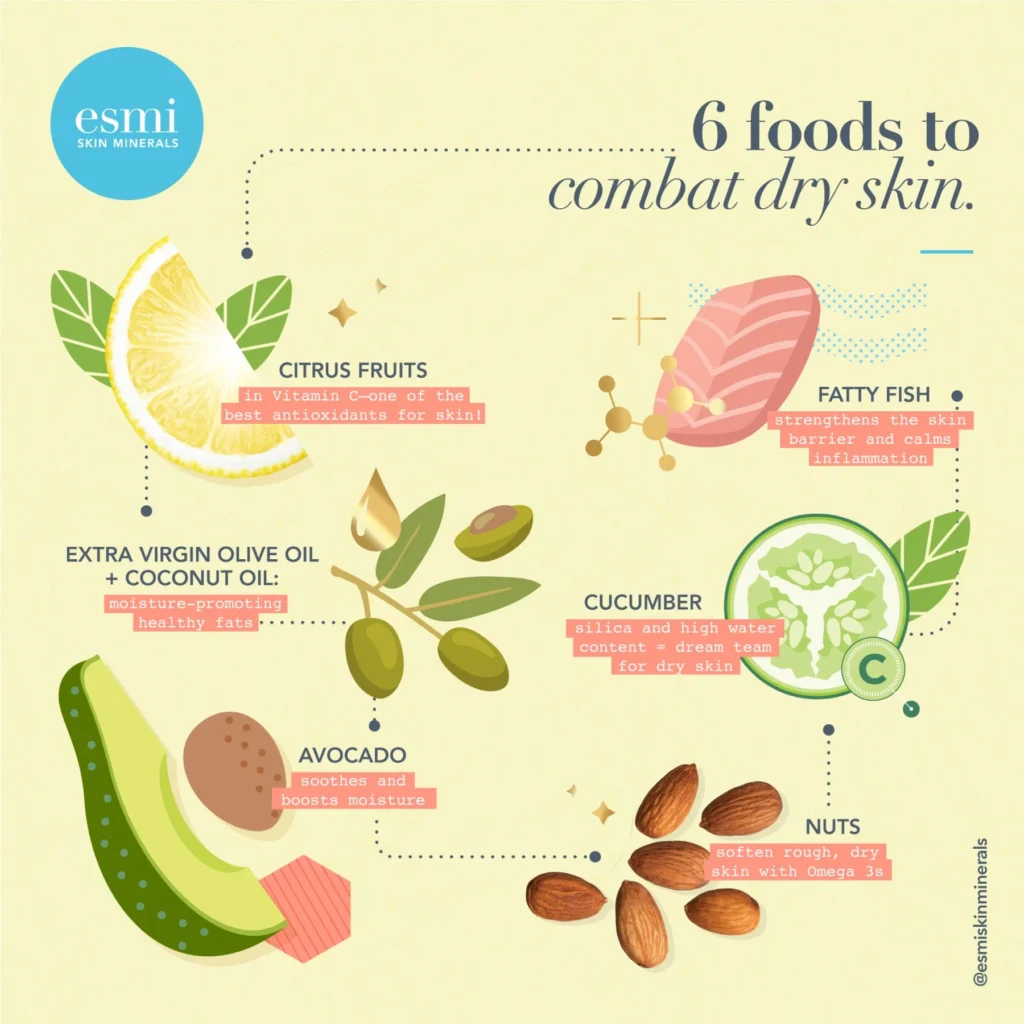
As we strive for healthy and radiant skin, many of us overlook the importance of incorporating nutrient-rich foods into our diet. These foods can help hydrate your skin from the inside out, leading to a smoother, more even-toned complexion. In this article, we’ll explore 10 delicious and nutritious foods that will nourish your skin and leave you looking and feeling amazing.
The Importance of Hydration
Just like our bodies need water to function properly, our skin needs hydration to stay healthy and balanced. However, relying solely on creams and masks can’t provide the same level of hydration as consuming nutrient-rich foods. To achieve optimal hydration, it’s essential to include these 10 food items in your daily diet.
Top 10 Hydrating Foods for Your Skin
1. Water
The first step towards hydrating your skin is to drink plenty of water throughout the day. Aim to consume at least eight glasses of water per day to keep your skin properly hydrated. However, it’s best to drink water on an empty stomach and avoid consuming it with meals, as this can interfere with digestion.
2. Avocado
Rich in vitamins, minerals, healthy fats, and antioxidants, avocados are a superfood that will leave your skin glowing. With its creamy texture, avocados make an excellent addition to smoothies, salads, and sandwiches. You can also use them as a face mask once a week to nourish and moisturize your skin.
3. Olive Oil from Flaxseed
Flaxseed oil is rich in omega-3 fatty acids, which are essential for maintaining healthy skin. This oil has anti-inflammatory properties that help reduce redness and irritation. To reap the benefits of flaxseed oil, store it in a cool, dark place to preserve its nutritional value.
4. Brewer’s Yeast
As an excellent source of vitamin B and minerals like phosphorus, calcium, silicon, zinc, and protein, brewer’s yeast is an essential supplement for healthy skin. Mixing it with other foods or taking it as a standalone supplement can help alleviate various skin issues.
5. Watermelon
With approximately 92% water content, watermelon is the ultimate hydrating food for your skin. Rich in vitamins A and C, this sweet fruit also contains lycopene, an antioxidant that helps protect against sun damage and reduces inflammation.
6. Cucumber
Not only does cucumber contain plenty of water to keep you hydrated but it’s also rich in antioxidants like vitamin E and beta-carotene, which combat free radicals and promote healthy skin. Slice up a fresh cucumber and use it as a refreshing face mask or add its juice to your favorite salad.
7. Apple
Rich in malic acid and tartaric acid, apples are excellent for removing dead skin cells and promoting cell turnover. Eat an apple a day to enjoy the numerous benefits of these fruits on your skin and overall health.
8. Pear
Pears contain plenty of water and high amounts of silicon, which is essential for maintaining healthy skin and connective tissue. Eating pears daily can reduce the need for additional supplements of silicon.
9. Elderberry Oil
Rich in antioxidants like vitamin E, elderberry oil helps protect your skin from sun damage while also reducing inflammation. Use it as a natural moisturizer or apply it to your skin after a shower to lock in hydration and nourishment.
10. Papaya
This delicious tropical fruit is not only rich in nutrients but also contains an enzyme called papain, which helps exfoliate the skin and promote healthy cell growth. Enjoy papaya as a smoothie or slice it up for a refreshing snack.
Benefits of Hydrating Foods on Your Skin
Consuming hydrating foods can lead to numerous benefits for your skin, including:
- Improved skin elasticity
- Enhanced collagen production
- Reduced fine lines and wrinkles
- Softer, smoother skin texture
- Brighter, more even-toned complexion
Tips for Incorporating Hydrating Foods into Your Diet
- Start small: Begin by incorporating one or two hydrating foods into your diet each week to allow your body to adjust.
- Experiment with recipes: Try new recipes and flavor combinations to keep mealtime exciting and prevent boredom.
- Combine hydrating foods: Pair hydrating foods with other nutrient-rich ingredients, like leafy greens and lean proteins, for a well-rounded diet.
- Make hydration convenient: Keep hydrating foods on hand, such as fresh fruits and nuts, to ensure you’re always hydrated.
Conclusion: Embracing the Power of Food for Healthy Skin
While creams and masks can provide temporary hydration, incorporating these 10 nutrient-rich foods into your daily diet will lead to long-lasting, radiant results. Remember to drink plenty of water throughout the day, consume healthy fats like avocado oil, and choose a variety of colorful fruits and vegetables to maintain optimal skin health.
Frequently Asked Questions:
-
Can I substitute one hydrating food with another?
While there are many delicious options available, it’s best to explore different fruits and foods to determine what works best for your individual needs. -
How often should I consume each of these hydrating foods?
Aim to include a variety of these foods in your diet to reap the benefits of their unique nutritional profiles. Experiment with recipes and portion sizes to find what suits you best. -
Can dehydration from lack of water lead to wrinkles?
Yes, dehydration can cause premature aging signs like fine lines and wrinkles. However, incorporating hydrating foods into your diet along with adequate water consumption can significantly reduce the appearance of these visible signs of aging. -
Are there any allergens or sensitivities I should be aware of when consuming these hydrating foods?
Be mindful of individual allergies to certain fruits, vegetables, and nuts, especially if you’re new to incorporating them into your diet. Also, keep in mind that people with sensitive skin may need to limit their consumption of spicy or acidic ingredients. -
Will drinking more water than necessary lead to water retention?
Drinking an excessive amount of water can indeed cause temporary water retention. However, this typically resolves itself once you return to a balanced level of hydration. -
Can I get enough nutrients from other sources besides these hydrating foods?
While it’s ideal to consume these foods for optimal nutrition, a well-rounded diet that includes a variety of fruits, vegetables, lean proteins, and whole grains can help meet your nutritional needs. -
How quickly will I notice improvements in my skin after incorporating these hydrating foods into my diet?
Be patient! It may take several weeks or even months to see noticeable improvements in your skin. Stick to a balanced lifestyle that includes plenty of exercise, adequate sleep, and stress management for optimal results. -
Are there any other ways I can help improve the health of my skin besides incorporating these hydrating foods?
A combination of healthy living habits such as regular exercise, sun protection, gentle skincare routines, and maintaining a balanced diet will provide the best possible outcomes for your skin’s overall health and appearance.
Common Mistakes to Avoid When Hydrating Your Skin
- Overdoing it: While hydrating foods are beneficial, overconsumption can lead to digestive issues.
- Not combining with other nutrients: Failing to pair hydrating foods with other nutrient-rich ingredients can limit their benefits.
- Ignoring individual needs: Consuming hydrating foods without considering personal allergies or sensitivities can cause adverse reactions.
By following these tips and avoiding common mistakes, you’ll be well on your way to achieving healthy, hydrated skin that glows from the inside out.


