
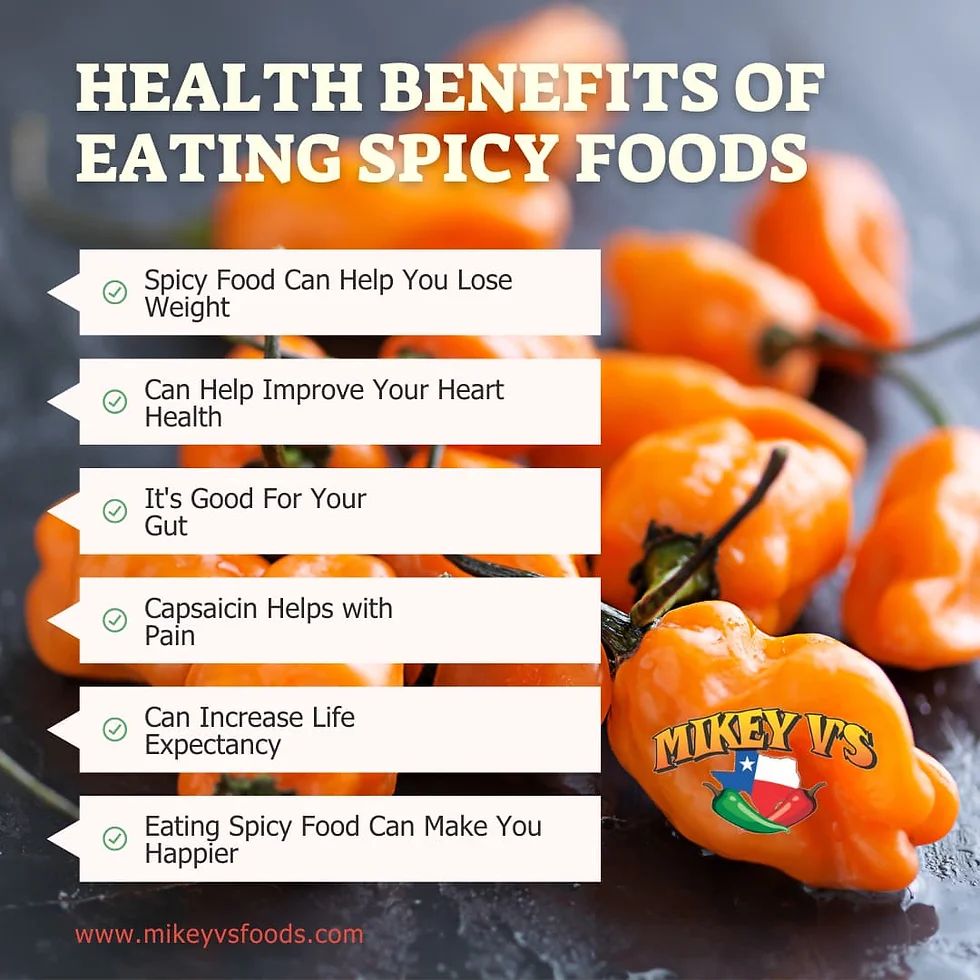
As the seasons change and autumn arrives, many of us are tempted to bring back our favorite spicy foods into our diets. But is it really safe to consume these fiery foods, which can range from ginger to wasabi and beyond? In this article, we’ll explore the characteristics of spicy foods, their potential drawbacks, and some surprising health benefits.
Understanding the Science Behind Spiciness
As a first step in understanding the impact of spicy foods on our bodies, let’s take a look at what makes them so spicy. The sensation of spiciness is primarily caused by a molecule called capsaicin, found in peppers and other plants. Capsaicin binds to receptors on the tongue and triggers a response that we perceive as heat or burning.
What Makes Foods Spicy?
Spicy foods contain specific molecules that interact with our taste receptors on the tongue and in the oral cavity. These molecules trigger a sensation of heat or burning, which is often referred to as “spiciness.” The most common culprits behind spiciness are compounds like gingerol from ginger, capsaicina from peppers, piperine from black pepper, and allyl sulfide from garlic.
The Dark Side of Spicy Foods
While spicy foods can be a delicious addition to our meals, they also have some potential drawbacks. Some people may experience direct reactions on their tissues or nervous system, leading to symptoms like:
- Heartburn and acid reflux: The capsaicina in peppers can irritate the lining of the stomach and esophagus, causing discomfort.
- Irritated mucous membranes: Spicy foods can cause inflammation in the mouth, throat, and digestive tract, potentially leading to conditions like gastritis or ulcers.
- Increased acid production: The heat from spicy foods can stimulate the production of stomach acid, which may worsen symptoms for those with conditions like acid reflux.
Spicy Foods: A Double-Edged Sword
However, spicy foods also have some surprising health benefits. For instance:
- Antioxidant properties: Many spicy compounds have antioxidant properties, which can help protect against cell damage and reduce inflammation.
- Inflammation reduction: Capsaicin has been shown to reduce inflammation in the body by inhibiting the production of pro-inflammatory enzymes.
- Neuroprotective effects: Some studies suggest that capsaicin may even have neuroprotective properties, which could help prevent or slow the progression of neurodegenerative diseases like Alzheimer’s.
The Benefits of Spicy Foods
While moderation is key when it comes to spicy foods, incorporating them into your diet can have several benefits. For example:
- Heart health: The antioxidants and anti-inflammatory compounds in spicy foods may help reduce the risk of heart disease.
- Cancer prevention: Some studies suggest that capsaicin may have anti-cancer properties, although more research is needed to confirm this.
Spicy Foods in Your Diet
To get the most out of your spicy foods, here are some tips:
- Start slow: If you’re new to spicy foods, start with small amounts and gradually increase the heat level.
- Balance with sweetness: Pair spicy dishes with sweet ingredients to balance out the flavors.
- Choose wisely: Select spices that complement your favorite recipes rather than overpowering them.
Conclusion
Spicy foods can be a delicious addition to our meals, but it’s essential to understand their potential drawbacks and benefits. By incorporating these fiery foods into your diet in moderation, you may be able to reap the rewards of improved heart health, reduced inflammation, and even antioxidant protection.
FAQs
Q: Are spicy foods bad for my stomach?
A: While spicy foods can irritate the stomach lining, they are not inherently bad for everyone. If you experience persistent discomfort or acid reflux, consider speaking with a healthcare professional about your diet.
Q: Can I use spicy foods to prevent cancer?
A: Some studies suggest that capsaicin may have anti-cancer properties, but more research is needed to confirm this link.
Q: How do I balance the heat in my dishes?
A: To balance out the flavors, try pairing spicy ingredients with sweet or sour elements, like honey, yogurt, or citrus fruits.
Q: Can I use spicy foods for inflammation reduction?
A: Capsaicin has been shown to reduce inflammation in the body by inhibiting pro-inflammatory enzymes. However, more research is needed to fully understand its effects on human health.
Q: Are spicy foods suitable for everyone?
A: While spicy foods can be a delicious addition to meals, some people may experience adverse reactions due to their individual sensitivities or medical conditions. Consult with a healthcare professional if you have concerns.
Q: Can I use spicy foods to improve my heart health?
A: The antioxidants and anti-inflammatory compounds in spicy foods may help reduce the risk of heart disease, but more research is needed to confirm this link.
Q: How can I safely incorporate spicy foods into my diet?
A: Start with small amounts, balance your flavors, and choose spices that complement your favorite recipes.


