
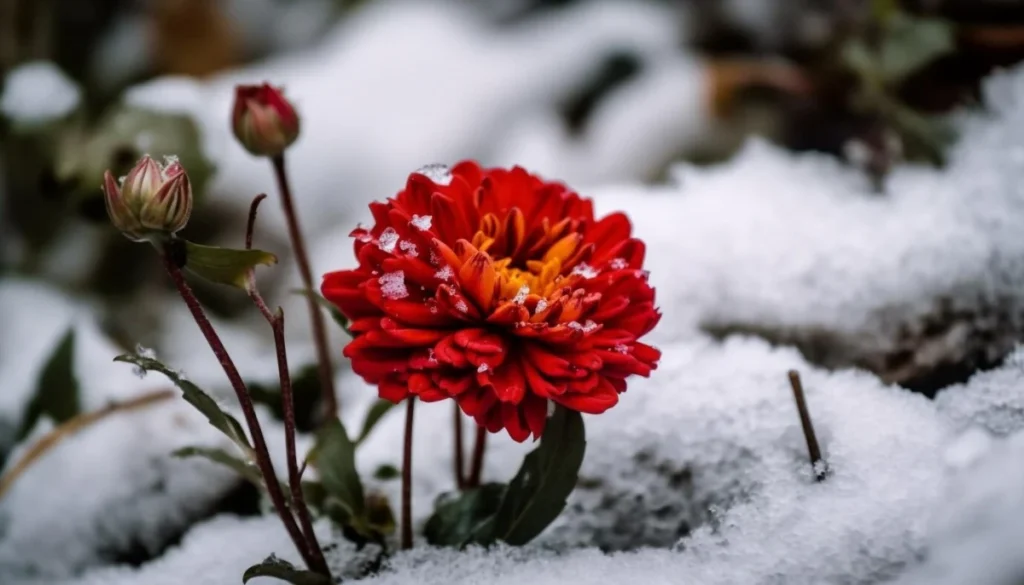
As the temperature drops, many of us are left wondering how to add some color and life to our outdoor spaces during the cold winter months. Fortunately, there are several types of plants that can tolerate frost and still bloom beautifully. In this article, we’ll explore 10 winter flowers that can withstand the cold and bring joy to your balcony or windowsill.
Introduction
The goal is often to have some flower blooms on our balconies or windowsills during the coldest months of the year, adding a touch of color and happiness to our lives. While it’s challenging, there are several types of plants that can thrive in cold weather and provide beautiful flowers.
10 Winter Flowers that Can Tolerate Cold Weather
1. Holly (Ilex aquifolium)
The holly is one of the most iconic winter flowers, known for its bright red berries on dark green leaves. While often associated with Christmas decorations, holly plants can also be used as a decorative element in your garden.
2. Narcissus
Narcissus are beautiful white flowers that bloom in late winter and early spring. They thrive in well-draining soil and prefer cooler temperatures.
3. Crocus (Crocus)
The crocus is one of the first signs of spring, often blooming through snow and ice. These small, delicate flowers come in a variety of colors, including white, yellow, and purple.
4. Calanthe
Calanthe is a type of orchid that blooms in winter, producing beautiful white or yellow flowers. It prefers well-draining soil and partial shade.
5. Erica (Phyllodendron)
Erica is a low-growing shrub with small, bell-shaped flowers in shades of pink, purple, and white. It thrives in acidic soils and partial shade.
6. Camellia
The camellia is an evergreen shrub that produces showy, rose-like flowers in shades of pink, red, and white. While it prefers well-draining soil, it can also tolerate some drought.
7. Hamamelis (Witch Hazel)
Hamamelis is a deciduous shrub with fragrant, yellow or orange flowers in the fall and winter months. It prefers moist soils and partial shade.
8. Cyclamen
Cyclamen is a type of perennials that produce heart-shaped leaves with delicate, nodding flowers in shades of pink, white, and purple. It thrives in well-draining soil and partial shade.
9. Gelsemium (Yellow Jessamine)
Gelsemium is an evergreen shrub with yellow flowers that bloom in late winter. It prefers moist soils and partial shade.
10. Viola Cornuta (Common Blue Violet)
Viola Cornuta is a low-growing perennial with delicate, blue-purple flowers that bloom in late winter. It thrives in well-draining soil and partial shade.
How to Protect Your Plants from Cold Weather
While the plants listed above can tolerate cold weather, there are some additional steps you can take to ensure their survival:
- Create windbreaks to protect your plants from harsh winds
- Water sparingly during prolonged periods of dry weather
- Bring potted plants under cover to shield them from extreme temperatures
By following these tips and choosing the right plants for your climate, you can enjoy beautiful flowers on your balcony or windowsill even in the dead of winter.
Frequently Asked Questions
Q: How long do winter flowers typically bloom?
A: The duration of winter flower blooms varies depending on the plant species. Some may last only a few weeks, while others may continue to bloom throughout the winter months.
Q: Can I grow winter flowers indoors?
A: Yes, many winter flowers can be grown indoors with proper care and attention. However, some plants may require more light and warmth than others.
Q: How often should I water my winter flowers?
A: Watering frequency depends on the specific plant species and weather conditions. As a general rule, it’s best to avoid overwatering, which can lead to root rot and other problems.
Q: Can I grow winter flowers in pots?
A: Yes, many winter flowers can be grown in pots, provided they receive adequate light, water, and nutrients.
Q: How often should I fertilize my winter flowers?
A: Fertilization frequency depends on the specific plant species and weather conditions. As a general rule, it’s best to fertilize your plants during their growing season.
Q: Can I propagate winter flowers?
A: Yes, many winter flowers can be propagated through division, cuttings, or seed. However, some plants may require special care and attention when propagating.
Q: How often should I prune my winter flowers?
A: Pruning frequency depends on the specific plant species and its growth habit. As a general rule, it’s best to prune your plants during their dormant season to promote healthy growth and prevent disease.
Tips for Choosing Winter Flowers
- Consider your climate and choose plants that are suitable for your region.
- Research the specific growing requirements of each plant species, including light, water, and fertilization needs.
- Choose a mix of flowers that will provide interest throughout the winter months.
- Consider using container gardens or pots to create a colorful display on your balcony or windowsill.
Tips for Caring for Winter Flowers
- Water your plants sparingly during prolonged periods of dry weather.
- Bring potted plants under cover to shield them from extreme temperatures.
- Fertilize your plants regularly, but avoid overfertilization.
- Prune your plants regularly to promote healthy growth and prevent disease.
Conclusion
Winter flowers can add a touch of color and happiness to our lives during the cold winter months. By choosing the right plants for your climate and following proper care and attention, you can enjoy beautiful flowers on your balcony or windowsill even in the dead of winter.


