
Introduction
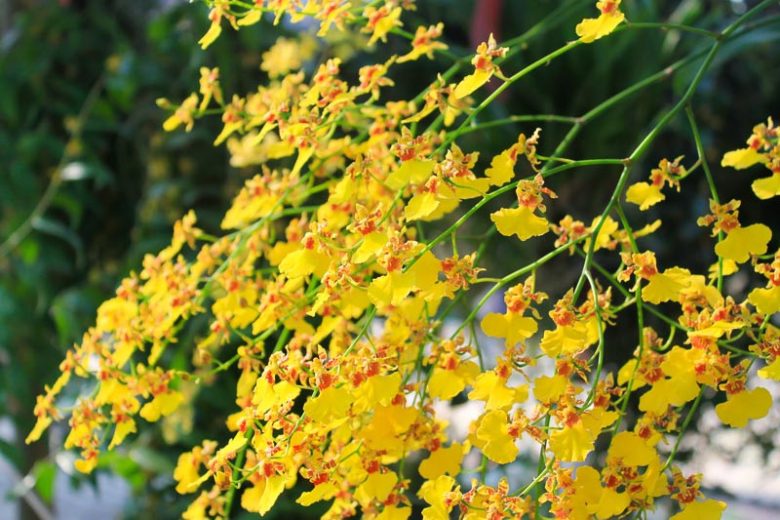
The Oncidium genus, comprising over 400 species, has gained popularity among orchid enthusiasts for its delicate and exotic appearance. Often referred to as “orchid ballerinas,” these plants have captivated growers with their unique characteristics and adaptability to various environments.
In this article, we will delve into the world of Oncidium, exploring its history, characteristics, cultivation requirements, and interesting facts about this remarkable genus.
The Origin of the Name
The name “Oncidium” originates from the Greek word “onkos,” meaning “tumor or swelling.” This refers to the thick, fleshy labelle that often covers these orchids. Despite its intimidating name, Oncidium is a delightful and fascinating genus that has captured the hearts of many orchid enthusiasts.
Characteristics
Oncidium orchids are known for their diverse species, which can be distinguished by their size, shape, and color. These plants can grow in various habitats, from tropical regions to high altitudes, where temperatures might seem inhospitable for flowers of this delicate nature.
The Oncidium genus comprises several key characteristics:
- Foliage: Leaves are often flat, but some species exhibit cylindrical or fan-shaped foliage.
- Flowers: These orchids display a wide range of colors, including yellow, white, and rare red or pink varieties. Sepals and petals are contracted at the base and have an undulating shape.
- Growth Habit: Some species may appear as epiphytes, with pseudobulbs that can be flat or cylindrical.
Cultivation Requirements
When growing Oncidium orchids, it’s essential to provide them with suitable conditions:
- Air Circulation: A gentle breeze is necessary for healthy growth.
- Temperature: Optimal temperatures vary between species; research specific requirements for each type.
- Lighting: Bright light is crucial, but excessive direct sunlight can be detrimental.
- Watering: Maintain a consistent moisture level, avoiding overwatering and root rot.
- Fertilization: Use balanced fertilizers at the right time to promote healthy growth and blooming.
Tips for Growing Oncidium Orchids
To ensure success when growing these delicate orchids:
- Choose a well-draining potting mix specifically designed for epiphytes.
- Repot every 2-3 years to refresh the soil and provide a larger pot if necessary.
- Prune old flower spikes after blooming to encourage new growth.
Interesting Facts
Oncidium orchids have an intriguing history:
- They were among the first tropical epiphyte orchids introduced to Europe.
- The genus was named in honor of Olaf Swartz, a Swedish botanist who discovered many species.
FAQs
Q: What is the best type of potting mix for Oncidium orchids?
A: A well-draining epiphyte potting mix specifically designed for these plants will help prevent root rot.
Q: How often should I repot my Oncidium orchid?
A: Every 2-3 years, or when the plant has outgrown its container and needs fresh soil.
Q: What is the optimal temperature range for growing Oncidium orchids?
A: Research specific requirements for each species to ensure optimal growth and blooming.
Q: Can I grow Oncidium orchids indoors?
A: Yes, but provide bright, indirect light and maintain a consistent moisture level.
Q: How often should I fertilize my Oncidium orchid?
A: Use balanced fertilizers at the right time (usually when flowering) to promote healthy growth and blooming.
Q: Can I propagate Oncidium orchids through division?
A: Yes, but be sure to research specific techniques for each species to avoid damaging the roots.
Q: What are some common pests that affect Oncidium orchids?
A: Aphids, mealybugs, and spider mites can infest these plants; research control methods for your local region.
Species Highlights
Some of the most popular Oncidium species among growers include:
- Oncidium cactiferum: A terrestrial Oncidium species with bright yellow flowers.
- Oncidium fasciculatum: An epiphytic species with delicate, fragrant white flowers.
- Oncidium flexuosum: A terrestrial species with long-lasting, brightly colored flowers.
Cross-Pollination and Hybridization
Many Oncidium orchids can be cross-pollinated or hybridized to create new and unique varieties:
- Research specific techniques for each species to ensure successful cross-pollination.
- Be cautious when introducing hybrids into your collection, as they may not perform as expected.
Propagation Methods
There are several methods for propagating Oncidium orchids, including:
- Division: Carefully divide mature plants to create new offsets or crowns.
- Keiki cutting: Cut keikis from parent plants to create new offspring.
- Seed germination: Plant seeds in a well-draining potting mix and maintain optimal conditions.
By understanding the unique characteristics and cultivation requirements of Oncidium orchids, you can create a thriving environment for these delicate flowers. Remember to research specific needs for each species, and don’t hesitate to ask for advice from experienced growers or local nurseries.
Conclusion
The Oncidium genus is a fascinating group of orchids that have captivated growers with their unique characteristics and adaptability to various environments. By understanding the history, characteristics, cultivation requirements, and interesting facts about these plants, you can create a thriving environment for your own Oncidium ballerinas.


