
As we talk about dead birds, poultry diseases, and chickens, it’s hard to avoid mentioning the word aviaria. Avian influenza returns to Italy periodically, decimating avicultural farms.
What is Avian Influenza?
Avian influenza, or bird flu, is a viral disease that affects certain species of birds, both domesticated and wild. This contagious illness has no geographical boundaries and can affect entire regions across the country.
Just like human influenza, avian influenza is spread through contact with infected birds or contaminated surfaces. The virus can be transported from one area to another through the movement of infected birds or as a result of migratory birds.
The term “aviaria” originates from the Latin word “avis,” meaning bird. This disease is also known as poultry plague.
Avian Influenza in Italy
Avian influenza is a virus that causes pandemic-like influenzal forms in animals, similar to swine fever or avian flu.
When discussing viral influenza aviaia, we’re actually referring to several different viruses because of their various mutations. These mutated strains are born from the original virus and can emerge frequently. The avian influenza viruses can be either highly pathogenic or low-pathogenic. In the first case, the virus leads to high mortality rates and significant damage to avicultural farms. If the virus is low-pathogenic, we encounter minor issues.
In Italy, avian influenza arrived in the 1990s but didn’t gain much attention until 2005. At the end of the 1990s, there were outbreaks of avian flu at low pathogenicity across the country.
However, in 2005, we saw our first outbreaks of high-pathogenicity virus that led to the deaths of hundreds of thousands of birds. Although measures were taken to contain the outbreak, even today, there are scattered outbreaks of influenza aviaria in various regions of Italy.
Symptoms of Avian Influenza
Unfortunately, there are no premonitory symptoms: death is sudden and unexpected. Symptoms are relatively rare.
When symptoms do occur, they affect the respiratory system: difficulty breathing, head drooping on the neck, nasal discharge or bleeding, loss of appetite, loss of interest in eating, and ruffled feathers… the bird becomes sedentary and stops eating.
Diagnosing Avian Influenza
To diagnose avian influenza, a veterinarian will typically collect samples from the affected birds, such as throat swabs, blood samples, or lung tissue. These samples are then sent to a laboratory for analysis, where they can be detected using various techniques, including PCR (polymerase chain reaction) and ELISA (enzyme-linked immunosorbent assay).
Avian Influenza in Humans
In 1997, it was demonstrated that avian influenza virus can infect humans. But which one? There are several strains, and human transmission is not always guaranteed.
Most cases of human infection occur in 2005 in China due to poor hygiene conditions and close contact between infected birds, people, and pigs. This same virus has led to the transmission of humans to swine.
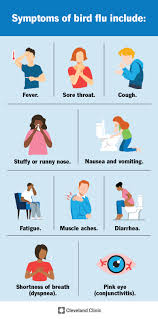
In humans, avian influenza symptoms resemble those of seasonal flu: coughing, sneezing, headaches, muscle pain, and fever…
In severe cases, human avian influenza can be fatal.
Avian Influenza in Humans: A Growing Concern
The risk of human-to-human transmission is still a concern, particularly during outbreaks. While the majority of cases are mild, there have been instances where infected individuals have transmitted the virus to others, highlighting the need for increased vigilance and precautions.
To mitigate the risk of transmission, public health authorities have implemented various measures, such as enhanced surveillance, contact tracing, and quarantine protocols.
Avian Influenza in Humans: Treatment and Prevention
Treatment for avian influenza in humans typically involves supportive care, such as antiviral medications, oxygen therapy, and fluid replacement. In severe cases, hospitalization may be necessary to manage complications.
Prevention measures for human avian influenza include:
- Avoiding close contact with infected birds or contaminated surfaces
- Practicing good hygiene, including frequent hand washing
- Wearing personal protective equipment (PPE) when handling birds or contaminated materials
- Implementing enhanced cleaning and disinfection protocols in poultry facilities
High-Risk Avicultural Farms
Intensive farms are at high risk. Overcrowding and stress make these environments more susceptible to infection. Frequent outbreaks occur in intensive systems compared to extensive or small-scale farms (low intensity).
Although this is the case, there are still cases of avian influenza among domestic chickens.
To prevent avian influenza, annual monitoring plans are implemented. What do these plans include? Random sampling of farms by analyzing biological material from selected animals.
Notification to Local Health Authorities
Even if you have a single chicken in your backyard, it’s recommended that you notify the local health authority (ASL) where you live. According to law, every chicken farm must be registered with local authorities.
How do I report my family chicken coop? Simply visit the ASL office and fill out the relevant form. No special documents are required: just your personal details, location of the chicken coop, number of chickens, and type of chicken kept.
Conclusion
In conclusion, avian influenza is a serious disease that affects birds worldwide. We can all play a role in preventing its spread by understanding the risks and taking preventive measures.
Stay safe!
FAQs
Q: How does avian influenza spread among humans?
A: Avian influenza viruses are highly contagious and can be transmitted from infected animals to humans through close contact or contaminated surfaces.
Q: What are the symptoms of avian influenza in humans?
A: Symptoms include coughing, sneezing, headaches, muscle pain, and fever…
Q: Which farms are at risk of contracting avian influenza?
A: Intensive poultry farms are more susceptible due to overcrowding and stress.
Q: Can I get avian influenza from a single chicken in my backyard?
A: While it’s unlikely, you should still report any signs of illness to your local health authority.
Q: How can I prevent the spread of avian influenza?
A: By understanding the risks, taking preventive measures, and following proper hygiene practices.
Q: Can avian influenza be prevented in poultry farms?
A: Yes, by implementing monitoring plans, maintaining cleanliness, and using protective equipment.


