
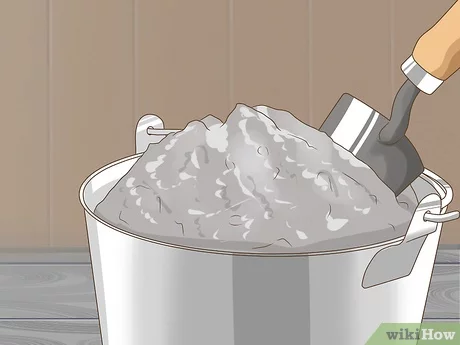
Lye, also known as lye soap, is a natural cleaning agent that has been used for centuries. It’s created by reacting wood ash with water, resulting in sodium hydroxide (NaOH) or potassium hydroxide (KOH). In this article, we’ll delve into the process of making lye from wood ash and explore its various uses.
What is Lye?
Lye is a strong alkaline substance that can be used as a natural cleaner, degreaser, and soap maker. It’s commonly produced by reacting wood ash with water, which releases sodium hydroxide (NaOH) or potassium hydroxide (KOH). These hydroxides have potent cleaning properties and are often used in industrial applications.
Uses of Lye
Lye is not just limited to soap making; it has numerous other uses:
- Alimentary: Used as an acid regulator in food production
- Disinfectant: Effective against bacteria, viruses, and fungi
- Cleaning agent: Removes grease and grime from surfaces
- Pharmaceutical: Used in the production of certain medications
However, lye should be handled with caution due to its corrosive nature. Improper use can lead to severe injuries or even fatalities.
Making Lye at Home
While it’s possible to purchase sodium hydroxide (NaOH) or potassium hydroxide (KOH) online, many soap makers prefer to create their own lye from wood ash. This process involves several steps:
- Collecting wood ash: Gather dry, hardwood ashes and mix them with water to create a solution.
- Separating the liquid: Use cheesecloth or a fine-mesh sieve to separate the liquid from the solids.
- Filtering the liquid: Filter the liquid through a coffee filter or paper towel to remove any remaining impurities.
Methods for Making Lye
There are two primary methods for making lye:
- Method A: Cold Process
- Collect and mix wood ash with water
- Wait for 3-6 weeks in summer and 6-8 weeks in winter
- Strain the liquid through cheesecloth or a fine-mesh sieve
- Filter the liquid again using coffee filters or paper towels
- Method B: Hot Process
- Collect and mix wood ash with water
- Boil the mixture for 2 hours, stirring frequently
- Let it cool and separate the liquid from the solids
- Filter the liquid through a coffee filter or paper towel
Safety Precautions
When handling lye, it’s essential to take safety precautions:
- Wear protective gloves, goggles, and clothing
- Work in a well-ventilated area with proper airflow
- Avoid skin contact and inhalation of fumes
By following these guidelines and taking necessary safety precautions, you can create your own lye from wood ash and explore the many uses of this versatile substance.
Advantages of Making Lye at Home
Making lye at home offers several advantages:
- Cost-effective: Purchasing sodium hydroxide or potassium hydroxide can be expensive, while making it at home is relatively inexpensive.
- Customization: By creating your own lye, you can adjust the concentration and pH level to suit your specific needs.
- Environmental benefits: Using wood ash as a source of lye reduces waste and promotes sustainability.
Common Challenges When Making Lye
While making lye at home can be rewarding, there are several common challenges to be aware of:
- Inconsistent results: The quality and quantity of the resulting lye can vary depending on factors like the type of wood ash used.
- Safety concerns: Handling lye requires proper precautions, and improper use can lead to accidents or injuries.
- Storage and disposal: Storing lye safely and disposing of it properly are crucial for maintaining a clean and healthy environment.
Tips for Successful Lye Production
To ensure successful lye production, consider the following tips:
- Use high-quality wood ash with minimal contaminants
- Follow proper safety protocols when handling lye
- Monitor the pH level and concentration of the resulting lye
- Store lye in airtight containers to prevent contamination
Conclusion
Lye is an incredible substance that offers numerous benefits as a natural cleaner, degreaser, and soap maker. By understanding its properties, uses, and production methods, you can unlock the full potential of lye in your daily life.
By following these guidelines, tips, and precautions, you can safely create lye from wood ash and explore its many applications.
Frequently Asked Questions (FAQs)
- What are the different types of lye available?
- Sodium hydroxide (NaOH) and potassium hydroxide (KOH)
- How do I handle lye safely?
- Wear protective gear, work in a well-ventilated area, and avoid skin contact
- Can I use lye to clean surfaces directly?
- No, lye needs to be diluted with water before using it as a cleaning agent
- What are some common uses of lye besides soap making?
- Alimentary, disinfectant, and pharmaceutical applications
- How do I store lye safely?
- In airtight containers away from children and pets


