
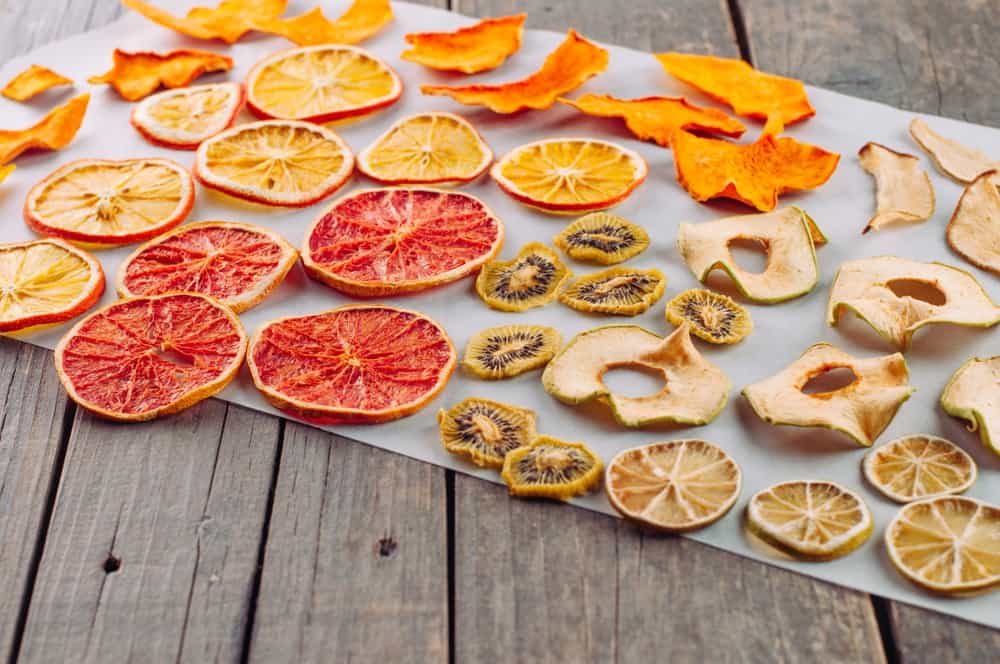
Making Dried Fruit at Home: A Guide to Preparing Healthy Snacks
The dried fruit that was once a niche product, now readily available in various mixes and flavors, is no longer a novelty. With its numerous health benefits, it’s time to learn how to prepare dried fruit at home, saving money and enjoying your favorite fruits.
Properties of Dried Fruit
Dried fruit, also known as dehydrated or desiccated fruit, has lost most of its water content. Whether using an electric dehydrator or exposing the fruit to sunlight, the process is similar. The type of fruit doesn’t matter; all can be dried, and they can be enjoyed raw or used in recipes.
When preparing dried fruit at home, you’ll need to consider the nutritional values, as they’ve changed significantly due to dehydration. Nutrients like vitamins, minerals, and fiber have decreased while the sugar content has increased. To make the most of this process, it’s essential to calculate the new nutritional profile for each type of dried fruit.
Preparing Dried Fruit at Home
There are several methods to dry fruit:
- Electric Dehydrator: A dehydrator is a simple and efficient way to dry fruits. You can find them online or in local stores, ranging from $30 to $200.
- Sunlight: This method requires more time and patience but is an excellent alternative. Choose a sunny spot with low humidity (50% or less) and temperatures between 30°C to 40°C.
Recipe: Homemade Dried Fruit Salad
Try this delicious and healthy recipe using dried fruit, nuts, and seeds.
Ingredients:
- 150g of rolled oats
- 100g of mixed dried fruits (almonds, cranberries, apricots)
- 50g of honey
Combine the ingredients in a bowl and enjoy as a snack or add to your favorite recipes.
Tips for Choosing Dried Fruit
When shopping for dried fruit, look for products with minimal added sugars and no preservatives. You can find them at local health food stores, online marketplaces, or even in some supermarkets.
While some may question the nutritional value of dried fruit, it’s essential to recognize its benefits and limitations. With a little creativity and experimentation, you can enjoy this delicious snack while maintaining a healthy lifestyle.
Frequently Asked Questions
Q: Is dried fruit a healthier alternative to fresh fruit?
A: While it’s not as nutrient-rich as fresh fruit, dried fruit is still a good source of fiber, vitamins, and minerals. However, it’s essential to consume it in moderation due to its higher sugar content.
Q: Can I dry fruit at home without an electric dehydrator?
A: Yes! You can use sunlight or other methods like using a fan to speed up the drying process.
Q: What types of dried fruits should I try first?
A: Start with common varieties like raisins, apricots, and prunes. Experiment with different fruits and flavor combinations to find your favorite recipes.
Q: Is it safe to store dried fruit at home for an extended period?
A: Yes! Dried fruit can be stored for several months when kept in airtight containers and away from direct sunlight.
Q: Can I use dried fruit in savory dishes?
A: Absolutely! Dried fruit can add natural sweetness and flavor to salads, stir-fries, or other savory recipes. Experiment with different fruits and spices to find your favorite combinations.
Q: Are there any benefits to using organic dried fruit?
A: Yes! Organic dried fruit is free from pesticides and artificial additives, making it a healthier choice for those who prioritize their well-being.
Nutritional Comparison
To understand the nutritional differences between fresh and dried fruit, let’s take apples as an example. A medium-sized apple contains 4 grams of fiber, while its dried version contains only 1 gram due to dehydration. However, some studies suggest that the fiber content in dried apples can be restored by adding a small amount of water or other liquid.
Dried Fruit vs. Fresh Fruit: Nutrient Comparison
| Nutrients | Fresh Fruit | Dried Fruit |
|---|---|---|
| Fiber | 4 grams (apple) | 1 gram (dried apple) |
| Vitamin C | 100 mg (orange) | 0 mg (dried orange) |
| Potassium | 422 mg (banana) | 150 mg (dried banana) |
As you can see, dried fruit is not as nutrient-rich as fresh fruit. However, it still provides some essential vitamins and minerals. To make the most of this process, it’s crucial to consume dried fruits in moderation and combine them with other foods for a balanced diet.
Choosing the Right Drying Method
When choosing the right drying method, consider your available time, resources, and desired outcome. Here are some factors to keep in mind:
- Electric Dehydrator: Faster drying times (4-6 hours) and better temperature control.
- Sunlight: Longer drying times (8-12 hours) but no electricity costs or storage space required.
- Air Drying: A simple, low-cost method but may require more time (24-48 hours).
Dried Fruit Recipes
Get creative with your dried fruit and try these delicious recipes:
- Homemade Trail Mix: Combine dried fruits, nuts, seeds, and a few chocolate chips for a tasty snack.
- Dried Fruit Leather: Use pureed fruit to make a healthy alternative to traditional fruit roll-ups.
- Stuffed Dates: Fill dates with almond butter or peanut butter for a sweet treat.
Conclusion
Making dried fruit at home is an easy and rewarding process that allows you to control the nutritional content and flavor of your snacks. With this guide, you’ll be well on your way to creating healthy, delicious treats that are perfect for snacking on the go.


