
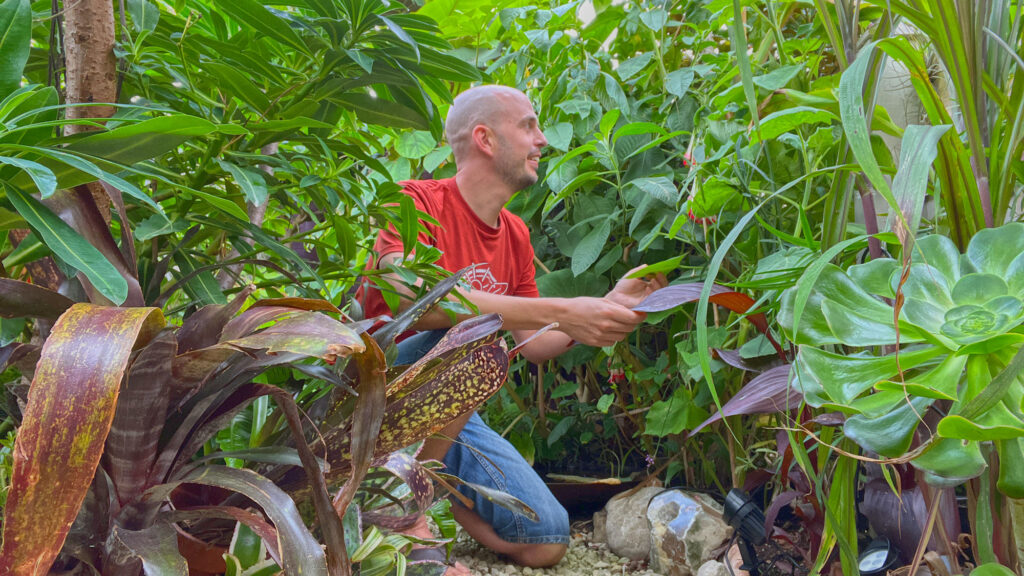
Are you looking for plants that can add a touch of exotic beauty to your garden? Look no further than tropical plants! These plants are perfect for adding a splash of color and life to your outdoor space, and the best part is that they’re relatively easy to care for.
In their natural habitat, tropical plants thrive in dense foliage and vibrant colors. But with the right care and attention, you can bring this same beauty into your own home. In this article, we’ll explore some of the most beautiful and low-maintenance tropical plants that are perfect for adding to your garden.
The Top 10 Tropical Plants for Your Garden
Here are ten stunning tropical plants that are easy to grow and maintain:
- Macleaya x kewensis
This plant is known for its striking red flowers and robust leaves, making it a popular choice for gardens. It’s relatively small, growing up to 2 meters tall, and can tolerate frost down to -20°C. - Fatsia japonica
Also known as the “Spider’s Web” or “Aralia del Giappone,” this plant is a stunning evergreen that thrives in shaded areas. Its large, variegated leaves make it a standout in any garden. - Trachycarpus fortunei
Palms are always a popular choice for gardens, and Trachycarpus fortunei is no exception. This palm can grow up to 5 meters tall but can also be pruned down to create a smaller, more manageable plant. - Phyllostachys vivax aureocaulis
This variety of bamboo is characterized by its striking golden-yellow culms and fronds. It’s perfect for creating a natural screen or border in your garden. - Polystichum setiferum
Also known as the “Felce Setifera,” this plant is an evergreen that thrives in shaded areas. Its large, leathery leaves make it a striking addition to any garden. - Kalopanax septemlobus maximowiczii
This plant can grow up to 10 meters tall and produces small white flowers. It’s perfect for creating a dramatic backdrop or screen in your garden. - Aloe polyphylla
If you’re looking for a low-maintenance succulent, Aloe polyphylla is a great choice. Its thick, fleshy leaves make it perfect for indoor containers as well as outdoor gardens. - Phormium tenax
Also known as the “Lino della Nuova Zelanda,” this plant has striking, sword-shaped leaves that can grow up to 1 meter long. It prefers full sun and can tolerate frost down to -10°C. - Schefflera arboricola
This plant can be pruned into a variety of shapes and sizes, making it perfect for adding interest to any garden. Its striking, umbrella-shaped leaves make it a standout in shaded areas. - Yucca linearifolia
If you’re looking for a tough, low-maintenance plant that can withstand frost, Yucca linearifolia is a great choice. Its striking, sword-shaped leaves make it perfect for adding a touch of drama to any garden.
Benefits of Growing Tropical Plants
Growing tropical plants offers a range of benefits for your garden and the environment. Some of these benefits include:
- Improved air quality: Tropical plants are known to absorb carbon dioxide and release oxygen, improving the air quality in your garden.
- Reduced noise pollution: The rustling of leaves and chirping of birds can help to mask background noise pollution.
- Increased biodiversity: Tropical plants attract a range of wildlife, including bees, butterflies, and birds, increasing biodiversity in your garden.
- Improved aesthetic appeal: Tropical plants are known for their vibrant colors and striking shapes, adding visual interest and beauty to your garden.
Tips for Growing Tropical Plants
Growing tropical plants requires some special care, but with the right techniques, you can enjoy their beauty all year round. Here are some tips for growing tropical plants:
- Choose a location that receives plenty of sunlight: Most tropical plants require full sun to partial shade, so choose a location that receives at least 4-6 hours of direct sunlight per day.
- Use a well-draining potting mix: Tropical plants prefer well-draining soil to prevent root rot. Use a potting mix that contains organic matter and perlite or sand for added drainage.
- Water regularly, but avoid overwatering: Water your tropical plants regularly, but make sure not to overwater. This can lead to root rot and other problems.
- Fertilize regularly with a balanced fertilizer: Feed your tropical plants with a balanced fertilizer to promote healthy growth and development.
- Prune regularly to maintain shape and encourage new growth: Pruning is an essential part of caring for tropical plants. Regular pruning will help maintain shape, encourage new growth, and prevent overgrowth.
Common Problems with Tropical Plants
While growing tropical plants can be rewarding, there are some common problems that you may encounter. Here are some of the most common issues:
- Root rot: Overwatering is a common cause of root rot in tropical plants. Make sure to water carefully and avoid getting water on the leaves.
- Pests and diseases: Tropical plants can be susceptible to pests like spider mites, mealybugs, and scale. Regularly inspect your plants for signs of infestation and treat promptly if necessary.
- Overgrowth: Some tropical plants can grow quite tall and may require regular pruning to maintain shape. Make sure to prune regularly to prevent overgrowth.
Conclusion
Tropical plants are the perfect way to add a touch of exotic beauty to your garden. With their striking colors, unique shapes, and low-maintenance care requirements, they’re perfect for anyone looking to add some excitement to their outdoor space. By following these tips and choosing the right plant for your climate and soil type, you can enjoy the beauty of tropical plants all year round.
Frequently Asked Questions
Q: Are all tropical plants suitable for indoor containers?
A: No, not all tropical plants are suitable for indoor containers. Some, like Kalopanax septemlobus maximowiczii, can grow quite tall and require a lot of space.
Q: Can I grow tropical plants in areas with frost?
A: Yes, some tropical plants, like Trachycarpus fortunei and Phormium tenax, can tolerate frost down to -10°C or colder. However, it’s still important to choose varieties that are specifically bred for cold climates.
Q: How often should I water my tropical plants?
A: Watering frequency will depend on the specific plant variety, climate, and soil type. As a general rule, water your tropical plants regularly, but avoid overwatering, which can lead to root rot.
Q: Can I grow tropical plants in shaded areas?
A: Yes, many tropical plants thrive in shaded areas. Fatsia japonica and Schefflera arboricola are two popular choices for shaded gardens.
Q: How often should I fertilize my tropical plants?
A: Fertilizing frequency will depend on the specific plant variety and growth rate. As a general rule, fertilize your tropical plants regularly with a balanced fertilizer to promote healthy growth.
Q: Can I propagate tropical plants using cuttings or division?
A: Yes, some tropical plants can be propagated using cuttings or division. For example, Aloe polyphylla can be easily propagated by taking leaf cuttings and allowing them to dry before planting.
Q: How often should I prune my tropical plants?
A: Pruning frequency will depend on the specific plant variety and growth rate. As a general rule, prune your tropical plants regularly to maintain shape, encourage new growth, and prevent overgrowth.
Q: Can I grow tropical plants in poor soil?
A: Yes, some tropical plants can tolerate poor soil conditions. However, it’s still important to choose varieties that are specifically bred for poor soils and provide regular fertilization and care.
Planting Tropical Plants
If you’re new to growing tropical plants, here are some tips for planting them successfully:
- Choose a container with good drainage: Make sure the container has holes in the bottom to allow excess water to drain.
- Use a well-draining potting mix: Use a potting mix that contains organic matter and perlite or sand for added drainage.
- Water carefully: Water your tropical plants regularly, but avoid getting water on the leaves.
- Provide full sun to partial shade: Most tropical plants require full sun to partial shade, so choose a location that receives at least 4-6 hours of direct sunlight per day.
By following these tips and choosing the right plant for your climate and soil type, you can enjoy the beauty of tropical plants in your garden. Happy planting!


