
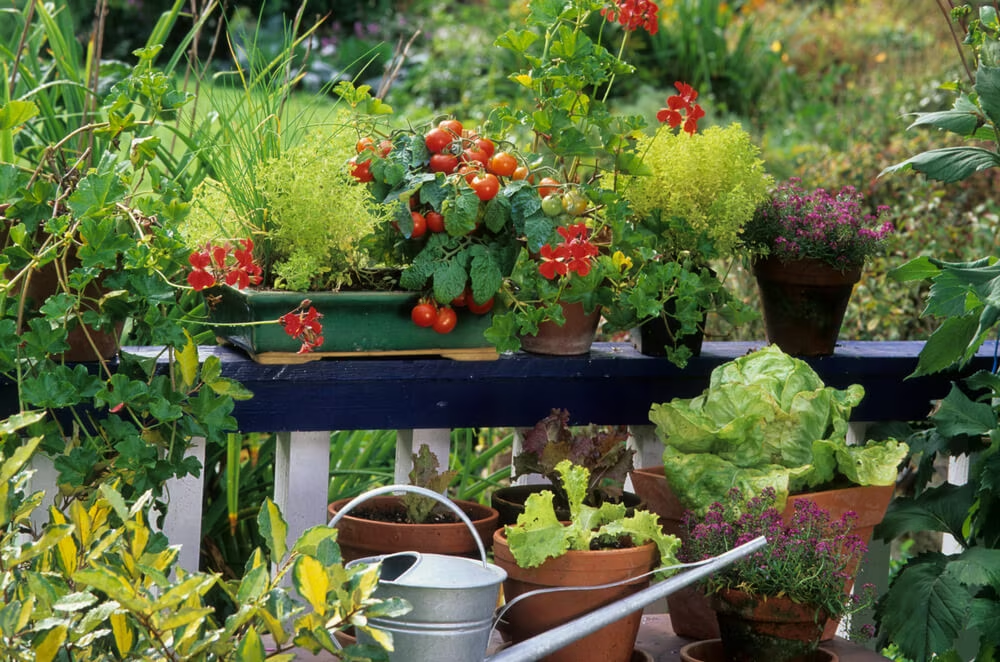
As the demand for fresh produce continues to grow, many people are turning to balcony gardening as a way to have access to healthy, homegrown food. But with limited space, it can be challenging to decide which vegetables to grow. In this article, we’ll explore 10 easy-to-grow vegetables that thrive in containers and provide you with the tools you need to start your own balcony garden.
Why Grow Vegetables on Your Balcony?
Growing vegetables on your balcony offers numerous benefits, including:
- Freshness: By growing your own vegetables, you can enjoy them at their peak freshness and flavor.
- Nutrition: Homegrown produce is often higher in nutrients and antioxidants than store-bought options.
- Space-saving: Container gardening allows you to grow a variety of vegetables in small spaces, making it perfect for balcony gardens.
Benefits of Balcony Gardening
Balcony gardening offers several benefits that make it an attractive option for urban gardeners. Some of the benefits include:
- Low maintenance: Container gardens require less maintenance than traditional gardens, as they don’t need to be tilled or weeded.
- Increased yield: With limited space, you can produce a higher yield per square foot compared to traditional gardening methods.
- Improved air quality: Plants absorb carbon dioxide and release oxygen, improving the air quality around your balcony.
- Stress relief: Gardening has been shown to reduce stress levels and improve mental health.
10 Easy-to-Grow Vegetables on Your Balcony
- Lettuce (Romaine, Green Leaf, or Buttercrunch)
Start with loose-leaf lettuce varieties that are easy to sow and require minimal maintenance. Lettuce prefers partial shade and consistent moisture. - Cherry Tomatoes
Cherry tomatoes are a popular choice for balcony gardens due to their compact size and high yields. Look for dwarf or patio tomato varieties that produce fruit within 60 days of sowing. - Radishes (Cherry Belle or White Icicle)
Radishes are fast-growing and can be harvested in as little as 20 days. They prefer well-draining soil and full sun. - Herbs (Basil, Cilantro, Parsley, or Mint)
Choose a variety of herbs that thrive in containers and provide them with plenty of sunlight. Herbs like mint and cilantro can be invasive, so make sure to contain them. - Peppers (Bell Boy or Thai Hot Pepper)
Small pepper varieties are perfect for balcony gardens, as they require minimal support and produce fruit within 70-80 days. - Carrots (Parisienne or Thumbelina)
While carrots require deeper soil, there are compact varieties like Parisienne and Thumbelina that can thrive in containers with good drainage. - Beets (Detroit Dark Red or Chioggia)
Beets are another root vegetable that can be grown in shallow containers. Look for varieties like Detroit Dark Red or Chioggia, which produce sweet and earthy roots. - Spinach (Space or Tyee)
Spinach is a cold-hardy crop that prefers partial shade and consistent moisture. Choose compact varieties like Space or Tyee, which produce leaves within 20-30 days of sowing. - Green Beans (Bush Blue Lake or Kentucky Wonder)
While green beans require more support than other vegetables, there are bush varieties like Bush Blue Lake or Kentucky Wonder that can thrive in containers with a trellis. - Peas (Sugar Snap or Snow Pea)
Sugar snap peas and snow peas are excellent choices for balcony gardens, as they produce pods within 50-60 days of sowing and require minimal support.
Tips for Growing Vegetables on Your Balcony
- Choose containers that provide good drainage and aeration.
- Use a well-draining potting mix specifically designed for container gardening.
- Most vegetables require at least six hours of direct sunlight per day. Consider using grow lights if your balcony receives partial shade.
- Water plants regularly, but avoid overwatering, which can lead to root rot and other problems.
- Fertilize plants regularly with a balanced fertilizer.
Container Selection
When choosing containers for your balcony garden, consider the following factors:
- Material: Choose containers made from breathable materials like terracotta or ceramic.
- Size: Select containers that are large enough to hold the soil and roots of the plant, but not so large that they become unwieldy.
- Depth: Make sure the container is deep enough to accommodate the root system of the plant.
- Aeration: Choose containers with good drainage holes to prevent waterlogged soil.
Soil Selection
When selecting a potting mix for your balcony garden, consider the following factors:
- Drainage: Look for mixes that contain perlite or vermiculite to improve drainage.
- Water retention: Choose a mix that retains moisture but also drains excess water.
- Nutrient content: Select a mix that contains balanced fertilizers and micronutrients.
Lighting
Most vegetables require at least six hours of direct sunlight per day. However, some plants can tolerate partial shade. Consider using grow lights if your balcony receives partial shade:
- LED grow lights are energy-efficient and produce minimal heat.
- Fluorescent grow lights provide a broad spectrum of light that promotes healthy plant growth.
Pest Control
While pests can be a problem in traditional gardens, balcony gardens tend to have fewer pests due to the lack of soil-borne diseases. However, some pests can still be present:
- Use neem oil or insecticidal soap to control aphids and whiteflies.
- Spray plants regularly with water to prevent spider mites and mealybugs.
Conclusion
Growing 10 vegetables on your balcony may seem daunting, but with the right containers, soil, and maintenance, you can enjoy a bountiful harvest all season long. Remember to choose varieties that thrive in containers and provide them with the necessary care. Happy gardening!
Frequently Asked Questions (FAQs)
- Q: What is the best way to fertilize my balcony garden?
A: Use a balanced fertilizer specifically designed for container gardening, and follow the instructions on the label. - Q: How often should I water my plants?
A: Water your plants regularly, but avoid overwatering, which can lead to root rot and other problems. - Q: Can I grow vegetables in small containers?
A: Yes, many vegetables can thrive in small containers with good drainage and aeration. - Q: How do I support my peas or green beans?
A: Use a trellis or cage to provide support for climbing plants like peas and green beans. - Q: Can I grow herbs on my balcony?
A: Yes, many herbs can thrive in containers with good drainage and plenty of sunlight. - Q: How do I protect my plants from pests?
A: Use organic pest control methods like neem oil or insecticidal soap to protect your plants from pests. - Q: Can I grow vegetables in the winter?
A: Yes, some vegetables can be grown year-round, but make sure to choose varieties that are resistant to cold temperatures and frost. - Q: How do I propagate my herbs?
A: Use leaf cuttings or stem cuttings to propagate your herbs, and pot them in a well-draining soil mix.
Additional Resources
For more information on balcony gardening, consider the following resources:
- Online gardening communities like GardenWeb or Reddit’s r/gardening
- Gardening books like “The New Seed Starter’s Handbook” by Nancy Bubel
- Local nurseries and gardening stores that offer advice and guidance on container gardening
By following these tips and choosing the right containers, soil, and plants, you can create a thriving balcony garden that provides fresh produce all season long.


