
The Kiwi or African Horned Melon: A Rare yet Nutritious Fruit
Characteristics of the Kiwi or African Horned Melon
Are you ready to try a rare and exotic fruit that’s packed with nutrients? The Kiwi or African Horned Melon is definitely worth trying if you can find it. Despite its unusual name, which may remind you of cucumbers, this fruit has some amazing characteristics that make it a great addition to your diet.
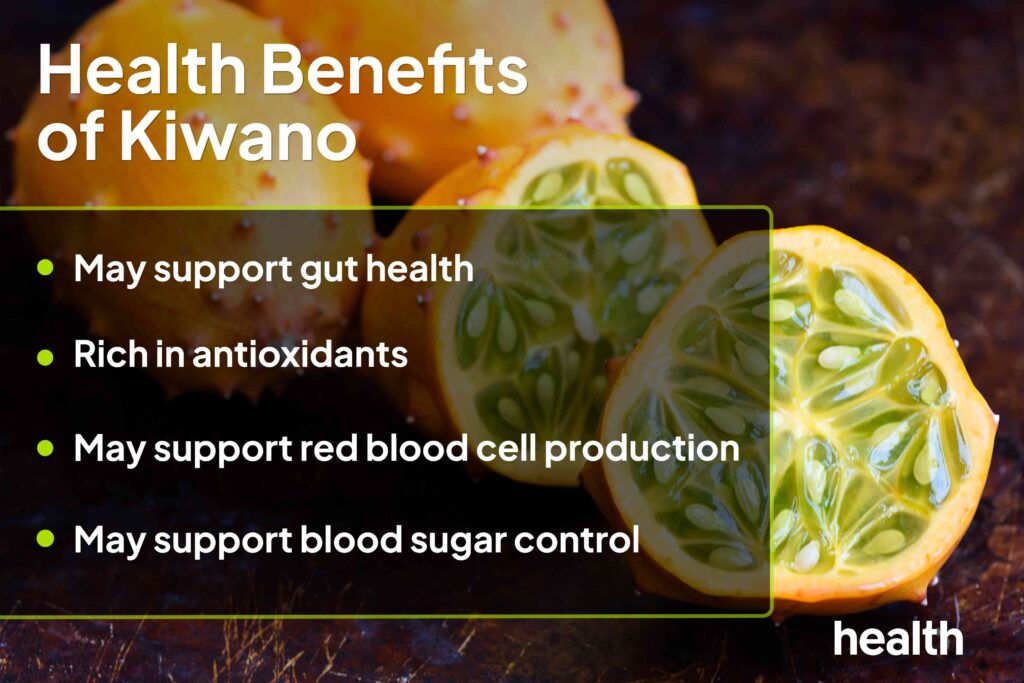
The horned melon is quite large, measuring around 10 cm in length and weighing up to 300 grams, with an orange color reminiscent of an orange. Its distinctive shape and green gelatinous pulp rich in seeds may lead you to confuse it with a real melon. However, this fruit is considered a vegetable in Europe and a fruit in South America.
Nutritional Values of the Kiwi
Before we dive into its benefits, let’s take a closer look at the nutritional characteristics of this fruit. The kiwi contains 44 kcal per 100 grams, making it a low-calorie snack. It’s mainly composed of water (90%), but also includes other nutrients like vitamins and minerals.
Some of the key nutrients found in the kiwi include:
- Vitamin A (beta-carotene) – 88 mcg
- Vitamin B1 (thiamine) – 0.025 mg
- Vitamin B2 (riboflavin) – 0.015 mg
- Niacin (Vitamin B3 or vitamin PP) – 0.565 mg
- Vitamin B5 (pantothenic acid) – 0.183 mg
- Vitamin B6 (pyridoxine) – 0.063 mg
- Folic acid (Vitamin B9) – 3 μg
- Vitamin C (ascorbic acid) – 5.3 mg
- Potassium – 123 mg
- Calcium – 13 mg
- Sodium – 2 mg
- Magnesium – 40 mg
- Phosphorus – 37 mg
Properties of the Horned Melon
As we can see from its long list of vitamins and minerals, the horned melon is a very nutritious fruit that offers numerous health benefits. Some of these benefits include:
- Strengthening immunity due to its high content of Vitamin C and B
- Serving as a good tonic in winter
- Restoring fluid balance when hot
- Helping strengthen and maintain cardiac muscle in patients with renal, stomach, and intestine diseases
- Being great for those who want to lose weight
How to Choose a Kiwi
Selecting the best kiwi can be challenging due to its rare occurrence. To choose a ripe kiwi, follow these steps:
- Size: Opt for a medium-sized fruit without any obvious signs of damage.
- Color: Look for an orange color with marble-like representations.
- Spines: Ensure that the spines are yellow, which indicates maturity.
Taste of the Kiwi
The horned melon has its own unique taste, which combines elements of banana and kiwi with a hint of tartness, similar to lime juice.
This fruit can be incorporated into various dishes, such as:
- Creative salads
- Snacks
- Accompanied by meat
- Used to make a delicious and vitamin-rich juice
Contraindications of the Horned Melon
While there are no particular contraindications related to the horned melon, it’s essential to approach with caution if you’re allergic to it. Some populations use kivana for insomnia and heart pain by mixing 15 drops of juice with honey in Africa.
Precautions when Eating the Horned Melon
To ensure a safe consumption of the horned melon:
- Consume it only after washing your hands thoroughly.
- Avoid eating unripe kiwi, as they can cause digestive issues and allergic reactions.
- If you have any pre-existing medical conditions or allergies, consult with your doctor before consuming this fruit.
Preparation Methods
To get the most out of your kiwi, try these preparation methods:
- Eating raw: Simply peel off the outer layer and enjoy as is.
- Cooking: Sauté it with olive oil, garlic, and herbs for a tasty side dish or add to salads.
- Juicing: Blend it with water to create a refreshing juice.
Frequently Asked Questions
Q: What is the nutritional content of the kiwi?
A: The kiwi contains 44 kcal per 100 grams, making it a low-calorie snack.
A: While there are no particular contraindications, approach with caution if you’re allergic to it.
Q: How can I choose a ripe kiwi?
A: To choose a ripe kiwi, follow these steps: size, color, and spines.
Q: What is the taste of the horned melon like?
A: The horned melon has its own unique taste, which combines elements of banana and kiwi with a hint of tartness, similar to lime juice.
Q: Can I use the horned melon in cooking?
A: Yes, this fruit can be incorporated into various dishes, such as creative salads, snacks, accompanied by meat, and used to make a delicious and vitamin-rich juice.
Q: Is it true that the horned melon helps strengthen cardiac muscle in patients with renal, stomach, and intestine diseases?
A: Yes, thanks to its high content of potassium, which is very useful for our muscular system health.
Conclusion
The kiwi or African Horned Melon is a rare yet nutritious fruit that offers numerous health benefits. Its unique taste and versatility make it an excellent addition to your diet. By following the steps outlined above, you can choose a ripe kiwi and enjoy its many benefits.
Additional Tips
- Always buy from reputable sources.
- Handle with care when eating raw, as the spines may cause injury if not handled properly.
- Be cautious of allergic reactions or digestive issues if consuming unripe kiwi.


