
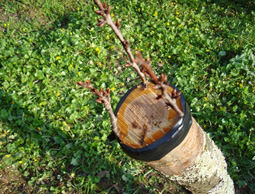
As an avid gardener, there’s nothing quite like the thrill of nurturing a young fruit tree from seed. But did you know that with the right techniques, you can take your tree-growing skills to the next level by grafting? In this article, we’ll delve into the world of cleft grafting, exploring its benefits, techniques, and best practices for success.
What is Cleft Grafting?
Cleft grafting is a method of grafting that involves making an incision in the root system of one tree (the scion) and joining it to another tree (the rootstock). This technique allows you to combine the desirable traits of both trees, such as fruit quality, disease resistance, or climate tolerance. By grafting, you can create a strong, healthy tree that’s better equipped to thrive in your local environment.
Why Choose Cleft Grafting?
Cleft grafting offers several advantages over other grafting techniques:
- Improved Fruit Quality: By combining the best qualities of both trees, cleft grafting can result in superior fruit flavor, texture, and yield.
- Increased Disease Resistance: The rootstock can provide natural resistance to diseases that might affect the scion tree.
- Enhanced Climate Tolerance: The rootstock can help the tree adapt better to local climate conditions, ensuring a stronger and more resilient tree.
Choosing the Right Trees for Cleft Grafting
Not all trees are suitable for cleft grafting. When selecting trees, look for those that share similar growth habits and compatibility with your chosen rootstock. Some popular options include:
- Apple (Malus domestica): A classic choice for cleft grafting, apples can be paired with a variety of rootstocks to enhance disease resistance and climate tolerance.
- Pear (Pyrus communis): Pears are another popular fruit tree that benefits from cleft grafting, particularly when combined with the rootstock of a disease-resistant variety.
The Cleft Grafting Process
Cleft grafting involves several steps:
- Preparation: Select healthy trees and prepare them for grafting by removing any diseased or damaged tissue.
- Incision: Make an incision in the root system of the scion tree, using a sharp, sterile tool.
- Joining: Join the scion to the rootstock, securing it with tape or wire until the union heals.
- Post-Graft Care: Provide proper care for the grafted tree, including regular watering, fertilization, and pruning.
Tips and Tricks for Success
To ensure a successful cleft grafting experience:
- Use clean and sterile tools: Prevent infection by using sharp, sanitized tools throughout the process.
- Choose compatible trees: Select trees that share similar growth habits and compatibility with your chosen rootstock.
- Monitor progress closely: Regularly inspect the grafted tree for signs of stress or disease, taking corrective action as needed.
Common Mistakes to Avoid
When it comes to cleft grafting, there are a few common mistakes to watch out for:
- Incorrect incision depth: Make sure the incision is made at the correct depth to avoid damaging the root system.
- Insufficient support: Provide adequate support for the grafted tree until the union heals.
- Poor post-graft care: Neglecting regular watering, fertilization, and pruning can lead to stress and disease.
Benefits of Cleft Grafting
By incorporating cleft grafting into your orchard management strategy, you can:
- Increase Fruit Yield: Combine the desirable traits of both trees to boost fruit production.
- Improve Disease Resistance: Use a rootstock that provides natural resistance to diseases affecting the scion tree.
- Enhance Climate Tolerance: Create a strong, healthy tree better suited to local climate conditions.
Variations on Cleft Grafting
While traditional cleft grafting is a popular method, there are other techniques worth exploring:
- Cleft Bud Grafting: This method involves making an incision in the scion and joining it to the rootstock using a bud from the scion.
- Whip and Tongue Grafting: A variation of cleft grafting that uses a whip-like piece of stem (the tongue) to secure the scion to the rootstock.
Alternatives to Cleft Grafting
If you’re not ready or able to try cleft grafting, there are other methods available:
- Air Layering: A technique that involves making an incision in the scion and inserting a wad of moistened sphagnum moss into the wound.
- Suckering: A method that involves removing suckers from the rootstock and grafting them to a new location.
Conclusion
Cleft grafting is a powerful technique for combining the best qualities of different trees, resulting in superior fruit quality, disease resistance, and climate tolerance. By following these guidelines and techniques, you’ll be well on your way to mastering the art of cleft grafting. With practice and patience, you’ll unlock the full potential of your fruit trees, enjoying a bountiful harvest for years to come.
FAQs
- What is the best time for cleft grafting?
- The ideal time for cleft grafting depends on the specific tree species, climate, and location. In general, spring and fall are considered optimal times for grafting.
- Can I graft different fruit trees together?
- While it’s possible to graft different fruit trees together, compatibility is crucial. Research compatible pairs to ensure successful integration.
- How often should I water my grafted tree?
- Regular watering, especially during the first year after grafting, is essential for establishing a strong root system and promoting healthy growth.
By understanding the ins and outs of cleft grafting, you’ll be able to unlock your full gardening potential. Whether you’re a seasoned gardener or just starting out, this technique offers endless possibilities for creating superior fruit trees that thrive in your local environment.


