
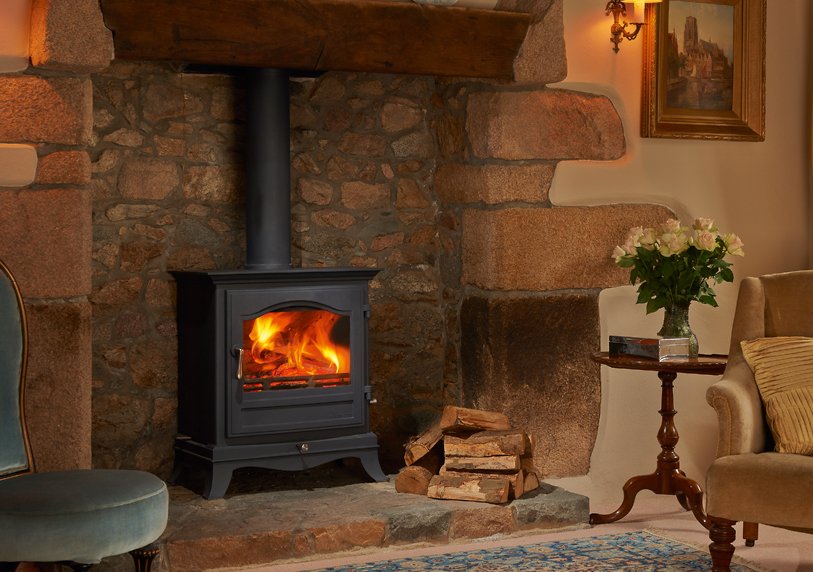
Are you considering installing a heating system in your home? You may find yourself faced with the dilemma of whether to choose a chimney or a stove. In this article, we will explore the key factors to consider when making your decision.
Before deciding between a chimney and a stove, it’s essential to evaluate their practical and constructional aspects. The first two factors to consider are:
- The size of the room that needs to be heated
- The feasibility of installing a chimney and a draft system
So, what drives you to choose a stove or a chimney? Are you looking to cook, save on heating costs, or simply enhance your home’s decor? Additionally, the style of your home can also influence your decision.
Let’s delve into the practical aspects first.
Calculating the Power Requirements
To determine whether a chimney or a stove is suitable for your needs, you need to calculate the power requirements of the room that needs to be heated. This involves calculating the energy needed to heat the space in kilowatts (kW).
The calculated energy requirement will help you decide between a chimney and a stove based on their respective power outputs.
Differences Between Chimneys and Stoves
Now, let’s explore the key differences between chimneys and stoves:
- Fuel type: Chimneys are typically fueled by wood, pellets, or bioethanol, while stoves can be powered by various fuels, including pellets, bioethanol, petroleum, wood, gas, or a combination of these.
- Construction: The construction of a chimney is designed to facilitate combustion and exhaust gases, whereas stoves have a more complex mechanism for controlling airflow and fuel combustion.
- Installation: Chimneys require a separate draft system to remove exhaust gases, while stoves often come with built-in ventilation systems.
Can a Chimney or Stove Heat an Entire House?
The answer is yes. Some models of chimneys or stoves can be designed to heat multiple rooms in your home.
These systems are typically associated with simple ducts that distribute heated air throughout the house through pre-installed vents.
Some questions to consider when deciding between a chimney and a stove:
- Are you looking for an energy-efficient heating solution?
- Do you prioritize aesthetics or functionality in your home decor?
- How much space do you need to heat, and what is the desired temperature range?
FAQs
Here are some frequently asked questions related to chimneys and stoves:
- What are the benefits of choosing a chimney over a stove?
- Chimneys offer more energy-efficient heating options, especially when fueled by wood or pellets.
- They can be designed to heat entire houses, making them ideal for larger spaces.
- Can I install a chimney in an existing home without significant renovations?
- It depends on the location and type of chimney you choose, as well as local building codes and regulations.
- Are stoves more expensive than chimneys to operate?
- The operating costs of stoves can vary depending on fuel types and efficiency levels; however, they often require less maintenance than chimneys.
- Can I use a stove in conjunction with a chimney for enhanced performance?
- Yes, many models allow for combined usage, providing the benefits of both systems while minimizing drawbacks.
- Are there any environmental concerns associated with using a chimney or stove?
- Both chimneys and stoves can produce emissions if not properly maintained; however, modern designs often incorporate pollution-reducing technologies.
Ultimately, the decision between a chimney and a stove comes down to your specific needs, priorities, and circumstances. By considering factors like power requirements, fuel types, construction, installation, and environmental impact, you can make an informed choice that suits your lifestyle and home requirements.
Types of Chimneys
There are several types of chimneys available for heating purposes:
- Wood-burning chimneys: These are the most common type of chimney used for wood-fired heating systems. They are designed to burn wood efficiently and provide a clean, efficient heat source.
- Pellet chimneys: Pellet stoves and furnaces use compressed biomass pellets as fuel. They offer an environmentally friendly alternative to traditional fossil fuels.
Types of Stoves
There are also various types of stoves available:
- Wood-burning stoves: These stoves burn wood directly, providing a clean, efficient heat source.
- Pellet stoves: Pellet stoves use compressed biomass pellets as fuel, offering an environmentally friendly alternative to traditional fossil fuels.
- Gas stoves: Gas stoves are fueled by natural gas or propane and provide a convenient, affordable heating option.
- Electric stoves: Electric stoves are powered by electricity and offer a simple, low-maintenance heating solution.
Key Considerations
When choosing between a chimney and a stove, there are several key considerations to keep in mind:
- Safety: Ensure that the chosen system meets all safety standards and regulations.
- Energy efficiency: Choose a system with high energy efficiency to minimize operating costs.
- Maintenance requirements: Select a system that is easy to maintain and requires minimal upkeep.
- Aesthetics: Consider the appearance of the system in your home’s decor.
Installation Costs
The installation cost of a chimney or stove can vary depending on several factors, including:
- Type of fuel used
- Size and complexity of the system
- Materials and labor costs
Here are some estimated installation costs for different types of chimneys and stoves:
- Wood-burning chimneys: $500-$2,000
- Pellet chimneys: $800-$3,000
- Gas stoves: $1,000-$4,000
- Electric stoves: $300-$1,200
In conclusion, choosing between a chimney and a stove requires careful consideration of several factors. By evaluating power requirements, fuel types, construction, installation, and environmental impact, you can make an informed decision that suits your lifestyle and home requirements.


