
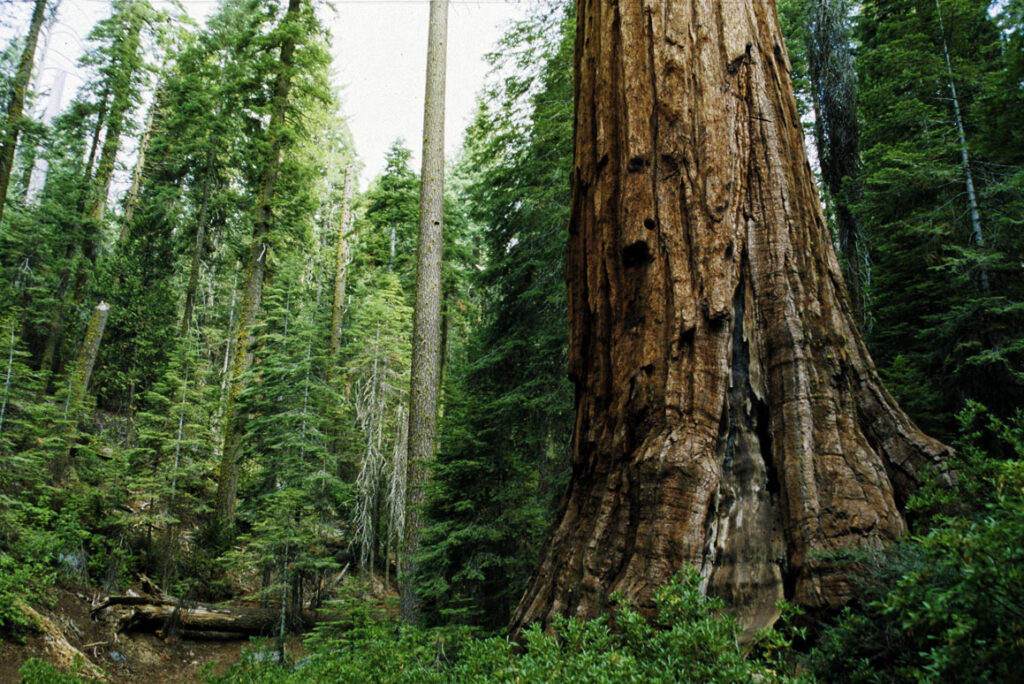
Our planet is home to approximately four billion hectares of forests, boasting an invaluable patrimony that harbors two-thirds of the world’s terrestrial species, performing essential functions that not everyone knows about. Let’s uncover them together.
Protective Function
Forests play a crucial protective role, safeguarding inhabited centers, roads, and infrastructure from landslides and rockfalls. The forested terrain also absorbs rainfall, limiting soil erosion and regulating hydrological balance. This natural protection against disasters has significant economic benefits for surrounding communities and reduces the financial burden of recovery efforts.
For instance, in Japan, forests have been instrumental in mitigating damage caused by earthquakes, floods, and landslides. In some regions, forest management practices have helped to reduce the risk of landslides by preserving soil stability and preventing erosion.
Moreover, forests protect water resources by filtering out pollutants and sediments from rivers and streams. This helps maintain water quality, which is essential for human consumption, agriculture, and industry.
Naturalistic and Environmental Function
Forests preserve biodiversity, creating diverse habitats suitable for the vital needs of various animal and plant species, including rare and threatened ones. Forests also serve as carbon dioxide storage, through the process of photosynthesis, converting atmospheric CO2 into organic carbon incorporated into wood. Simultaneously, trees emit oxygen into the atmosphere, contributing to reducing greenhouse gases, particulate pollution, and noise pollution.
In addition to storing carbon dioxide, forests help regulate global climate patterns by influencing precipitation and temperature distribution. This phenomenon is known as the “water vapor cycle.” Water from oceans evaporates, forms clouds, and precipitates back onto the land, which ultimately feeds plant growth.
Forests also have a significant role in maintaining soil health through various biological processes like decomposition and nutrient cycling. This leads to more fertile soils that can support plant life, which then absorb CO2 during photosynthesis.
Tourist-Recreational Function
Forest areas provide spaces for enjoying nature during leisure time, ensuring mental and physical well-being. These spaces allow individuals to deepen their understanding of nature through extensive networks of educational trails and recreational paths, as well as engage in various sports or simply relax, carving out moments of inner peace.
Many popular tourist destinations around the world are situated within forests. National parks and wildlife reserves have become increasingly important for ecotourism, promoting responsible travel while supporting conservation efforts.
From trekking to mountain climbing, hiking through dense woodlands has long been a favorite pastime among outdoor enthusiasts. The experience of walking among towering trees is often considered rejuvenating and beneficial for both body and mind.
Productive Function
Forests provide a wealth of valuable products, including mushrooms, truffles, small fruits, and edible herbs. Beyond logging, forests also offer a variety of products such as wood, paper, and fuel.
Some regions are famous for their specific forest products. For example, in the French Alps, pine trees are harvested to produce high-quality ski wax. Similarly, in some parts of North America, maple syrup is extracted from maple trees during the winter months.
Forest agriculture also contributes significantly to global production, providing fruits like apples and berries, as well as mushrooms for food. In Italy, for instance, the black truffle is considered a delicacy and commands high prices due to its rarity.
Forests in Italy
The Ministry for Agricultural Food Policies, Forests, and Tourism recently published the first Report on the State of Forestry and Forestry in Italy. According to the report’s data, Italy’s forest heritage consists of approximately 9 million hectares of forests and nearly 2 million hectares of other woodland areas, mostly represented by scrublands, shrublands, and undergrowth.
Overall, Italy’s forested areas cover over 35% of its territory. Some regions, such as Trentino-Alto Adige, Liguria, Tuscany, Umbria, and Sardinia, are home to more than half the country’s forests, while Puglia and Sicily have the lowest forest coverage.
Over the last century, Italy’s forested area has continuously increased. However, recent data indicate a slowdown, likely linked to decreasing availability of suitable zones. The variety of trees in Italy is quite rich: firs, oak, poplar, beech, and pine forests dominate, with species like fir, blackthorn, silver birch, and chestnut also prevalent.
Just as elsewhere around the world, forests play a fundamental role in Italian society: every year, these natural areas remove approximately 46.2 million tons of carbon dioxide from the atmosphere.
On the job market side, Italy’s forestry sector, including silviculture and forest activities, provides employment for over 100,000 people. Forests are also an important source of wealth, ranging from mushroom harvesting to recreational activities.
There is also room for a more circular economy in this field. According to the report, only in 2017 were over 1.8 million tons of used wood collected and recycled. This type of activity generates around €2.8 billion in business, offering approximately 30,000 jobs.
It’s worth noting that forest environments play a crucial role in tourism. Forests and woods are also popular destinations for excursions. Italy has a substantial association of hiking enthusiasts, with over 620,000 members, of whom the majority is connected to the CAI (Club Alpino Italiano).
Finally, there is the experience of asylums in forests, which have been gradually spreading, currently encompassing 71 projects in northern and central Italy. The majority of these initiatives host classes of 10-20 children, with some exceptions that accommodate up to 120 young students.
Frequently Asked Questions
- What are the functions of forests?
- Why is it essential to preserve our forest patrimony?
- How do forests contribute to climate change mitigation?
- What is the importance of forestry in Italy’s economy and job market?
- Can forests be used for more circular and sustainable practices?
- What role do forests play in tourism, recreation, and wellness?
- How can we reduce our carbon footprint through forest-related activities?
- Are there any examples of successful forest-based initiatives or projects?
Conclusion
In conclusion, the functions of forests are multifaceted, encompassing environmental, economic, social, and recreational aspects. Preserving this valuable patrimony is essential for maintaining biodiversity, mitigating climate change, and supporting local communities.
Through sustainable forestry practices, we can ensure that these natural resources continue to provide valuable benefits for generations to come. By promoting forest conservation and responsible forest management, we can foster a healthier planet that supports all its inhabitants.


