
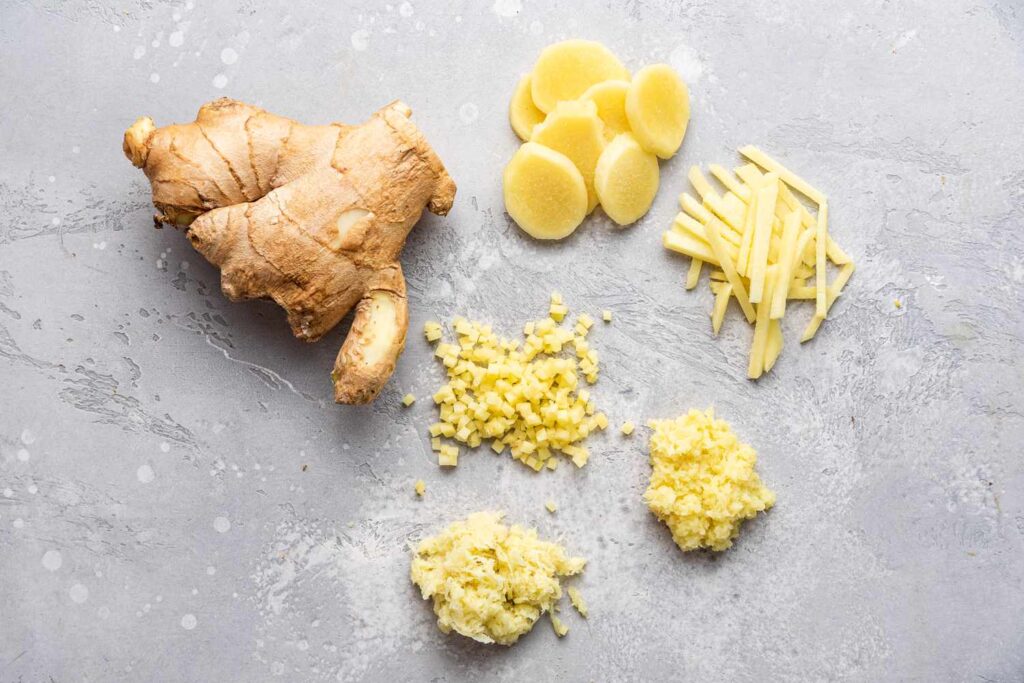
Ginger, also known as Zenzero in Italian, has been a staple spice in many cuisines around the world for centuries. Not only does it add flavor to our dishes, but it also boasts numerous health benefits that can transform our lives. In this article, we will delve into the wonderful world of ginger and explore its uses, properties, and benefits.
What is Ginger and How to Use it?
Ginger, a rhizome native to Asia, has been used for medicinal purposes for thousands of years. Its unique flavor and aroma have made it a popular ingredient in various cuisines, from Asian dishes like stir-fries and curries to Western desserts like gingerbread. Fresh ginger is a versatile ingredient that can be consumed raw or cooked, while dried ginger powder or capsules offer convenience and ease of use.
Ginger as an Antioxidant and Anti-Inflammatory
Recent studies have shown that ginger’s antioxidant properties make it a potential treatment for osteoarthritis and rheumatoid arthritis. The active compounds in ginger, such as gingerol and shogaol, can neutralize free radicals, which can cause inflammation and damage to our joints. This makes ginger a natural alternative to steroids for managing joint pain.
The Nutritional Properties of Ginger
Ginger is an excellent source of vitamins B1, B2, B3, B5, B6, vitamin C, and E. It’s also rich in essential amino acids like alanine, arginine, cysteine, glutamic acid, aspartic acid, proline, serine, leucine, glycine, and tyrosine. These nutrients can help boost our immune system, improve digestion, and reduce stress.
Ginger for Digestive Issues
Ginger has been used to treat various digestive issues, including nausea, indigestion, and bloating. Its anti-inflammatory properties can also help soothe stomach ulcers and other gastrointestinal problems. To harness these benefits, you can try ginger tea or add fresh ginger to your meals.
Benefits of Ginger for Weight Loss
Ginger has been touted as a natural weight loss aid due to its thermogenic properties, which can increase our metabolism. However, it’s essential to note that ginger should not be used as a sole solution for weight loss; a balanced diet and regular exercise are still necessary. Additionally, ginger can help suppress appetite and reduce inflammation in the body, making it an excellent complement to a healthy weight loss plan.
Where to Find Ginger
You can find ginger in most health food stores or online. It comes in various forms, including fresh roots, dried powder, capsules, and tea bags. To get the most benefits from ginger, choose fresh roots or high-quality supplements. When purchasing ginger, look for products that are labeled as “organic” or “non-GMO” to ensure you’re getting a safe and healthy product.
Using Ginger in Cooking
Ginger is a versatile ingredient that can add flavor to both sweet and savory dishes. You can use it in stir-fries, soups, salads, and even desserts. Some popular ways to incorporate ginger into your cooking include:
- Adding grated ginger to stews and soups
- Making ginger tea by steeping fresh ginger in hot water
- Using ginger in smoothies and juices
- Incorporating ginger into baked goods like cakes and cookies
Tips for Using Ginger for Weight Loss
While ginger can help boost our metabolism, it’s essential to use it as part of a comprehensive weight loss plan. Here are some tips:
- Consume ginger tea or add fresh ginger to your meals 2-3 times a day
- Use high-quality supplements that contain 100% natural ingredients
- Combine ginger with other healthy habits like regular exercise and a balanced diet
- Start with small amounts of ginger (1/4 teaspoon per day) and adjust as needed
- Be patient, as the full benefits of ginger may take several weeks to appear
Common Ginger Recipes
Here are some delicious and easy-to-make recipes that showcase ginger’s flavor and versatility:
- Ginger Chicken Stir-Fry: Stir-fry diced chicken breast with sliced ginger, bell peppers, and soy sauce. Serve over rice or noodles.
- Ginger Lemon Tea: Steep fresh ginger in hot water for 5-7 minutes. Add lemon juice and honey to taste.
- Ginger Apple Smoothie: Blend together frozen apple, fresh ginger, yogurt, and milk for a refreshing and healthy drink.
- Ginger Baked Salmon: Mix grated ginger with olive oil, salt, and pepper. Brush the mixture onto salmon fillets before baking in the oven.
Conclusion
Ginger is an incredible spice that offers numerous health benefits, from antioxidant properties to anti-inflammatory effects. By incorporating ginger into our cooking and supplement routine, we can unlock its full potential and transform our lives. Remember to always choose high-quality products and consult with a healthcare professional before starting any new supplements.
Frequently Asked Questions
- Q: How much ginger should I consume per day?
A: The recommended daily intake of ginger varies depending on the form and individual needs. As a general guideline, you can start with 1-2 teaspoons of fresh ginger or 100-200 mg of dried powder. - Q: Can ginger help reduce inflammation?
A: Yes, ginger’s anti-inflammatory properties make it an excellent natural remedy for reducing joint pain and inflammation. - Q: How does ginger support weight loss?
A: Ginger’s thermogenic properties can increase our metabolism, helping us burn more calories and lose weight. - Q: Can I use ginger tea as a substitute for regular tea?
A: While ginger tea is delicious and nutritious, it’s essential to note that it has a stronger flavor than regular tea. Start with small amounts and adjust to taste. - Q: Can ginger interact with medications?
A: Yes, ginger can interact with certain medications, such as blood thinners and diabetes medications. Consult with your healthcare professional before consuming ginger supplements or using ginger for medicinal purposes. - Q: How long does it take to see the benefits of ginger?
A: The effects of ginger on our body can be noticeable within a few days to weeks of consistent consumption. However, individual results may vary depending on factors like diet and lifestyle. - Q: Can I grow my own ginger at home?
A: Yes, you can grow your own ginger at home by purchasing fresh roots or seeds from a reputable supplier. Follow proper care instructions for optimal growth and flavor. - Q: Are there any side effects associated with ginger consumption?
A: While rare, some people may experience digestive issues like bloating, gas, or heartburn when consuming ginger. Start with small amounts and adjust to tolerance.
Ginger’s History and Cultural Significance
Ginger has been a staple spice in many cultures for thousands of years. In ancient China, ginger was considered a “medicinal herb” used to treat a wide range of ailments, from digestive issues to respiratory problems. In India, ginger is known as “adrak” or “shunthi,” and is commonly used in Ayurvedic medicine. In Japan, ginger is called “gari,” and is often used as a flavoring agent in soups and stews.
Ginger’s Future Prospects
As research continues to uncover the full potential of ginger, it’s clear that this incredible spice will play an increasingly important role in modern health and wellness. Whether you’re looking to reduce inflammation, boost your metabolism, or simply add more flavor to your meals, ginger is an excellent choice. So why not give ginger a try today?


