
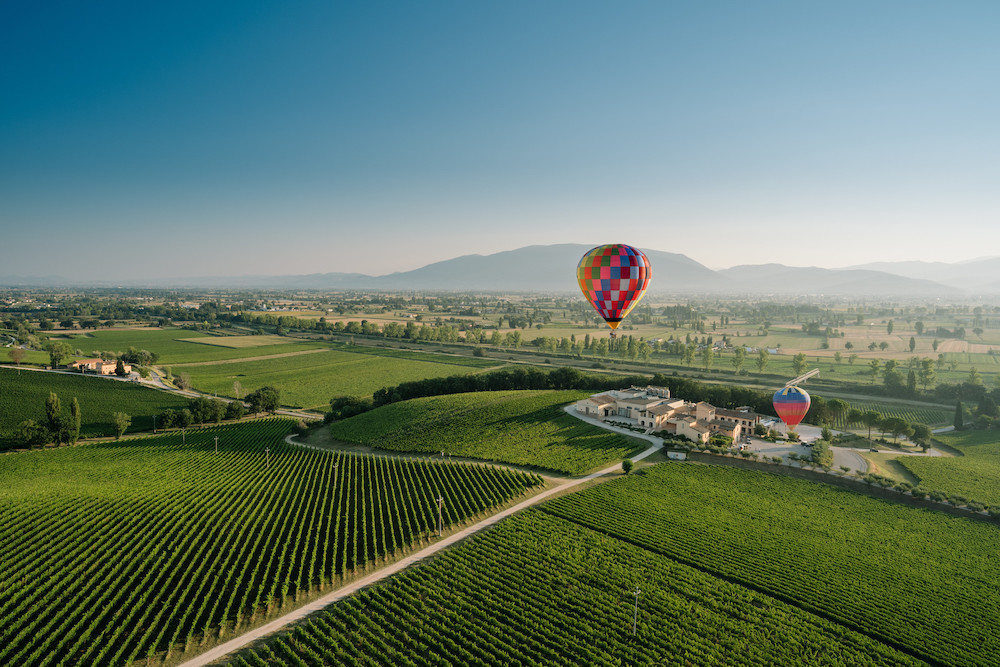
As we raise a glass to enjoy the perfect pour, let’s take a moment to appreciate the story behind it. For Lungarotti, an esteemed winery in Torgiano, Umbria, sustainability is not just a buzzword – it’s a way of life. From vineyard to cellar, every aspect of their operations has been carefully crafted to ensure a harmonious balance between nature and the industry.
The Birth of Sustainable Wine
In 1974, Lungarotti pioneered the concept of integrated promotion, where points of degustation, museums, resorts, osterias, and agriturismi came together to foster eno-tourism. This holistic approach not only showcased the region’s rich wine heritage but also encouraged guests to immerse themselves in the local culture.
The Foundation
After establishing the Museum of Wine, Lungarotti created the Fondazione, a foundation that aims to promote knowledge of wine as a cultural and inspirational force. Led by Maria Grazia Lungarotti, this figurehead institution supports both the wine industry and the surrounding community.
Company Overview
Lungarotti’s business model encompasses various types of companies:
- Vineyards for grape production
- Cellars for transformation and commercialization
- Cultural and hospitality integrated entities, including guided tours and tastings
- Olive farms in Torgiano and Montefalco (5)
- Other agricultural businesses that facilitate seasonal labor
The Balsameria company is part of the Lungarotti group, producing traditional Aceto Balsamico according to the traditional method.
In addition to the Fondazione, other key players include the MUVIT (Museum of Wine) and MOO (Museum of Olive Oil).
Eco-Sustainability Initiatives
Lungarotti began evaluating the eco-sustainability of their grape production in the 1990s. The company has:
- Adopted eco-friendly techniques that prioritize quality without stressing vines or soil
- Implemented organic fertilizers to improve soil structure and overall health
- Reduced herbicides and pesticides, maintaining a natural ecosystem
By using compost and carefully managing soil conditions, Lungarotti allows the roots to dig deeper in search of water and nutrients. This approach helps the vine become more resilient during droughts.
The Fondazione has also introduced measures to reduce greenhouse gas emissions:
- Implemented recycling programs for glass and paper
- Launched initiatives with IGM (Italian Institute of Quality Grand Wine) to develop compensatory projects
Climate Monitoring
Lungarotti has established 5 meteorological stations across their vineyard, which monitor temperature, humidity, wind speed, rainfall, sunlight exposure, and water saturation. These data points help the company optimize its practices, ensuring minimal treatment usage.
By using non-classified products with low environmental impact for disease management, Lungarotti prioritizes a healthier ecosystem.
Biomass Energy Plant
In 2006, Lungarotti began producing energy from pruning waste. After refining their processes and equipment, they inaugurated the biomass plant in 2008. This innovative system utilizes wood chip waste to generate heat, hot water, and steam for various industrial purposes, including fermentation malolactic treatment and office heating.
The results:
- Energy production: 720 MWh/year
- Water temperature: up to 95°C for sterilization
- Steam production: ideal for condensation cooling
Future improvements will include optimizing resource use and structure insulation, leading to a minimum of 50% energy consumption reduction. The resulting CO2 emissions decrease by 68%.
Biological Farming
Starting with the 2014 harvest, Lungarotti’s Montefalco vineyard will be certified organic. This move reflects their commitment to adopting sustainable practices in agriculture.
By carefully selecting and cultivating grapes according to natural principles, the winery aims to create high-quality, environmentally friendly wines that promote a harmonious relationship between nature and human activity.
Agritourism
Lungarotti has integrated agritourism into its business model by offering guests the opportunity to participate in various activities, such as:
- Harvesting grapes
- Olive harvesting
- Wine tastings
These experiences foster a deeper connection with the land and the community, allowing visitors to appreciate the region’s rich agricultural heritage.
Education and Research
Lungarotti is committed to education and research, focusing on topics related to sustainable wine production. They collaborate with various institutions and experts to share knowledge and best practices in eco-friendly viticulture.
By promoting sustainable wine production methods, Lungarotti aims to set an example for the industry and inspire other wineries to adopt environmentally friendly practices.
The Future of Sustainable Wine
As the demand for sustainable wines continues to grow, Lungarotti remains at the forefront of innovation. By integrating sustainability into every aspect of their operations, they demonstrate a commitment to preserving the environment while producing high-quality wines that reflect the region’s unique terroir.
Lungarotti’s story serves as a beacon for the wine industry, showcasing the potential for sustainable practices to enhance both the environment and the quality of our beloved wine.


