
Introduction
Agrimonia is a herbaceous plant belonging to the Rosaceae family, known for its attractive appearance and numerous beneficial properties. In this article, we will delve into the world of Agrimonia, exploring its characteristics, cultivation, medicinal uses, and contraindications.
What is Agrimonia?
Agrimonia is a versatile plant with a rich history, used in herbalism for various therapeutic purposes. Its botanical name is Agrimonia eupatoria, and it has been employed by traditional healers for centuries to treat a range of ailments. With its unique properties, Agrimonia has become an integral part of our ecosystem, providing food and habitat for beneficial insects.
Appearance of Agrimonia
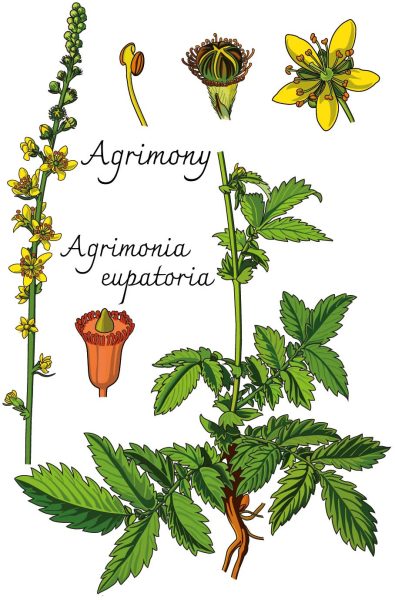
The appearance of Agrimonia can vary slightly between different species, but common characteristics include:
- Height: 30 cm to 1 meter
- Stem: Erect and woody at base, less rigid in upper part
- Leaves: Dark green, composed of numerous small segments with feather-like shape and seghettated margins, containing glandular hairs for a slightly sticky appearance
- Flowers: Yellowish-bright, arranged in spigges, resembling those of a marguerite with five petals and numerous stamens
- Fruits: Small brown-red fruit containing tiny seeds inside
Properties of Agrimonia
Agrimonia is a plant with numerous beneficial properties:
- Tannins: Give drying effects and used to treat intestinal disturbances like diarrhea and dyspepsia
- Wound healing: May contribute to the healing of wounds and superficial ulcers, both topically applied or as an ingredient in topical preparations
- Anti-inflammatory action: Helps reduce pain with compounds present in the plant
- Antioxidants: Protect cells from damage caused by free radicals, reducing the risk of chronic diseases and strengthening the immune system
- Antimicrobial: Demonstrates ability to fight fungi and bacteria, useful in treating skin and urinary tract infections
- Diuretic effect: Increases urine production and helps eliminate toxins from the body
Cultivation of Agrimonia
Agrimonia can be cultivated in both gardens and pots. To cultivate it correctly:
- Position: Prefers a sunny or partially shaded position, receiving at least 4-6 hours of direct sunlight per day
- Soil: Grows better in well-draining, fertile soil with slightly acidic or neutral pH
- Sowing: Takes place in spring or autumn, requiring preparation of the soil and even scattering of seeds on the surface
- Irrigation: Can tolerate periods of drought but should be watered regularly during active growth phase
- Winter Protection: Some varieties are resistant to frost, while delicate species may require protection from cold and frost
Reproduction of Agrimonia
Agrimonia can be propagated through division of clumps in spring or autumn. This method allows for the creation of new plants with desirable traits.
Flowering of Agrimonia
The flowering phase typically occurs in spring and early summer, attracting beneficial insects like bees, butterflies, and other pollinators.
Herbalism and Medicinal Uses
Agrimonia has been employed in herbalism for various therapeutic purposes:
- Common name: “Agrimonia” or “Agrimonia eupatoria”
- Utilized parts: Leaves and flowers
- Contraindications: Potential allergic reactions, interactions with medications like anticoagulants or diabetes products, and lack of evidence regarding its safety during pregnancy and breastfeeding
Precautions and Contraindications
Before using Agrimonia for medicinal purposes, consider the following:
- Individuals with known allergies to plants in the Rosaceae family should exercise caution when using Agrimonia
- People with bleeding disorders or those taking anticoagulant medications should consult a healthcare professional before using Agrimonia
- Pregnant and breastfeeding women should avoid using Agrimonia due to limited evidence on its safety during these periods
Conclusion
In conclusion, Agrimonia is a versatile plant with numerous beneficial properties, making it an integral part of our ecosystem. Its cultivation requires careful attention to position, soil, sowing, irrigation, and winter protection. When used correctly, Agrimonia can provide therapeutic benefits, but it’s essential to be aware of potential contraindications.
Frequently Asked Questions (FAQs)
- What is Agrimonia?
Agrimonia is a herbaceous plant belonging to the Rosaceae family, known for its attractive appearance and numerous beneficial properties. - How do I cultivate Agrimonia?
To cultivate Agrimonia correctly, provide it with a sunny or partially shaded position, well-draining soil, and regular watering during active growth phase. - What are the medicinal uses of Agrimonia?
Agrimonia has been employed in herbalism for various therapeutic purposes, including treating intestinal disturbances, wound healing, anti-inflammatory action, antioxidants, antimicrobial properties, and diuretic effect. - Is Agrimonia safe to use?
When used correctly, Agrimonia is considered safe, but potential allergic reactions, interactions with medications, and lack of evidence regarding its safety during pregnancy and breastfeeding should be taken into consideration. - Can I grow Agrimonia in pots?
Yes, Agrimonia can be cultivated in both gardens and pots, provided it receives sufficient sunlight and water. - How do I propagate Agrimonia?
Agrimonia can be propagated through division of clumps in spring or autumn. - When does Agrimonia flower?
The flowering phase typically occurs in spring and early summer, attracting beneficial insects like bees, butterflies, and other pollinators. - Can Agrimonia interact with medications?
Yes, Agrimonia may interact with certain medications like anticoagulants or diabetes products, so it’s essential to consult a healthcare professional before using the plant.
By understanding the properties, cultivation, medicinal uses, and contraindications of Agrimonia, you can unlock its potential benefits while ensuring safe and effective use.


