
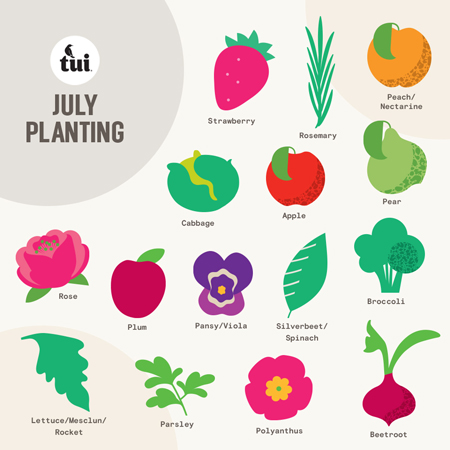
As the summer sun shines brighter, many gardeners look forward to enjoying the fresh produce of their labor. In this article, we’ll explore what to grow in July, from planting seeds to harvesting delicious vegetables and fruits.
Choosing the Right Seeds for July
When it comes to sowing seeds in July, there are still plenty of options available. Here are some popular choices:
- Bok choy
- Broccoli
- Cauliflower
- Coriander
- Beans (bush and pole)
- Cress
- Lettuce (summer varieties)
- Peas
- Radish
- Spinach
- Zucchini
These seeds can be started indoors 4-6 weeks before the last frost date in your area, or directly sown into the ground when the soil has warmed up. When selecting seeds, make sure to choose varieties that are specifically bred for warm weather and have a high resistance to pests and diseases.
What to Plant in July
While it’s still possible to plant many crops in July, there are some that thrive better during this time. Here are a few examples:
- Melons and squash: These warm-season crops love the heat of summer and can be planted in July.
- Peppers: Whether you prefer sweet bell peppers or spicy hot peppers, these plants love the warm weather and can be planted in July.
- Cucumbers: These refreshing vegetables thrive in the heat of summer and can be harvested in as little as 50 days.
- Carrots: While carrots are typically thought of as a cool-season crop, there are several varieties that do well in the heat of summer and can be planted in July.
Cultivating Your Garden in Summer
When it comes to caring for your garden in the summer months, there are a few key things to keep in mind:
- Watering: Make sure to water your plants regularly, but avoid overwatering, which can lead to root rot and other problems.
- Sun protection: Many vegetables and fruits can suffer from sunburn if they’re not protected. Use row covers or other forms of shade cloth to protect your plants.
- Pest control: Summer is prime time for many pests that can damage your crops, such as aphids, whiteflies, and hornworms.
7 Tips for Growing Healthy Vegetables in the Summer
- Soil temperature: Make sure the soil has warmed up to at least 60°F (15°C) before planting warm-season crops.
- Sunlight: Most vegetables need at least six hours of direct sunlight per day.
- Water deeply: Vegetables need consistent moisture, especially when they’re producing fruit.
- Fertilize regularly: Use a balanced fertilizer to promote healthy growth and fruiting.
- Watch for pests: Keep an eye out for signs of pests and take action quickly if you notice any problems.
- Provide support: Some vegetables, like peas and beans, need support as they grow.
- Keep records: Keep track of your planting dates, weather patterns, and pest activity to refine your gardening strategy over time.
What to Harvest in July
July is a great time to enjoy many fresh fruits and vegetables. Here are some popular choices:
- Tomatoes
- Peppers
- Cucumbers
- Zucchini and summer squash
- Corn
- Beans (bush and pole)
- Carrots
- Radish
When harvesting your crops, make sure to check the specific days to harvest for each variety, as these can vary depending on factors like weather conditions and soil quality.
Growing Ramolaccio (Daikon) in Your Garden
If you’re new to gardening, you might have heard of ramolaccio (daikon), a type of radish that’s popular in Japan. It’s easy to grow and can be harvested in as little as 60 days.
Here are some tips for growing ramolaccio:
- Plant seeds: Sow ramolaccio seeds directly into the ground when the soil has warmed up to at least 60°F (15°C).
- Keep it moist: Ramolaccio needs consistent moisture, especially when it’s producing roots.
- Watch for pests: Keep an eye out for signs of pests and take action quickly if you notice any problems.
What is Portulaca?
Portulaca, also known as purslane, is a type of succulent that’s often considered a weed. But don’t let its tough exterior fool you – portulaca has some amazing nutritional benefits.
Here are some tips for using portulaca in your cooking:
- Eat the leaves: Portulaca leaves have a slightly sour taste and can be used in salads or sautéed as a side dish.
- Make tea: Portulaca flowers can be made into a soothing tea that’s said to have anti-inflammatory properties.
- Use as a natural remedy: Portulaca has been traditionally used to treat various health issues, including arthritis and digestive problems.
Q&A: Growing Vegetables in the Summer
Here are some frequently asked questions about growing vegetables in the summer:
- Q: What is the best way to prevent pests from damaging my crops?
A: Use a combination of physical barriers, such as row covers and fine mesh screens, and organic pest control methods, like neem oil and diatomaceous earth. - Q: How often should I water my vegetables?
A: Water your vegetables deeply once or twice a week, depending on the weather conditions and soil moisture. - Q: Can I grow vegetables in containers?
A: Yes! Many vegetables can be grown successfully in containers, as long as they have adequate drainage and sunlight.
Tips for Growing Tomatoes
Tomatoes are one of the most popular summer crops, and for good reason – they’re delicious, nutritious, and easy to grow. Here are some tips for growing tomatoes:
- Choose a sunny location: Tomatoes need full sun to produce well, so choose a location that gets at least six hours of direct sunlight per day.
- Use a support system: Tomato plants can grow quite tall, so use a support system like a tomato cage or trellis to keep them upright and promote even fruiting.
- Water deeply: Tomatoes need consistent moisture, especially when they’re producing fruit.
- Fertilize regularly: Use a balanced fertilizer to promote healthy growth and fruiting.
Growing Zucchini in Your Garden
Zucchini is another popular summer crop that’s easy to grow and can be harvested in as little as 35 days. Here are some tips for growing zucchini:
- Choose a sunny location: Zucchini needs full sun to produce well, so choose a location that gets at least six hours of direct sunlight per day.
- Use a support system: Zucchini plants can grow quite tall, so use a support system like a tomato cage or trellis to keep them upright and promote even fruiting.
- Water deeply: Zucchini needs consistent moisture, especially when it’s producing fruit.
- Fertilize regularly: Use a balanced fertilizer to promote healthy growth and fruiting.
Tips for Growing Peppers
Peppers are another popular summer crop that’s easy to grow and can be harvested in as little as 70 days. Here are some tips for growing peppers:
- Choose a sunny location: Peppers need full sun to produce well, so choose a location that gets at least six hours of direct sunlight per day.
- Use a support system: Pepper plants can grow quite tall, so use a support system like a tomato cage or trellis to keep them upright and promote even fruiting.
- Water deeply: Peppers need consistent moisture, especially when they’re producing fruit.
- Fertilize regularly: Use a balanced fertilizer to promote healthy growth and fruiting.
Conclusion
Growing vegetables in the summer can be a fun and rewarding experience. With the right seeds, care, and attention, you can enjoy a bountiful harvest of fresh fruits and vegetables all season long. Whether you’re a seasoned gardener or just starting out, we hope this article has provided you with some valuable tips and advice for growing your own summer crops. Happy gardening!


