
As we continue to discuss the importance of energy savings in our homes, it’s clear that having a laundry routine is crucial for reducing our carbon footprint and saving money on utility bills. After all, we spend most of our time indoors, surrounded by devices that consume a lot of energy. By optimizing their use, we can significantly reduce our energy consumption without sacrificing anything.
Understanding Your Washing Machine
Let’s start with the washing machine. The first thing to know is that pre-washing and agitating your clothes for 15 minutes can be more effective than just using hot water for 15 minutes. In fact, studies have shown that this approach saves up to 10% of energy consumption. Additionally, using a low-temperature wash cycle with the right detergent can also help reduce energy usage.
The Right Detergent for Energy Efficiency
When it comes to choosing a laundry detergent, there are many options available that are designed to be more energy-efficient. Look for detergents that are labeled as “low-energy” or “eco-friendly.” These products not only save you money on utility bills but also help reduce greenhouse gas emissions.
Washing Machine Settings: A Guide
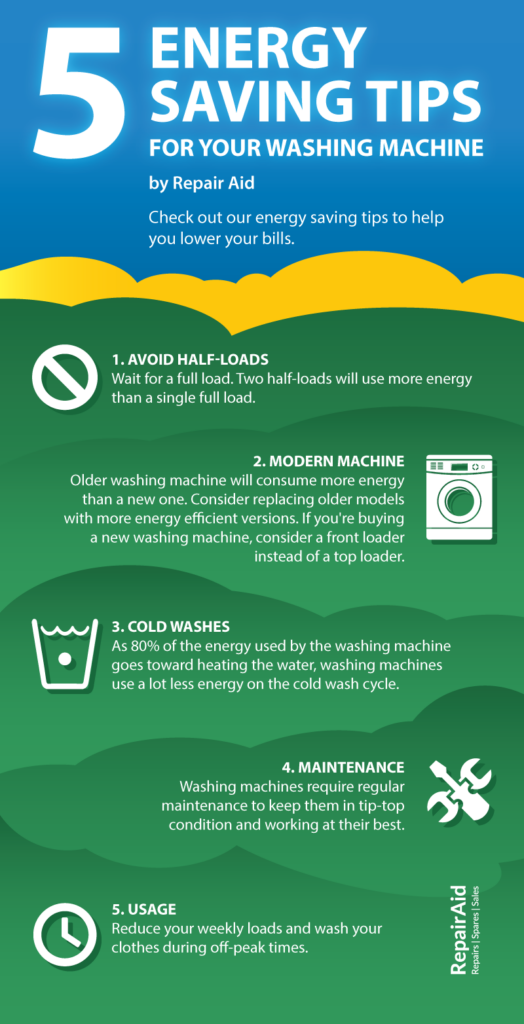
Now that we’ve covered the basics of washing machine settings, let’s dive into some specific tips. Always wash your clothes at full capacity to maximize energy efficiency. If you need to wash a smaller load, use the “half-load” setting instead of the full-capacity cycle.
The Importance of Regular Maintenance
Regular maintenance is essential for ensuring that your washing machine runs efficiently and effectively. Make sure to clean the gasket and detergent dispenser regularly to prevent buildup and reduce energy consumption. You should also check and replace worn-out seals and filters to maintain optimal performance.
Drying Clothes: A More Energy-Efficient Approach
When it comes to drying clothes, there are several alternatives to traditional tumble dryers. Consider using a drying rack or hanging your clothes outside on a sunny day. This approach not only saves energy but also helps reduce wrinkles and keeps your clothes fresh for longer.
Tips for Washing Delicates
If you have delicate items that require special care, here are some tips:
- Always separate delicates from heavier items to prevent damage
- Use cold water and a gentle detergent to minimize wear and tear
- Avoid overloading the washing machine or dryer, as this can cause damage to your clothes
Common Mistakes to Avoid
To maximize energy efficiency when doing laundry, avoid the following common mistakes:
- Over-drying clothes, which can waste up to 20% of energy consumption
- Using hot water for every wash cycle, even if you’re not planning to dry your clothes immediately
- Failing to clean the gasket and detergent dispenser regularly
Energy-Saving Strategies
Here are some additional strategies to help you save energy when doing laundry:
- Use a steam cleaner to pre-treat stains and remove dirt before washing.
- Wash similar fabrics together, as they tend to require less water than mixing different fabrics.
- Use the “energy-saving” feature on your washing machine, which adjusts the wash cycle based on the type of clothes being washed.
- Line-dry clothes when possible, especially for items that don’t require ironing or pressing.
Eco-Friendly Laundry Detergents
When it comes to choosing a laundry detergent, there are many eco-friendly options available. Look for detergents that are made from natural ingredients and biodegradable packaging materials. Some popular eco-friendly laundry detergent brands include Seventh Generation, Ecover, and Method.
Laundry Drying Alternatives
In addition to using alternative drying methods like hanging or using a drying rack, there are several other options available:
- Air dryers: These machines use hot air to dry clothes quickly and efficiently.
- Solar dryers: These devices use solar panels to heat the air inside the dryer, reducing energy consumption.
- Rummager racks: These multi-level racks allow you to dry multiple items of clothing at once.
Conclusion
By following these simple tips, you can significantly reduce your energy consumption when doing laundry. Remember to always choose energy-efficient detergents, optimize your washing machine settings, and consider alternative drying methods like hanging or using a drying rack. By making small changes to your laundry routine, you can create a more sustainable future for our planet.
Frequently Asked Questions (FAQs)
- Q: How can I save the most energy while doing laundry?
A: By pre-washing and agitating clothes for 15 minutes before washing them, you can significantly reduce energy consumption. - Q: What type of detergent should I use to save energy?
A: Look for eco-friendly or low-energy detergents that are designed to be more efficient. - Q: Can I still save energy if I only wash clothes at full capacity occasionally?
A: Yes, even washing clothes at full capacity occasionally can help reduce energy consumption over time. - Q: How often should I clean the gasket and detergent dispenser on my washing machine?
A: Clean the gasket and detergent dispenser every 1-2 months to prevent buildup and maintain optimal performance. - Q: Can I use hot water for every wash cycle, even if I’m not planning to dry my clothes immediately?
A: No, using hot water unnecessarily can waste energy and increase your utility bills. - Q: How much energy can I save by using alternative drying methods like hanging or using a drying rack?
A: Hanging or using a drying rack can save up to 75% of energy consumption compared to traditional tumble dryers. - Q: Can I still use hot water if I have an eco-friendly detergent?
A: Yes, even with eco-friendly detergents, it’s best to use cold water whenever possible to reduce energy consumption. - Q: How often should I replace my washing machine filters?
A: Check your user manual for specific recommendations on filter replacement frequency.
By following these tips and avoiding common mistakes, you can significantly reduce your energy consumption when doing laundry and help create a more sustainable future for our planet.


