
In today’s world, where weather conditions can be unpredictable and sometimes hazardous, it’s essential to understand the concept of weather alerts. These warnings serve as a crucial lifeline, alerting individuals and communities to potential dangers associated with extreme weather events. But what exactly are weather alerts, and how do they work in Italy? Let’s dive into this topic and explore the different types of alerts, their significance, and what you can do to stay safe.
What are Weather Alerts?
Weather alerts are official warnings issued by government agencies or meteorological organizations to inform the public about potential severe weather conditions. These alerts are designed to provide early warning systems for extreme weather events such as heavy rain, strong winds, floods, and thunderstorms. In Italy, weather alerts are managed by the Civil Protection Agency (APC), which coordinates with regional authorities and local structures to disseminate critical information.
Types of Weather Alerts in Italy
There are two primary types of weather alerts in Italy:
- Pre-Warning: This type of alert is issued up to two days before a severe weather event. It serves as a signal, warning the public about potential risks, but also acknowledging that there may be variations in intensity, trajectory, or duration.
- True Alarm: This type of alert is issued when the weather conditions are very probable or certain. It provides less advance notice than pre-warnings and is typically color-coded to indicate the level of risk.
Weather Alert Colors
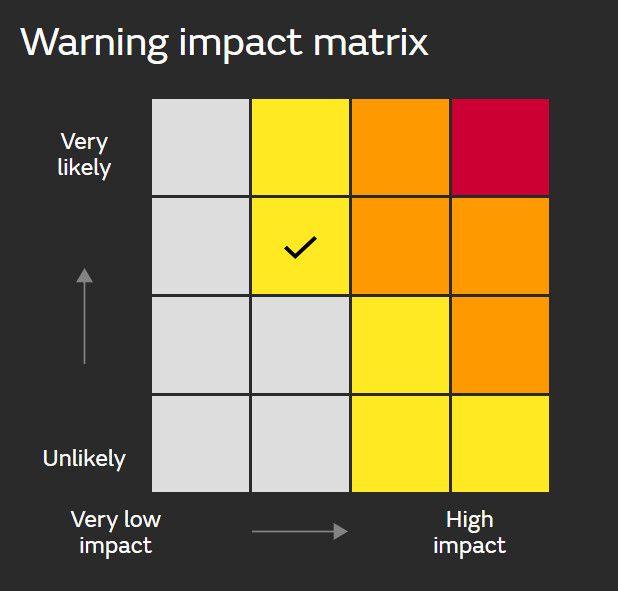
Italy uses a color-coding system to classify weather alerts:
- Yellow (Moderate Criticism): Announced by the Civil Protection Agency when there are diffuse, intense, and persistent meteorological phenomena. This warning can concern superficial landslides, rapid flow of debris, possible rockfalls, flooding of rivers or streams, erosion of riverbanks, or bridge lighting interruptions.
- Green (No Criticism): Indicates no criticism is present.
The Role of the Civil Protection Agency
The Civil Protection Agency plays a vital role in managing weather alerts. In Italy, it works closely with regional authorities and local structures to disseminate critical information and coordinate responses to severe weather events. The agency is based on forecasts for 24-48 hours following the event and decides what risks to highlight and how to prevent them.
School Closures
In an effort to minimize risk and avoid unnecessary damage, school closures can be implemented during periods of severe weather. This measure helps protect children from potential hazards and reduces the likelihood of accidents caused by traffic congestion.
Taking Weather Alerts Seriously
When it comes to weather alerts, take the indications from the Civil Protection Agency seriously. They may advise staying indoors or avoiding certain areas. By heeding these warnings, individuals can ensure their safety and minimize potential risks associated with severe weather events.
Weather Alert Safety Tips
To stay safe during periods of severe weather, follow these tips:
- Stay informed about weather conditions through official channels.
- Follow evacuation orders and instructions from local authorities.
- Avoid traveling during severe weather events.
- Keep an emergency kit with essentials such as food, water, and first aid supplies.
Conclusion
Weather alerts are a crucial tool for keeping communities safe during periods of severe weather. By understanding the different types of alerts, their significance, and what you can do to stay safe, individuals can minimize potential risks and ensure their well-being. Stay informed, follow instructions from local authorities, and prioritize your safety during periods of extreme weather.
Frequently Asked Questions
- What is a weather alert?
Weather alerts are official warnings issued by government agencies or meteorological organizations to inform the public about potential severe weather conditions. - How do I stay informed about weather alerts in Italy?
You can stay informed through official channels such as the Civil Protection Agency and regional authorities. - What should I do during a yellow warning alert?
During a yellow warning, it’s essential to take precautions and be prepared for potential risks associated with severe weather events. - Can school closures be implemented during periods of severe weather?
Yes, school closures can be implemented as a measure to minimize risk and protect children from potential hazards. - How often are weather alerts issued in Italy?
Weather alerts can be issued at any time, depending on the severity of the weather conditions. - What is the role of the Civil Protection Agency in managing weather alerts?
The Civil Protection Agency plays a vital role in managing weather alerts by coordinating responses to severe weather events and disseminating critical information. - Can I use social media to stay informed about weather alerts?
While social media can be a useful tool for staying informed, it’s essential to rely on official channels such as the Civil Protection Agency and regional authorities for accurate and timely information. - What should I do if I receive a false weather alert?
If you receive a false weather alert, remain calm and follow any instructions from local authorities.
Additional Tips
- Keep an eye on local news and weather reports to stay informed about the latest weather conditions.
- Have a plan in place for emergency situations, such as knowing evacuation routes or having a meeting point with family members.
- Stay connected with friends and family who may be affected by severe weather events.
Weather Alert Safety Resources
- Civil Protection Agency: www.apc.gov.it
- Regional Authorities: [Regional website URL]
- National Meteorological Service: www.servizio-meteo.it
By staying informed and taking necessary precautions, you can minimize potential risks associated with severe weather events in Italy.


