
Are you tired of dealing with the Birch Bud Moth, also known as the Defoliating Caterpillar of the Birch Tree? This pest can cause significant damage to your trees, and finding a reliable solution can be challenging. In this article, we will explore the effectiveness of Bacillus thuringiensis in controlling the Birch Bud Moth, as well as other alternative methods.
What is Bacillus thuringiensis?
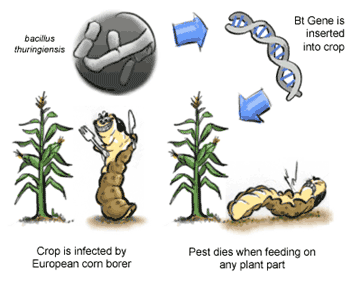
Bacillus thuringiensis (Bt) is a bacterium that produces proteins toxic to certain insect species. In the context of pest control, Bt is used as an insecticidal agent that kills insects by preventing them from consuming food or damaging plants. The most commonly used strain for controlling pests on trees is the Aizawai variant.
Why Choose Bacillus thuringiensis over other methods?
Compared to traditional insecticides like deltametrin, Bt offers several advantages. Firstly, it is non-toxic to humans and animals, making it a safer choice for families with pets or children. Secondly, Bt only affects insects that ingest the bacteria, reducing the risk of harm to beneficial insects.
The Effectiveness of Bacillus thuringiensis
Studies have shown that Bacillus thuringiensis is an effective solution against the Birch Bud Moth. A study conducted in Lombardy-Piedmont found that the application of Bt resulted in significant reductions in pest populations, even at low concentrations.
Choosing the Right Strain
There are three main strains of Bacillus thuringiensis: Kurstaki, Aizawai, and Tenebrionis. The most widely used strain is Kurstaki, but research suggests that the Aizawai variant may be more effective against the Birch Bud Moth.
Application Guidelines
To ensure optimal results when using Bacillus thuringiensis, follow these guidelines:
- Concentration: Use a concentration of approximately 15 grams of Bt per 10 liters of water.
- Solution Preparation: Prepare multiple solutions from a single 500-gram package, allowing you to cover larger areas.
- Spray Equipment: A sprayer or irrigator is necessary for effective application.
Alternative Methods
While Bacillus thuringiensis remains the most popular solution, other methods can also be employed:
- Deltametrin: An insecticide that may offer quick results but carries risks to beneficial insects and human health.
- Integrated Pest Management (IPM): A holistic approach combining physical barriers, biological control agents, and cultural practices to manage pests.
Conclusion
Bacillus thuringiensis has proven itself as an effective solution against the Birch Bud Moth. With its non-toxic nature and targeted action, it represents a safer alternative for gardeners. By choosing the right strain and following application guidelines, you can enjoy healthier trees and reduce pest populations.
Frequently Asked Questions
- Is Bacillus thuringiensis safe for pets?
- Yes, Bt is non-toxic to animals.
- Can I use Bacillus thuringiensis on other plants?
- Yes, this bacterium has shown potential against other pests in various plant species.
- What are the benefits of using Bacillus thuringiensis over traditional insecticides?
- Bt is non-toxic to humans and beneficial insects, reducing risks associated with chemical pesticides.
- How often should I apply Bacillus thuringiensis?
- The frequency of application depends on the severity of the infestation and local conditions.
- Can I use Bacillus thuringiensis as a preventative measure?
- Yes, regular applications can help prevent pest infestations from occurring in the first place.
Additional Tips for Effective Use
To maximize the effectiveness of Bacillus thuringiensis:
- Monitor tree health: Regularly inspect your trees for signs of Birch Bud Moth damage, such as holes or defoliation.
- Combine with other methods: Consider using Bt in conjunction with physical barriers, biological control agents, or cultural practices to create a comprehensive pest management strategy.
- Maintain good tree health: Ensure that your trees receive adequate water, nutrients, and sunlight to promote healthy growth and resistance to pests.
Conclusion
Bacillus thuringiensis is an effective solution for controlling the Birch Bud Moth, offering a non-toxic alternative to traditional insecticides. By understanding its benefits and application guidelines, you can make informed decisions about protecting your trees from this damaging pest.


