
As we go about our daily lives, it’s easy to overlook the importance of cleaning our refrigerator. It’s not exactly the most pleasant task, but neglecting it can have serious consequences for our health and safety. That’s why it’s essential to make cleaning your fridge a regular habit.
Why Clean Your Refrigerator Regularly?
Cleaning your refrigerator is crucial for maintaining its hygiene and preventing the growth of bacteria, mold, and mildew. These microorganisms can contaminate food, cause unpleasant odors, and even lead to health issues like food poisoning. Furthermore, a dirty fridge can lead to energy waste, as the compressor and freezer units work harder to maintain a consistent temperature.
To ensure a thorough cleaning, it’s recommended to perform regular maintenance every month. This frequency helps prevent the buildup of moisture, which can foster an ideal environment for bacterial growth. Additionally, cleaning your refrigerator regularly can help you identify any issues early on, such as clogged condenser coils or faulty seals, which can save you money and hassle in the long run.
Gather Your Cleaning Tools
Before you start cleaning, gather the necessary tools:
- A soft-bristled brush or a vacuum cleaner with a gentle suction setting to remove dust and debris from shelves and crevices
- Mild dish soap or a specialized refrigerator cleaner to tackle tough stains and odors
- Baking soda (optional) to absorb moisture and neutralize odors
- White vinegar (optional) as a natural disinfectant and deodorizer
- Microfiber cloths for wiping down surfaces and absorbing spills
Step-by-Step Guide to Cleaning Your Refrigerator
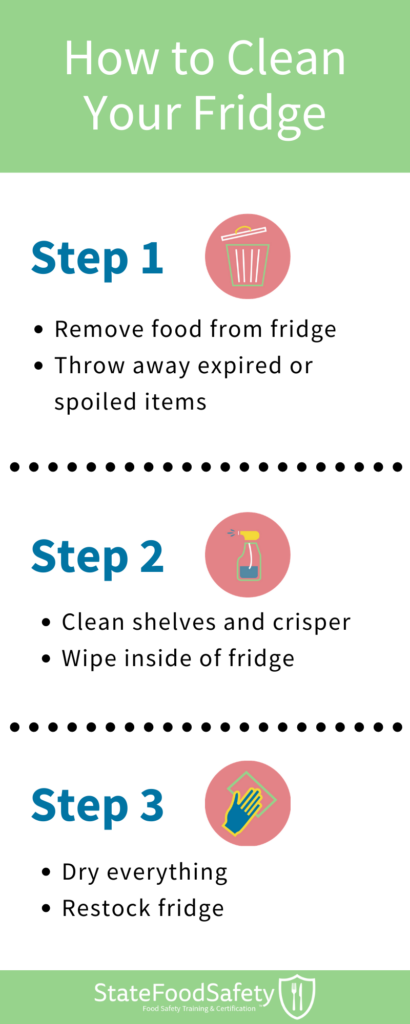
To clean your refrigerator effectively, follow these steps:
- Empty and Organize the Fridge
- Remove all contents from the fridge, including perishable items like meat, dairy products, and eggs.
- Discard expired or spoiled food to prevent cross-contamination.
- Wipe down shelves and drawers with a microfiber cloth to remove any debris or spills.
- Remove and Clean the Shelves and Drawers
- Take out the shelves and drawers, and wash them with mild dish soap and warm water.
- Dry thoroughly before replacing them. Use a soft-bristled brush to remove any stubborn stains or dust from crevices.
- Clean the Walls and Floor of the Fridge
- Use a gentle cleanser or a mixture of baking soda and water to wipe down the walls and floor.
- Remove any stubborn stains or odors using white vinegar or lemon juice. Avoid using abrasive cleaners, which can damage the fridge’s surface.
- Wipe Down the Exterior
- Clean the exterior with a damp microfiber cloth, paying attention to any areas with visible stains or dirt buildup.
- Use a soft-bristled brush to remove any debris from crevices and corners.
Natural Cleaning Methods
For an eco-friendly cleaning approach, consider using natural ingredients:
- Baking Soda: Mix baking soda with water to create a paste for scrubbing tough stains. Baking soda is also effective at absorbing moisture and neutralizing odors.
- White Vinegar: Use white vinegar as a disinfectant and odor eliminator. White vinegar is a natural antibacterial agent that can help kill bacteria and fungi on contact.
- Lemon Juice: Apply lemon juice to surfaces to remove stubborn stains and leave a fresh scent.
Tips and Tricks
- To reduce odors, place an open container of baking soda or activated charcoal in the fridge. This will absorb moisture and neutralize any lingering smells.
- For tough stains, mix equal parts water and white vinegar in a spray bottle and spray directly onto the stain before wiping clean with a microfiber cloth.
- Regularly cleaning your refrigerator can help prevent the growth of mold and mildew. Consider using a dehumidifier or air purifier to reduce moisture levels in your kitchen.
- To keep your fridge fresh, consider implementing a “first-in, first-out” policy for perishable items. This will ensure that older items are consumed before they expire.
Common Mistakes to Avoid
When cleaning your refrigerator, it’s essential to avoid common mistakes that can lead to ineffective cleaning or even damage to the appliance:
- Don’t use abrasive cleaners: Avoid using harsh chemicals or abrasive cleaners, which can damage the fridge’s surface and compromise its seals.
- Avoid washing shelves in hot water: Hot water can cause metal shelves to warp or corrode. Instead, wash them with mild soap and warm water.
- Don’t forget crevices and corners: Use a soft-bristled brush to remove debris from crevices and corners, where dust and dirt tend to accumulate.
Maintenance Schedules
To keep your refrigerator in top working condition, consider implementing the following maintenance schedules:
- Daily: Wipe down shelves and drawers with a microfiber cloth after cleaning.
- Weekly: Clean the exterior with a damp microfiber cloth and remove any spills or debris from crevices and corners.
- Monthly: Perform a deep clean of the fridge, including the walls, floor, and shelves.
Conclusion
Cleaning your refrigerator is an essential part of maintaining a healthy kitchen environment. By following these steps, using natural cleaning methods, and incorporating regular maintenance into your routine, you’ll be able to keep your fridge clean, hygienic, and in top working condition. Remember to avoid common mistakes and stay on top of maintenance schedules to ensure a long-lasting and efficient appliance.
Additional Tips for Specific Refrigerator Models
If you have a specific refrigerator model, consider the following additional tips:
- For French Door Fridges: Regularly clean the seals and gaskets to prevent moisture buildup and ensure proper sealing.
- For Top-Freezer Fridges: Clean the condenser coils regularly to maintain efficiency and reduce energy consumption.
- For Built-in Fridges: Wipe down the exterior with a damp microfiber cloth after cleaning, paying attention to any areas with visible stains or dirt buildup.
By following these tips and tricks, you’ll be able to keep your refrigerator clean, efficient, and in top working condition. Happy cleaning!


