
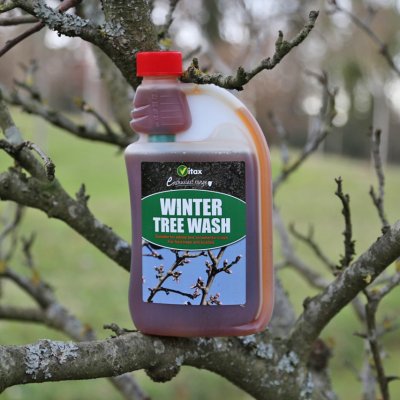
As the seasons change, our fruit trees undergo a transformation from a bare and skeletal structure to a lush canopy adorned with vibrant leaves and eventually, fruits. However, this transformation is not just a cosmetic change; it also presents an opportunity for us to take care of our trees by performing a crucial winter maintenance task: cleaning them.
Preparation is Key
Before we dive into the nitty-gritty of cleaning our fruit trees, it’s essential to understand that this process serves as a preventative measure against pests and diseases that will wreak havoc on our trees come spring. To execute this operation successfully, we’ll need two primary tools: a pump sprayer and a brush. The latter should be sturdy, preferably made of metal, as it will help us scrape off the older bark, remove any eggs of parasites that have taken residence in the tree’s crevices, and ultimately prevent damage to our trees.
Choosing the Right Techniques
There are various approaches to cleaning fruit trees, ranging from a quick, superficial scrubbing to a more meticulous, multi-day process. While it’s tempting to take a shortcut, it’s crucial to strike a balance between thoroughness and efficiency. The goal is to remove those pesky fungi and lichens that can harm our trees while minimizing the risk of causing unnecessary stress.
The Enemy Within
Our fruit trees have several adversaries that we must be aware of and address. In addition to fungi, we also need to watch out for weeds like thistles and nettles, which can latch onto the tree’s trunk, spreading diseases and parasites along with them. The fungus chinchona is particularly insidious, as it can cause significant damage by infecting the tree’s bark.
Disinfecting and Protecting
After a thorough cleaning, we need to apply a protective coating to our trees’ trunks. One of the most effective methods is to use a bordelese solution (also known as poltiglia brodolese), which has been used for centuries to protect plants from various diseases. This magical mixture serves as an antifungal agent, preventing fungi from taking hold and can even be used as an anti-seed dispersal agent.
Tips and Tricks
When it comes to using bordelese solution, there are a few tips to keep in mind:
- To prepare the solution, you’ll need to neutralize rameic acid pentahydrate with calcium hydroxide. The ratio of 100 liters of water to 2 kg of solfato di rame is classic, but it’s not set in stone.
- Be mindful of the solution’s pH levels and the size of its particles, as they can impact the effectiveness of the treatment.
- When it comes to using bordelese solution, timing is everything. Applying it during the fall months when leaves start to drop can help prevent pest infestations and diseases.
Natural Alternatives
In addition to bordelese solution, there are other natural remedies we can use to protect our fruit trees:
- The equiseto-based treatment should be applied at the beginning of summer.
- The propoli-based treatment should be applied in March and throughout the summer months.
- Both equiseto and propoli should be used as tinctures, with 200 cc per hectare being a standard dosage.
Bordelese Solution: A Timeless Treatment
The poltiglia brodolese has been around for centuries, making it a tried-and-true method for protecting plants from various diseases. It’s an antifungal agent that acts on the surface of the plant, allowing it to remain effective without entering the plant’s circulatory system.
Using Bordelese Solution on Other Plants
While bordelese solution is most commonly used on fruit trees, its applications extend beyond our orchards:
- It can be used to treat grapes.
- Its antifungal properties make it an excellent choice for protecting other plants from diseases.
Conclusion
Maintaining our fruit trees requires a multi-faceted approach that includes regular cleaning, protective coatings, and natural remedies. By understanding the various techniques and tools at our disposal, we can create a healthy environment for our trees to thrive.
Frequently Asked Questions:
- What is the best time to clean my fruit tree?
- The best time to clean your fruit tree depends on its specific needs. However, it’s recommended that you clean it in late winter or early spring.
- Can I use bordelese solution on other types of plants?
- Yes, bordelese solution can be used to treat grapes and protect other plants from diseases.
- How often should I apply the equiseto-based treatment?
- The equiseto-based treatment should be applied at the beginning of summer.
- What is the recommended dosage for propoli-based treatment?
- The propoli-based treatment should be applied in March and throughout the summer months, with a standard dosage of 200 cc per hectare.
- Can I use bordelese solution on weeds like thistles and nettles?
- No, it’s not recommended to use bordelese solution on weeds like thistles and nettles as they can become resistant over time.
Final Thoughts
Cleaning our fruit trees is an essential part of maintaining a healthy garden. By understanding the various techniques and tools at our disposal, we can create a safe haven for our trees to thrive.
Advanced Tips for Fruit Tree Cleaning
In addition to the fundamental cleaning process, there are several advanced techniques that you can use to enhance your fruit tree’s health:
- Monitor soil pH levels: Regularly check your soil pH levels to ensure they remain within the optimal range for your fruit tree. Most fruit trees prefer a slightly acidic to neutral soil pH.
- Inspect for signs of pests and diseases: Keep an eye out for any signs of pests or diseases that may have infested your fruit tree during the winter months. Catching these issues early can prevent them from spreading throughout the tree.
Best Practices for Cleaning Fruit Trees
To maximize the effectiveness of your cleaning routine, follow these best practices:
- Remove dead and diseased branches: Remove any dead or diseased branches to prevent them from infecting other parts of the tree.
- Use a gentle scrubbing motion: Avoid using harsh chemicals or abrasive scrubbers that can damage the bark of your fruit tree. Instead, use a gentle scrubbing motion to remove any dirt or debris.
- Clean all surfaces: Make sure to clean all surfaces of the tree, including the trunk, branches, and roots.
Preventing Pests and Diseases
In addition to cleaning our fruit trees, there are several other steps we can take to prevent pests and diseases from taking hold:
- Inspect for signs of pests and diseases: Regularly inspect your fruit tree for any signs of pests or diseases that may have infested the tree during the winter months.
- Use natural deterrents: Use natural deterrents such as neem oil, garlic, and chili peppers to repel pests without harming beneficial insects.
- Keep your tree healthy: Keep your fruit tree healthy by providing it with adequate nutrients, water, and sunlight.
Conclusion
Maintaining our fruit trees requires a multi-faceted approach that includes regular cleaning, protective coatings, natural remedies, and preventative measures. By understanding the various techniques and tools at our disposal, we can create a safe haven for our trees to thrive.


