
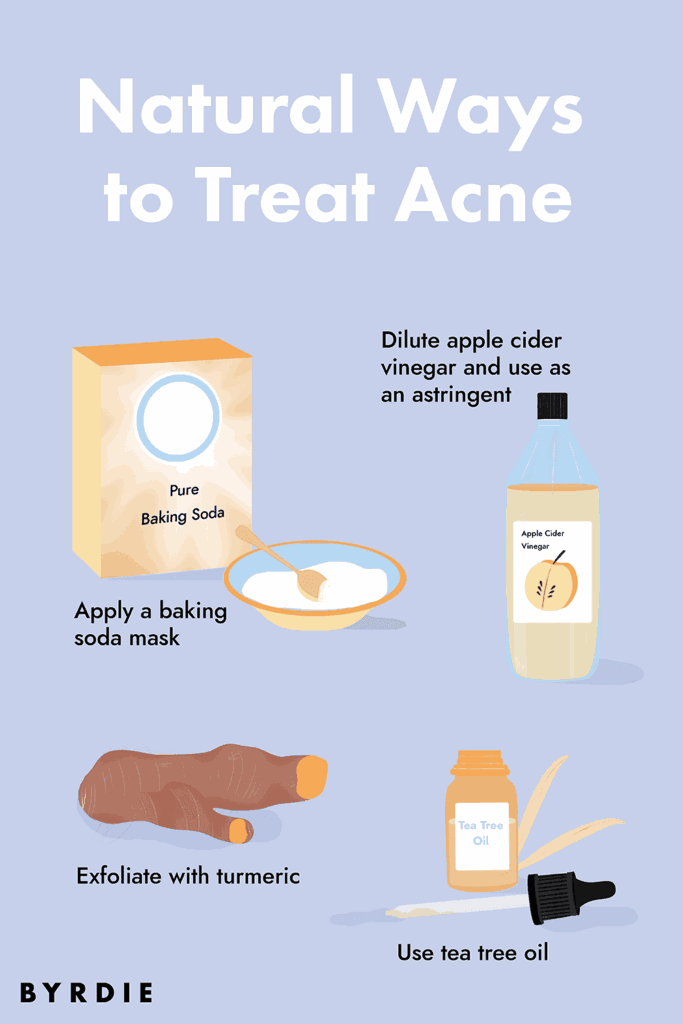
Acne is a common problem that affects many young people, causing social isolation and low self-esteem. While there are effective pharmaceutical products available, they can be harsh on the skin and have numerous side effects. In this article, we’ll explore natural remedies for acne that are not only effective but also gentle on the skin.
Understanding Acne
Acne is a skin condition characterized by the presence of pimples, blackheads, and whiteheads. It occurs when the pores on the skin become clogged with dead skin cells, oil, and bacteria, leading to inflammation and infection. While acne can be painful and embarrassing, it’s not a sign of poor hygiene or lack of cleanliness.
Natural Remedies for Acne
In this section, we’ll explore some natural remedies that have been proven to help cure acne:
1. Aloe Vera Gel
Aloe vera gel has antiseptic properties that can help treat acne by reducing inflammation and promoting skin regeneration. The saponins and terpenoid glycosides present in aloe vera gel help to combat bacteria and other microorganisms that contribute to acne.
To apply, simply spread the gel directly on the affected areas. You can also mix it with other natural remedies like tea tree oil or chamomile tea for enhanced benefits.
2. Chamomile Tea
Chamomile tea is a natural remedy that has been used for centuries to treat various skin conditions, including acne. The herb helps to regulate hormonal levels in women and reduce inflammation. Drinking 1-2 cups of chamomile tea per day can help alleviate acne symptoms.
Other herbs like sage and red clover also have similar effects and can be used as an alternative.
3. Lemon Juice or Vinegar
The acidity present in lemon juice and vinegar helps to counteract acne by killing bacteria and reducing inflammation. To apply, simply pass a cotton ball with lemon juice or fresh-squeezed lemon juice over the pimples.
However, it’s essential to note that using lemon juice or vinegar too frequently can dry out the skin, making it more prone to irritation.
4. Tea Tree Essential Oil
Tea tree oil is an essential oil extracted from the tea tree plant and has great antiseptic properties. It helps to combat bacteria and reduce inflammation, making it an effective natural remedy for acne.
To apply, dilute the essential oil with a carrier oil like coconut or jojoba oil and then apply it to the treated area.
5. Yogurt
Yogurt is a rich source of lactic acid that can help clean and nourish the skin, reducing inflammation and promoting regeneration. To apply, simply spread white yogurt with probiotics on the affected area after taking a camomile steam bath to open up pores.
Lifestyle Adjustments for Acne-Free Skin
In addition to natural remedies, making lifestyle adjustments can also help eliminate toxins that contribute to acne. Dr. Walden’s method proposes a series of lifestyle changes that can help cure acne definitively without using medications.
Some key lifestyle adjustments include:
- Eating a balanced diet rich in fruits, vegetables, and whole grains
- Staying hydrated by drinking plenty of water
- Exercising regularly to reduce stress and promote blood flow
- Getting enough sleep to allow the skin to regenerate
Dietary Changes for Acne-Free Skin
A healthy diet plays a crucial role in maintaining acne-free skin. Here are some dietary changes you can make:
1. Increase Omega-3 Fatty Acids
Omega-3 fatty acids have anti-inflammatory properties that can help reduce inflammation and promote skin health. You can find omega-3 fatty acids in fish oil supplements, flaxseeds, and walnuts.
2. Eat Foods Rich in Antioxidants
Antioxidant-rich foods like berries, leafy greens, and other fruits and vegetables can help combat free radicals that contribute to acne.
3. Stay Hydrated with Water
Drinking plenty of water helps flush out toxins from the body and keeps the skin hydrated. Aim for at least eight glasses of water per day.
4. Limit Processed Foods
Processed foods are high in sugar, salt, and unhealthy fats that can contribute to acne. Opt for whole grains, fruits, vegetables, and lean proteins instead.
5. Include Probiotic-Rich Foods in Your Diet
Probiotics help regulate the gut microbiome, which is essential for maintaining healthy skin. Include probiotic-rich foods like yogurt, kefir, and fermented vegetables in your diet.
Supplements for Acne-Free Skin
While a balanced diet can provide all the necessary nutrients, some supplements can help boost the effectiveness of natural remedies. Here are some supplements that can be beneficial:
1. Probiotics
Probiotics can help regulate the gut microbiome, which is essential for maintaining healthy skin. Look for probiotic supplements with strains like Lactobacillus acidophilus and Bifidobacterium bifidum.
2. Vitamin D
Vitamin D deficiency has been linked to acne. Taking vitamin D supplements can help boost immune function and reduce inflammation.
3. Omega-3 Fatty Acids
Omega-3 fatty acids have anti-inflammatory properties that can help reduce inflammation and promote skin health. Look for fish oil supplements with EPA and DHA.
Conclusion
Acne is a common problem that affects many young people, but it doesn’t have to be a permanent condition. By incorporating natural remedies like aloe vera gel, chamomile tea, lemon juice or vinegar, tea tree essential oil, and yogurt into your skincare routine, you can help reduce acne symptoms and promote healthy skin.
Remember, a combination of lifestyle adjustments and natural remedies is key to achieving acne-free skin. Consult with a healthcare professional before trying any new treatments, especially if you have sensitive skin or allergies.
FAQs
Q: How long does it take for natural remedies to work?
A: Natural remedies can start working within 1-3 weeks of consistent application, depending on the individual and the severity of acne.
Q: Can I use natural remedies along with pharmaceutical products?
A: Yes, but it’s essential to consult with a healthcare professional before combining natural remedies with medications.
Q: Are natural remedies suitable for all skin types?
A: While many natural remedies are gentle on the skin, some may not be suitable for sensitive skin or allergies. Always patch test new remedies before applying them widely.
Q: Can I use natural remedies to treat acne scars?
A: Some natural remedies like aloe vera gel and tea tree oil can help reduce inflammation and promote skin regeneration, which can lead to improved skin texture and reduced appearance of acne scars.
Q: How do I know if my acne is severe or chronic?
A: If you experience persistent or severe acne that doesn’t respond to treatment, consult with a healthcare professional for proper diagnosis and treatment.
Q: Can I use natural remedies to treat acne on the face, body, or scalp?
A: Yes, many natural remedies can be used to treat acne on different parts of the body. However, always follow specific application instructions and patch test new remedies before using them widely.
Q: Are natural remedies more expensive than pharmaceutical products?
A: The cost of natural remedies can vary depending on the individual and their skincare routine. While some natural remedies may be more expensive than pharmaceutical products, they can also offer long-term benefits and improved skin health.
Q: How do I store and handle natural remedies?
A: Always follow proper storage and handling instructions for natural remedies to ensure their effectiveness and safety.



