
As someone who’s familiar with classical yoga, it can be challenging to imagine dynamic yoga. However, it does exist and is not the result of some eccentric inventor or marketing gimmick. In fact, it has its own name and set of “rules,” along with numerous benefits for those who practice it.
For a long time, and not just today in this fast-paced world, yoga practitioners have struggled to maintain static poses. It’s often not just a matter of being in a hurry; the body and mind can be rebellious, especially for beginners. Dynamic yoga aims to address these issues and make the discipline more engaging.
What is Dynamic Yoga?
Dynamic yoga is a style that involves flowing from one pose to another in sync with your breath. This style is often referred to as “vinyasa” yoga. The term is derived from the Sanskrit word for “breath-synchronized movement.” In this style, the body and mind move through a series of poses without stopping or holding on for too long. Instead, they flow effortlessly into each other, guided by the breath.
Benefits of Dynamic Yoga
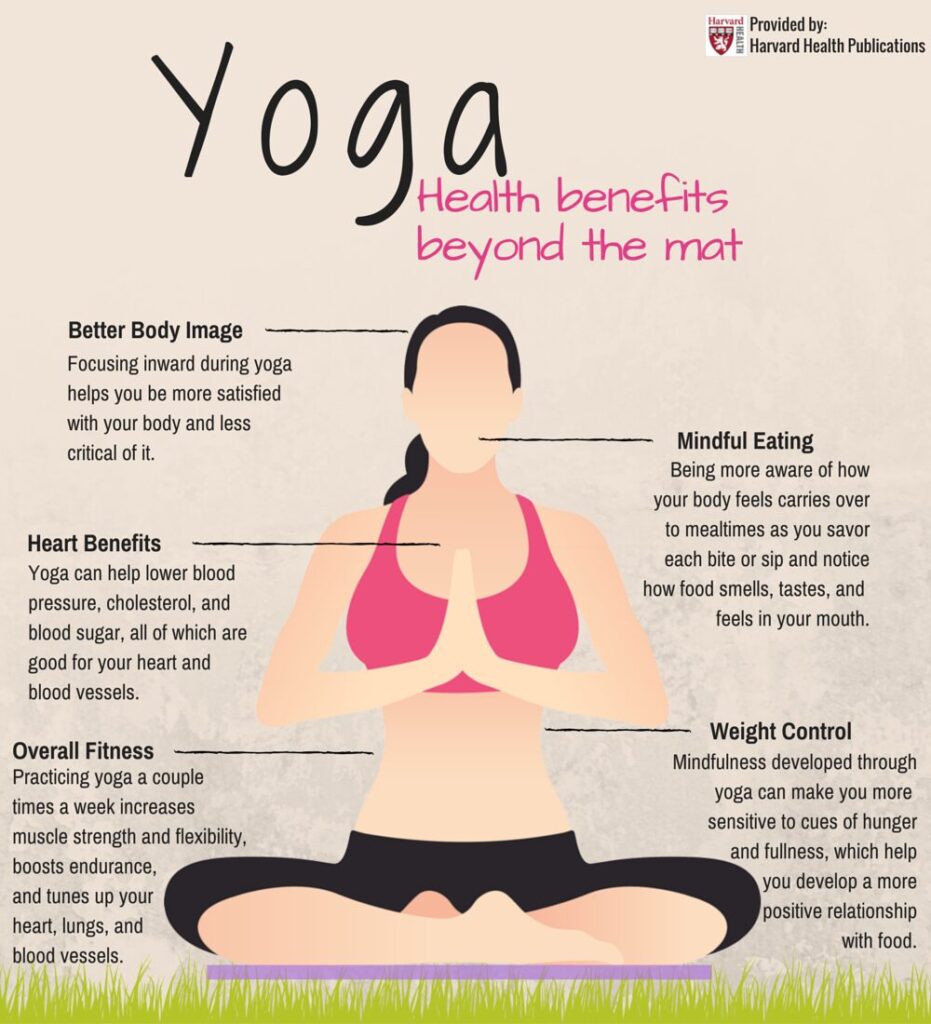
Dynamic yoga has several benefits that make it an attractive option for those looking to improve their overall well-being. Some of these benefits include:
- Improved cardiovascular health
- Increased muscle strength and endurance
- Enhanced flexibility and mobility
- Stress relief and mental clarity
However, dynamic yoga is not suitable for everyone, especially beginners. It requires a certain level of physical fitness and mental preparedness to execute the movements effectively.
Choosing the Right Mat
When it comes to practicing dynamic yoga, having the right mat can make all the difference. There are various types of mats available in the market, each with its own unique features. Some popular options include:
- The Amazon Basics Yoga Mat: This affordable and durable option is a great choice for beginners. It’s made from high-quality TPE material that provides excellent grip and cushioning.
- The Anti-Slip Yoga Mat: This mat features a textured surface that helps prevent slipping and sliding during practice.
Exercises for Dynamic Yoga
To get started with dynamic yoga, it’s essential to learn some basic exercises. Here are a few examples:
- Sun Salutations: This classic pose involves flowing through a series of movements, including standing forward bends, planks, and seated twists.
- Warrior Poses: These strong and powerful poses help build strength and balance in the legs and hips.
- Tree Pose: This balancing pose helps improve focus and concentration while also strengthening the ankles and calves.
Advanced Exercises for Dynamic Yoga
Once you’ve mastered the basics, it’s time to take your practice to the next level with these advanced exercises:
- Headstands: Inverted poses like headstands can help challenge the mind and body.
- Shoulder Stand: This inverted pose targets the upper body muscles.
- Knees to Chest Pose: This pose stretches and strengthens the lower back.
Breathing Techniques for Dynamic Yoga
Proper breathing techniques are essential for dynamic yoga. Here are a few tips:
- Ujjayi Breath: Also known as the “ocean breath,” this slow, steady breath helps calm the mind.
- Alternate Nostril Breathing: This breathing technique can help balance the left and right hemispheres of the brain.
Modifying Dynamic Yoga for Beginners
Dynamic yoga is not suitable for everyone, especially beginners. Here are a few tips to get started:
- Start slow: Begin with simple poses and gradually build up to more complex ones.
- Listen to your body: If you feel pain or discomfort, stop immediately and modify the pose.
Conclusion
Dynamic yoga is a unique and rewarding practice that offers numerous benefits for both body and mind. By understanding its principles and incorporating it into your routine, you can experience improved physical fitness, mental clarity, and overall well-being. Whether you’re a seasoned practitioner or just starting out, dynamic yoga has something to offer everyone.
Frequently Asked Questions (FAQs)
- What is the best way to learn dynamic yoga?
- Take classes with an experienced instructor who can guide you through the movements and help you build confidence.
- Can I do dynamic yoga at home?
- Yes, you can practice dynamic yoga at home with the right equipment and guidance.
- Is dynamic yoga suitable for beginners?
- While dynamic yoga is not recommended for complete beginners, it’s still possible to learn some basic exercises and poses with proper instruction and supervision.
- How often should I practice dynamic yoga?
- Aim to practice dynamic yoga at least 2-3 times per week, with at least one day of rest in between.
- Can I modify the movements in dynamic yoga if I’m not flexible?
- Yes, you can always modify the movements to accommodate your flexibility level and focus on building strength and endurance instead.
- Is dynamic yoga a good workout for weight loss?
- While dynamic yoga can help burn calories and improve cardiovascular health, it’s unlikely to lead to significant weight loss without additional exercise and diet changes.
- Can I practice dynamic yoga with injuries or chronic conditions?
- Consult with your doctor before starting any new exercise program, especially if you have pre-existing medical conditions or injuries. Modify the movements and poses according to your needs and limitations.
By understanding these FAQs and incorporating dynamic yoga into your routine, you can experience a more balanced, flexible, and energized lifestyle that promotes overall well-being and happiness.


