
Introduction
The agriculture sector has a profound impact on the environment, and its effects can be both beneficial and detrimental. The question of how much harm or benefit the agriculture industry produces is an important one. In this article, we will explore the various ways in which agriculture affects the environment and discuss the potential for sustainable practices to mitigate its negative impacts.
The Double-Edged Sword of Agriculture
Agriculture requires significant amounts of water and large quantities of pesticides and fertilizers, leading to high levels of greenhouse gas emissions. However, it also plays a crucial role in maintaining the balance of ecosystems and providing food for billions of people around the world.
One of the most critical aspects of agriculture is its relationship with biodiversity. Farming practices can have both positive and negative impacts on local ecosystems, depending on how they are implemented. For example, some farming methods can help maintain soil quality and support beneficial insects, while others can lead to habitat destruction and loss of genetic diversity.
Why Sustainable Agriculture Matters
Sustainable agriculture practices can help reduce greenhouse gas emissions, alleviate climate change, and ensure global food security. By adopting more sustainable methods, farmers can minimize their environmental footprint while still producing high-quality crops.
There are many reasons why sustainable agriculture matters. For one, it helps to protect the environment by reducing pollution, conserving water, and preserving biodiversity. Additionally, sustainable agriculture practices promote social justice by providing fair wages and better working conditions for farmworkers.
The Science Behind Agricultural Emissions
According to a study published in Environmental Research Letters, agricultural activities are responsible for around one-third of all human-induced greenhouse gas emissions. This may seem surprising, but it’s essential to consider the various factors that contribute to these emissions.
One of the primary drivers of agricultural emissions is the use of synthetic fertilizers and pesticides. These chemicals can lead to soil degradation, water pollution, and loss of beneficial insects. Furthermore, intensive farming practices can result in increased energy consumption and transportation emissions from farms to consumers.
Comparing Fossil Fuels and Agriculture
When comparing the two, it becomes clear that fossil fuels are the primary cause of greenhouse gas emissions, accounting for around 65% of total emissions. In contrast, agricultural activities account for around 20%. However, this doesn’t mean that agriculture is completely harmless.
Agricultural activities contribute to greenhouse gas emissions through various pathways, including:
- Methane production from livestock digestion and manure management
- Nitrous oxide emissions from synthetic fertilizers and soil degradation
- Carbon dioxide emissions from plowing and tilling soils
Growing Demand for Sustainable Practices
As concern about climate change continues to grow, so does demand for sustainable practices in the agriculture sector. Farmers and policymakers are recognizing the importance of adopting environmentally friendly methods to minimize their impact on the planet.
The use of precision agriculture techniques can help reduce waste and emissions by optimizing crop yields and minimizing pesticide application. Additionally, integrating organic farming methods into conventional systems can improve soil health and biodiversity.
Agricultural Emissions: A Global Perspective
The study’s findings highlight the need for a more comprehensive approach to addressing agricultural emissions. By examining data from around the world, researchers can better understand the sources of these emissions and develop targeted solutions.
Regional variations in agricultural emissions are significant, with some countries producing much higher levels than others. For example, a study published in Environmental Research Letters found that Brazil’s soybean production is responsible for around 10% of the country’s total greenhouse gas emissions.
A Bank of Data to Inform Decision-Making
The development of a global database on agricultural emissions provides policymakers with the data they need to make informed decisions about sustainable agriculture practices. By analyzing this data, researchers can identify areas where improvement is needed and develop targeted strategies for reducing emissions.
This data-driven approach to policy-making has already led to significant changes in agricultural practices worldwide. For instance, some countries have implemented policies aimed at reducing synthetic fertilizer use or promoting agroforestry systems.
Case Studies: Successful Sustainable Agriculture Initiatives
There are many examples of successful sustainable agriculture initiatives around the world. These projects demonstrate that it is possible to maintain food security while protecting the environment.
- Agroecology in Kenya: A study published in the journal Agricultural Systems found that agroecological farming practices led to significant reductions in greenhouse gas emissions and improved crop yields.
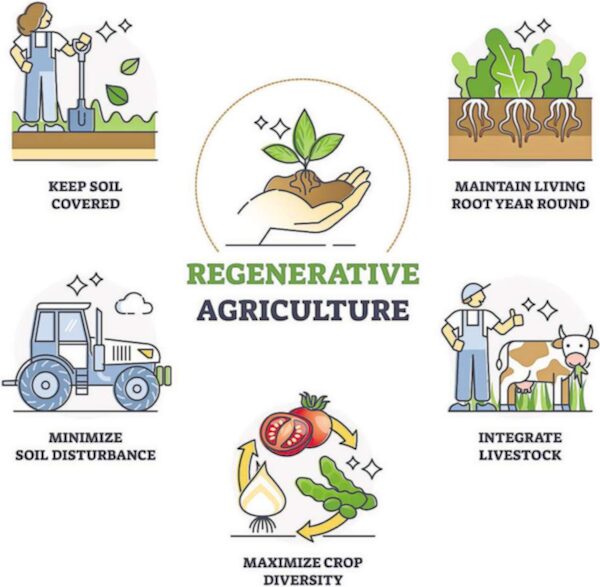
- Regenerative Agriculture in the United States: Regenerative agriculture initiatives have gained traction in recent years, with farmers adopting practices like no-till or reduced-till farming, cover cropping, and integrating livestock grazing into their operations.
Challenges and Opportunities
Despite the many successes of sustainable agriculture, there are still significant challenges to overcome. One major hurdle is scaling up these practices to meet global demand for food.
Another challenge is addressing the economic barriers that prevent some farmers from adopting sustainable methods. This can include high upfront costs or limited access to markets for sustainably produced crops.
However, opportunities abound for innovation and collaboration in the field of sustainable agriculture. By working together with policymakers, researchers, and industry stakeholders, we can create a more environmentally friendly food system.
Conclusion
In conclusion, the agriculture sector plays a complex role in the environment. While it provides food for billions of people around the world, it also contributes to greenhouse gas emissions. However, by adopting sustainable practices, farmers and policymakers can help mitigate these negative impacts and ensure a more environmentally friendly future.
Frequently Asked Questions
Q: What percentage of greenhouse gas emissions does agriculture account for?
A: Around one-third (around 20%) of total human-induced greenhouse gas emissions are attributed to agricultural activities.
Q: Which countries have the highest levels of agricultural emissions?
A: Countries such as Brazil, China, and India have high levels of agricultural emissions due to large-scale soybean production and other crops.
Q: Can agriculture be sustainable?
A: Yes, with the adoption of environmentally friendly practices, agriculture can play a vital role in reducing greenhouse gas emissions and mitigating climate change.
Q: What is being done to address agricultural emissions?
A: Researchers are working to develop more comprehensive approaches to addressing agricultural emissions, including the development of global databases on agricultural activities.
Q: How can individuals contribute to reducing agricultural emissions?
A: Individuals can support sustainable agriculture practices by choosing products that are certified as sustainably sourced and advocating for policies that promote environmentally friendly farming methods.


