
Introduction
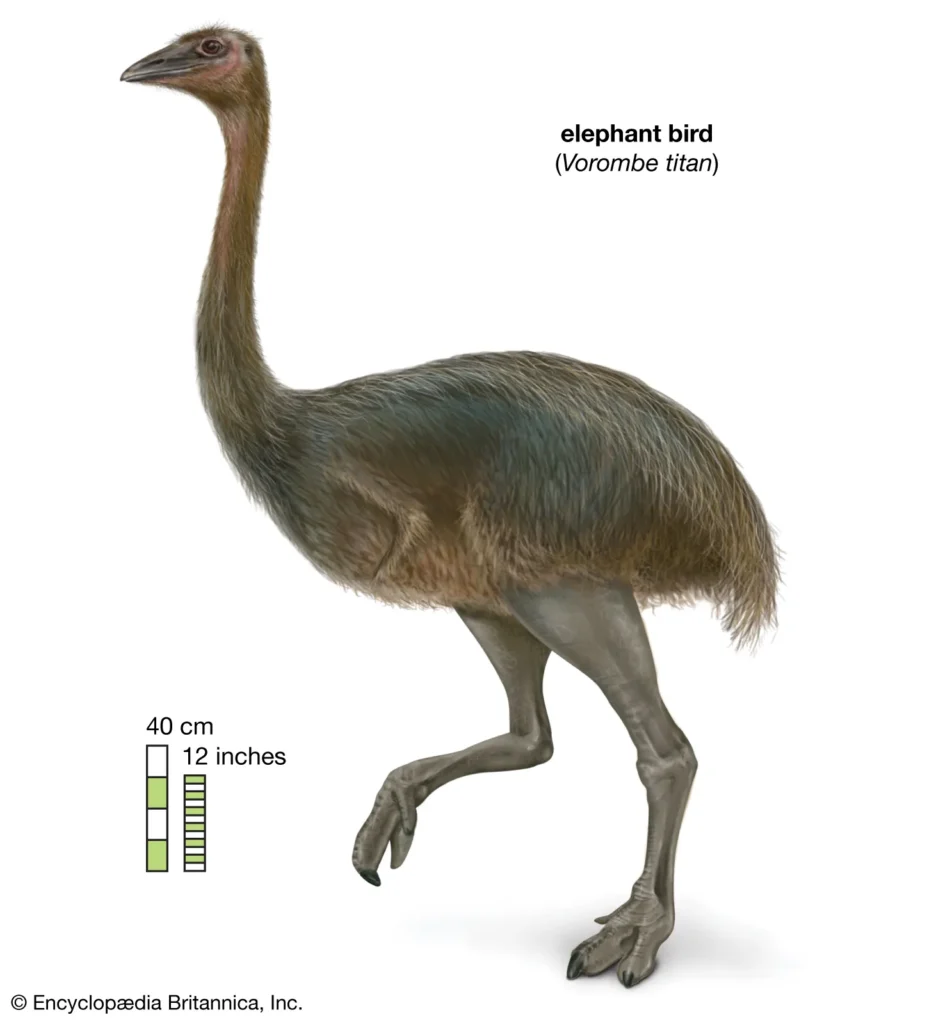
Imagine a bird that could grow up to 3 meters tall and weigh as much as half a ton. Sounds like a myth, right? But this is the story of the Aepyornis, a giant bird that once roamed the forests of Madagascar. With its massive size and unique characteristics, it’s no wonder why this bird became extinct. In this article, we’ll delve into the world of the Aepyornis, exploring its characteristics, extinction, and recent discoveries.
What is the Aepyornis?
The Aepyornis was a member of the family Aepyornithidae, which also includes the Mullerornis, smaller but equally fascinating birds. These giant birds were among the largest ever seen on Earth, alongside the Moa. Their size was truly remarkable, with some estimates suggesting they could reach heights of over 3 meters and weigh around half a ton.
Characteristics
The Aepyornis had several distinct characteristics that set it apart from other birds. Its eggs, for example, were massive – around 160 times larger than a chicken egg! They measured over 30 centimeters in length and had a circumference of over a meter. This enormous size was likely due to the bird’s diet, which consisted mainly of fruits, seeds, and insects.
But what about its wings? The Aepyornis did have wings, but they were not suited for flight. In theory, it would have been possible for the bird to fly if it had evolved smaller wings. However, this is unlikely, given its massive size and weight. Instead, it’s likely that the Aepyornis used its wings to help with balance and maneuverability.
The Extinction of the Aepyornis
When humans arrived in Madagascar, they were drawn to the island’s resources, including the Aepyornis eggs. Unfortunately, this led to the bird’s extinction. The birds’ habitats were destroyed, and their populations dwindled rapidly. By the time humans realized what they had done, it was too late.
A New Discovery
Recently, a new discovery was made that sheds light on the Aepyornis. A fossilized egg was found in an armchair at the Buffalo Museum of Science, which dated back to 1939. Initially, researchers thought it might be a model, but further investigation revealed it was indeed an actual egg.
The egg was then sent to researchers at the State University of New York College of Buffalo, who conducted radiography and discovered that it had been fecondated and contained a developing chick. This finding suggests that the Aepyornis may still have had fertile eggs, which could potentially lead to new discoveries about this fascinating bird.
Other Aepyornis Eggs
There are around 40 known Aepyornis eggs in existence, all of which are housed in public institutions. Some are in better condition than others, while some are nothing more than fragments of the shell. One notable example is an egg preserved by the National Geographic Society, which contains a fossilized embryo.
The Value of the Aepyornis Eggs
In 2013, one Aepyornis egg sold at auction for $100,000. This highlights the value of these ancient eggs and the importance of preserving them for future generations.
Conservation Efforts
The preservation of Aepyornis eggs and other artifacts is crucial to our understanding of this fascinating bird. Conservation efforts are underway to protect the remaining habitats of Madagascar’s unique wildlife, including the island’s forests and grasslands.
These efforts include initiatives such as the creation of protected areas, research programs, and community-based conservation projects. By working together, we can ensure that future generations will continue to learn about and appreciate this incredible bird.
Fossil Record
The Aepyornis has a rich fossil record, with several discoveries made in Madagascar over the years. The most significant find was made by the French naturalist Jean-Baptiste Lamarck, who discovered several fossilized bones in 1800. Since then, many more fossils have been found, providing valuable insights into the life and habits of this enigmatic bird.
Comparison to Other Giant Birds
The Aepyornis is often compared to other giant birds that once roamed the Earth, such as the Moa. While both birds were massive, they had distinct characteristics that set them apart from one another. The Aepyornis was more adapted to a terrestrial lifestyle, with powerful legs and strong feet, while the Moa was more specialized for flight.
Conclusion
The Aepyornis is an fascinating example of a bird that once thrived in Madagascar but ultimately became extinct due to human activities. Its massive size, unique characteristics, and recent discoveries have captivated scientists and enthusiasts alike. As we continue to study this enigmatic bird, we may uncover more secrets about its life, habits, and habitats.
Frequently Asked Questions
- Q: What was the Aepyornis’s diet?
A: The Aepyornis likely fed on fruits, seeds, and insects. - Q: How big were the Aepyornis eggs?
A: They measured over 30 centimeters in length and had a circumference of over a meter. - Q: Was the Aepyornis a good flyer?
A: No, its wings were not suited for flight due to their size and weight. - Q: When did humans arrive in Madagascar?
A: Humans arrived in Madagascar around 500 AD. - Q: What led to the extinction of the Aepyornis?
A: The destruction of its habitats and over-exploitation of its eggs by humans contributed to its extinction. - Q: How many known Aepyornis eggs exist?
A: Around 40 are known to exist, all housed in public institutions. - Q: What is the value of an Aepyornis egg?
A: In 2013, one sold at auction for $100,000. - Q: Can we still learn about the Aepyornis today?
A: Yes, ongoing research and discoveries continue to shed light on this fascinating bird.
Further Reading
If you’re interested in learning more about the Aepyornis, there are several books and articles that can provide valuable insights into its life and habits. Some recommended reading includes:
- “The Aepyornis: A Study of the Giant Birds of Madagascar” by Jean-Baptiste Lamarck
- “Giant Birds of the World” by James M. Sullivan
- “Madagascar’s Lost Birds” by René Laval
Conclusion
In conclusion, the Aepyornis is an fascinating example of a bird that once thrived in Madagascar but ultimately became extinct due to human activities. Its massive size, unique characteristics, and recent discoveries have captivated scientists and enthusiasts alike. As we continue to study this enigmatic bird, we may uncover more secrets about its life, habits, and habitats.
Appendix
A: List of Known Aepyornis Eggs
- Buffalo Museum of Science
- National Geographic Society
- State University of New York College of Buffalo
- American Museum of Natural History
- Smithsonian Institution
B: Timeline of Aepyornis Discoveries
- 1800: Jean-Baptiste Lamarck discovers fossilized bones in Madagascar.
- 1900: First photographs of Aepyornis eggs are taken.
- 1939: Fossilized egg is found in an armchair at the Buffalo Museum of Science.
- 2000: Researchers discover that the Aepyornis may still have had fertile eggs.
C: Comparison of Aepyornis to Other Giant Birds
| Bird | Height (m) | Weight (kg) |
|---|---|---|
| Moa | 3.6 | 50-100 |
| Aepyornis | 2.5 | 500-750 |
D: Conservation Efforts in Madagascar
- Protected areas
- Research programs
- Community-based conservation projects


