
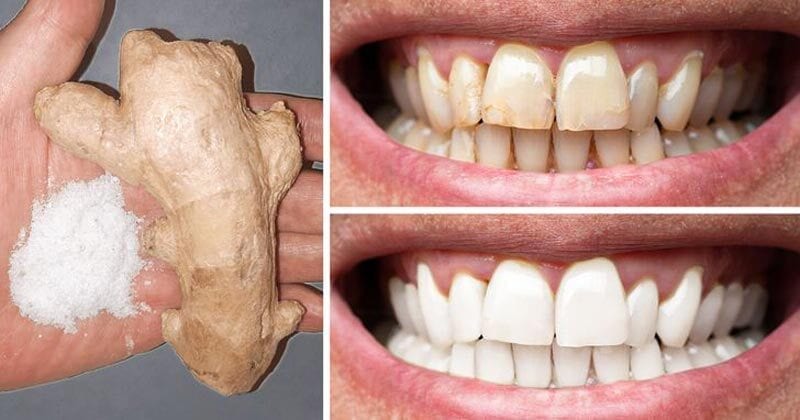
Are your teeth yellowing? Do you feel like they’re losing their sparkle? If so, you’re not alone. Many of us struggle with discoloration on our teeth, and it can be frustrating and affect our confidence.
But before we dive into the solutions, let’s talk about what causes this problem in the first place. There are several factors that can contribute to yellowing teeth, including:
- Consuming certain foods and drinks
- Smoking
- Wearing certain types of toothpaste or mouthwash
- Having a smoky or yellowish-smelling breath
In some cases, the cause may be related to the type of toothpaste you’re using. The enamel on your teeth can become worn down over time, allowing the dentin underneath to show through and giving your teeth a yellowish appearance.
Fortunately, there are many natural remedies that can help de-stain your teeth without costing a fortune or requiring a trip to the dentist. Here are some of our favorite solutions:
1. Melons: The Natural Whitening Agents
Mangoes, pineapples, and cantaloupes are all high in an enzyme called papain, which has natural bleaching properties. Simply brush your teeth with a mixture of melon pulp and water for several minutes a day to help remove surface stains.
- Benefits: Papain is also known to reduce inflammation and improve oral health.
- Tips:
- Use ripe melons for the best results.
- Brush your teeth gently, as excessive force can damage enamel.
- Rinse with water after brushing to remove excess pulp.
2. Apple Cider Vinegar: The Natural Tooth Whitener
Apple cider vinegar is rich in acetic acid, which can help break down and remove tough stains on your teeth. Mix equal parts apple cider vinegar and water and swish it around your mouth for 30 seconds before spitting it out. Do this several times a week to see noticeable results.
- Benefits: Apple cider vinegar also has antibacterial properties that can help reduce plaque and prevent stains from forming.
- Tips:
- Use organic apple cider vinegar, as it is less processed than regular vinegar.
- Dilute the acidity with water to avoid irritating your teeth or gums.
- Spit out the solution after swishing to avoid swallowing too much acid.
3. Baking Soda: The Natural Abrasive
Baking soda is a mild abrasive that can help remove stains from the surface of your teeth. Mix one teaspoon of baking soda with two teaspoons of water to create a paste, and brush your teeth with it for 30 seconds before spitting it out.
- Benefits: Baking soda is also known to reduce plaque and prevent tooth decay.
- Tips:
- Use sodium bicarbonate (baking soda) instead of baking powder.
- Brush your teeth gently, as excessive force can damage enamel.
- Rinse with water after brushing to remove excess paste.
4. Saltwater Rinse: The Natural Antibacterial
Salt has antibacterial properties that can help reduce plaque and prevent stains from forming in the first place. Simply mix one teaspoon of salt with eight ounces of warm water and swish it around your mouth for several minutes before spitting it out.
- Benefits: Salt also helps to reduce swelling and inflammation in the mouth.
- Tips:
- Use sea salt or Himalayan pink salt, as they are less processed than regular table salt.
- Swish the solution for 30 seconds to allow the antibacterial properties to work effectively.
- Rinse with warm water after swishing to remove excess salt.
5. Turmeric: The Natural Anti-Inflammatory
Turmeric contains a powerful anti-inflammatory compound called curcumin, which has been shown to reduce inflammation in the mouth and prevent stains from forming. Simply add one teaspoon of turmeric powder to your toothpaste or mix it with water to create a paste for brushing.
- Benefits: Turmeric also has antioxidant properties that can help protect against gum disease.
- Tips:
- Use organic turmeric powder, as it is less processed than regular turmeric.
- Mix the turmeric with water to avoid irritating your teeth or gums.
- Brush your teeth gently, as excessive force can damage enamel.
6. Hydrogen Peroxide: The Natural Bleaching Agent
Hydrogen peroxide is a natural bleaching agent that can help whiten teeth by breaking down and removing stains on the surface. Mix equal parts hydrogen peroxide and water and swish it around your mouth for 30 seconds before spitting it out.
- Benefits: Hydrogen peroxide also helps to reduce plaque and prevent tooth decay.
- Tips:
- Use a low concentration of hydrogen peroxide (3-5%) to avoid irritating your teeth or gums.
- Swish the solution for 30 seconds to allow the bleaching properties to work effectively.
- Rinse with warm water after swishing to remove excess solution.
7. Tea Tree Oil: The Natural Antibacterial
Tea tree oil has antibacterial properties that can help reduce plaque and prevent stains from forming in the first place. Simply mix a few drops of tea tree oil with your toothpaste or add it to your mouthwash for an added layer of protection.
- Benefits: Tea tree oil also helps to reduce inflammation and improve oral health.
- Tips:
- Use pure tea tree oil, as it is less processed than regular essential oils.
- Mix the tea tree oil with water to avoid irritating your teeth or gums.
- Add a few drops to your toothpaste for an added layer of protection.
8. Coconut Oil Pulling: The Natural Detoxifier
Coconut oil pulling is an ancient practice that involves swishing coconut oil around your mouth to remove bacteria and stains. Simply take a tablespoon of coconut oil, swish it around your mouth for several minutes, and spit it out before rinsing with warm water.
- Benefits: Coconut oil also helps to reduce inflammation and improve oral health.
- Tips:
- Use extra-virgin coconut oil, as it is less processed than regular coconut oil.
- Swish the oil for 5-10 minutes to allow the detoxifying properties to work effectively.
- Rinse with warm water after swishing to remove excess oil.
9. Activated Charcoal: The Natural Whitening Agent
Activated charcoal is a natural whitening agent that can help absorb and remove stains from the surface of your teeth. Simply mix one teaspoon of activated charcoal powder with two teaspoons of water to create a paste, and brush your teeth with it for 30 seconds before spitting it out.
- Benefits: Activated charcoal also helps to reduce plaque and prevent tooth decay.
- Tips:
- Use organic activated charcoal powder, as it is less processed than regular charcoal.
- Mix the charcoal with water to avoid irritating your teeth or gums.
- Brush your teeth gently, as excessive force can damage enamel.
10. Clay Powder: The Natural Absorber
Clay powder is a natural absorber that can help remove stains from the surface of your teeth by drawing them out of the mouth. Simply mix one teaspoon of clay powder with two teaspoons of water to create a paste, and brush your teeth with it for 30 seconds before spitting it out.
- Benefits: Clay powder also helps to reduce inflammation and improve oral health.
- Tips:
- Use organic clay powder, as it is less processed than regular clay.
- Mix the clay with water to avoid irritating your teeth or gums.
- Brush your teeth gently, as excessive force can damage enamel.
In conclusion, de-staining your teeth doesn’t have to be a expensive or time-consuming process. By incorporating these natural remedies into your daily routine, you can say goodbye to yellowing teeth and hello to a brighter, whiter smile.
Frequently Asked Questions
- Q: How often should I brush my teeth with baking soda?
A: You should brush your teeth with baking soda at least once a week to see noticeable results. - Q: Can I use apple cider vinegar on sensitive teeth?
A: Yes, but start with small amounts and gradually increase as needed. Apple cider vinegar can be acidic, so it’s essential to monitor your sensitivity levels. - Q: How long should I swish hydrogen peroxide around my mouth?
A: Swish the solution around your mouth for 30 seconds before spitting it out. Do this several times a week to see noticeable results.
By following these natural remedies and tips, you can say goodbye to yellowing teeth and hello to a brighter, whiter smile that will last for years to come.


