
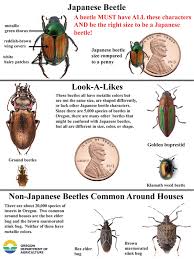
In recent years, a new pest has been discovered in Italy, threatening the country’s agricultural industry. The Japanese beetle, also known as Popillia japonica, is an invasive insect that has been introduced to Europe through human activities. This article aims to provide information on the life cycle, biological control methods, and damage caused by this beetle, as well as guidance on how to identify and manage it.
History of Introduction
The Japanese beetle was first spotted in Italy in 2014, arriving accidentally from Japan via contaminated vehicles. Similar introductions have been made by other pests, such as the Asian tiger mosquito, which has had devastating effects on the local ecosystem. The Japanese beetle’s presence is currently limited to northern Italy, but its spread is likely to occur if left unchecked.
Classification and Identification
The Japanese beetle is a member of the scarab family and is easily recognizable due to its distinctive white markings. It has a bronze-colored body with 12 white hairs on each side of its abdomen, and five smaller patches of white hairs on either side of its thorax. Adult beetles emerge in late May or early June, with larvae present during the winter months.
Damage and Host Plants
The Japanese beetle feeds on over 300 plant species worldwide, including many economic crops such as apples, grapes, and soybeans. In Italy, the most vulnerable plants include oak trees, poplars, and other deciduous trees, as well as grasses, alfalfa, and other legumes.
The beetles’ feeding behavior is characterized by their voracious appetite for plant leaves, stems, and roots. This can lead to significant damage to crops, especially during critical growth stages. In some cases, the beetle’s feeding activity can also cause physical barriers to occur in trees, such as girdling, which can eventually lead to tree death.
Biological Control Methods
To combat the spread of the Japanese beetle, biological control methods are being explored. Traps coated with pheromones can capture adult beetles, reducing their population numbers. This approach has shown promise in combination with other control measures.
One such method involves introducing natural predators or parasites of the Japanese beetle to control its population. For example, certain species of wasps and flies have been identified as potential biological control agents for the beetle. However, these methods require careful consideration and monitoring to ensure they do not harm non-target species or ecosystems.
Another approach is through hand-picking, where beetles are manually collected from affected areas. This method requires significant effort and resources but can be an effective way to reduce beetle populations in small-scale agricultural settings.
Regulatory Measures
Due to the significant economic damage caused by the Japanese beetle, it is considered a harmful organism under European regulations. As such, the Italian government has implemented measures to monitor and control its spread. The public is encouraged to report sightings of the beetle to the relevant authorities.
In addition, the EU’s Animal Health Regulation requires member states to take all necessary measures to prevent the introduction, spread, and establishment of invasive species. This includes monitoring for signs of infestation, conducting surveys, and implementing control measures as necessary.
Conclusion
The Japanese beetle poses a serious threat to Italy’s agricultural industry, with potential damage to crops and trees. Understanding the beetle’s life cycle, habits, and host plants is crucial for effective management and control methods. By working together, we can mitigate the impact of this invasive species and protect our environment.
FAQs
- What are the most vulnerable plant species affected by the Japanese beetle?
- Oak trees, poplars, apples, grapes, soybeans, grasses, alfalfa, and other legumes.
- How can I identify a Japanese beetle?
- Look for its distinctive white markings on its thorax and abdomen, with 12 hairs on each side of the abdomen.
- What are some common hosts for the Japanese beetle larvae?
- Radishes, clover, alfalfa, beans, and other legumes.
- How can I prevent Japanese beetles from reaching my garden?
- Use physical barriers, such as fine-mesh screens or row covers, to keep adult beetles out of your garden.
- Can I use pesticides to control Japanese beetles?
- No, pesticide use is discouraged due to the potential for unintended consequences on non-target species and human health.
- How can I report a Japanese beetle sighting?
- Contact the Italian Ministry of Agriculture or local authorities with information about any sightings.
- What are some effective biological control methods for managing Japanese beetles?
- Traps coated with pheromones, as well as other non-chemical approaches like hand-picking and introducing natural predators.
- Will the Japanese beetle cause significant economic damage to Italy’s agricultural industry?
- Yes, due to its voracious appetite and potential impact on key crops and trees.
Prevention Strategies
To prevent the spread of the Japanese beetle, several strategies can be employed:
- Monitoring: Regular monitoring for signs of infestation is crucial in detecting early stages of beetle activity.
- Sanitation: Keeping agricultural areas clean by removing weeds and debris reduces the likelihood of beetles encountering food sources.
- Quarantine Measures: Implementing quarantine measures when transporting plants or soil from affected areas can help prevent further introduction.
- Education: Educating farmers, gardeners, and the general public about the risks associated with the Japanese beetle is essential for raising awareness.
Long-Term Management
To effectively manage the spread of the Japanese beetle, long-term strategies are necessary:
- Biological Control Programs: Developing biological control programs that introduce natural predators or parasites to regulate beetle populations can be an effective approach.
- Integrated Pest Management (IPM): Implementing IPM practices that combine multiple methods for managing pests and diseases helps reduce the reliance on chemical controls.
- Agricultural Practices: Adopting sustainable agricultural practices such as crop rotation, mulching, and cover cropping can help prevent beetle infestations.
Conclusion
The Japanese beetle poses a significant threat to Italy’s agricultural industry. By understanding its life cycle, habits, and host plants, we can develop effective management strategies that balance environmental concerns with economic viability. Collaboration among stakeholders is crucial for mitigating the impact of this invasive species and protecting our environment.


