
As an astronomer, you’re likely familiar with the terms “apogee” and “perigee.” But have you ever stopped to think about what these words really mean? In this article, we’ll delve into the world of celestial mechanics and explore the concept of perigeo.
What is Perigeo?
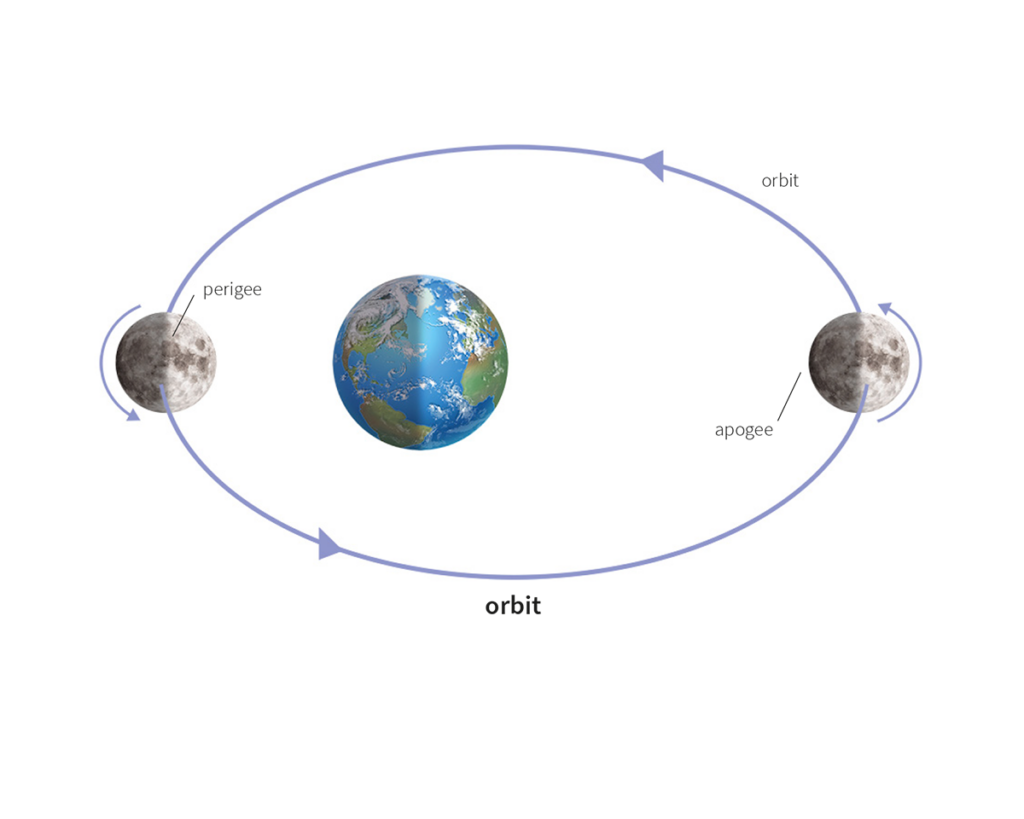
Perigee is a term used by astronomers to describe the point at which an object, such as the Moon or a planet, is closest to Earth. This minimum distance is crucial in understanding the orbits of celestial bodies and their interactions with our planet.
To understand perigee, it’s essential to grasp the concept of orbital mechanics. An object’s orbit can be thought of as a curved path that follows the gravitational force exerted by a celestial body. The shape and size of this orbit determine how close or far an object is from its parent body. In the case of the Moon, its perigee represents the closest point it reaches in its elliptical orbit around Earth.
The Relationship Between Perigee and Apogee
While perigee refers to the closest approach to Earth, apogee represents the farthest distance from our planet. These two concepts are inversely related, with objects moving towards perigee after passing apogee. This dynamic dance between these two points is what makes celestial mechanics so fascinating.
Imagine a satellite in orbit around Earth. As it moves closer to our planet (perigee), its speed increases due to the stronger gravitational pull. Conversely, as it moves away from Earth (apogee), its speed decreases because the gravitational force becomes weaker. This relationship between distance and speed is fundamental to understanding perigee.
The Origins of the Term Perigee
The word “perigee” comes from the Greek word “περίγειος,” meaning “that which stands near or presses upon the earth.” This etymology highlights the importance of Earth’s position in determining the distance between objects in space. The term perigee was first used by ancient Greeks to describe the closest approach of celestial bodies to our planet.
Perigee and Its Implications
Perigee is not just a concept relevant to astronomy; it has broader implications for our understanding of the universe. By studying perigee, scientists can gain insights into the behavior of celestial bodies, their orbits, and their interactions with other planets.
For instance, when an object’s orbit is influenced by its distance from Earth, it can affect the planet’s climate and geological activity. The Moon’s perigee, for example, has been linked to increased tidal activity, which can lead to coastal erosion and altered marine ecosystems.
The Supermoon: A Perigee Phenomenon
One notable example of perigee is the “Supermoon,” a rare lunar event that occurs when the Moon is at its closest point to Earth. This phenomenon can result in increased tidal activity and altered astronomical observations.
A Supermoon typically occurs when the Moon is within 90% of its average distance from Earth, making it appear larger than usual in the sky. However, the exact timing and frequency of Supermoons depend on various celestial alignments and gravitational interactions with other planets.
Perigee: Not Just for the Moon
While the Moon’s perigee receives most attention, other celestial bodies also experience this phenomenon. The orbits of planets, asteroids, and comets are all influenced by their distance from Earth, making perigee a fundamental aspect of their behavior.
For example, Mars’ perigee occurs when it is closest to Earth in its elliptical orbit. This event can affect the planet’s atmospheric pressure, temperature, and geological activity. Similarly, asteroid 16 Psyche orbits the Sun at an average distance of about 3.2 astronomical units (AU), but its perigee brings it closer to our solar system.
The Musical Connection: Azimut
When we think of perigee, it’s easy to get lost in the world of astronomy. However, there’s another interesting connection – music. The term “azimut” is often associated with the Italian music group Perigeo, who released an album called “Azimut” in 1972.
In music theory, azimut refers to the angle between a note or instrument and the direction of sound. This concept can be applied to various musical instruments, such as guitars and violins, which use strings that are angled at specific degrees to produce different pitches.
The connection between perigee and azimut might seem abstract, but it highlights the intricate relationships between celestial mechanics, music, and our perception of space.
Conclusion
In conclusion, perigee is a fascinating concept that reveals the intricate dance between celestial bodies and our planet. By exploring this topic, we can gain a deeper understanding of the universe and its many mysteries.
Perigee reminds us that even in the vastness of space, there are complex relationships between objects and their environment. Whether you’re an astronomer or simply curious about the cosmos, perigee is sure to captivate your imagination and inspire new discoveries.
Frequently Asked Questions
- What is perigee?
Perigee is the point at which an object, such as the Moon or a planet, is closest to Earth. - How does perigee affect celestial bodies?
Perigee affects celestial bodies by altering their orbits and interactions with other planets. - What is apogee?
Apogee is the farthest distance from Earth that an object can reach. - Is perigee just for the Moon?
No, perigee occurs in the orbits of other celestial bodies as well. - Can I witness a Supermoon?
Yes, you can witness a Supermoon, but it’s rare and usually requires specific astronomical conditions. - How does perigee impact tidal activity?
Perigee increases tidal activity due to the Moon’s closer proximity to Earth. - What is the significance of perigee in astronomy?
Perigee helps scientists understand celestial mechanics and the behavior of objects in space. - Can I learn more about Perigeo Music?
Yes, you can explore the music of Perigeo and their album “Azimut” on YouTube or other music platforms.
By exploring perigee, we can unlock a deeper understanding of the universe and its many mysteries. Whether you’re an astronomer or simply curious about the cosmos, this fascinating topic is sure to captivate your imagination.


